Violence struck multiple communities overnight as coordinated gun attacks tore through townships near Johannesburg and Cape Town. At least 27 people lost their lives in two separate incidents, exposing the brutal reality of escalating organized crime and illegal firearm circulation in the region.
People want simple answers when tragedies of this scale occur. Instead, what unfolded across Wedela and Lwandle points to a deeply entrenched crisis involving turf wars, illicit underground economies, and local policing gaps.
The Horror in Wedela
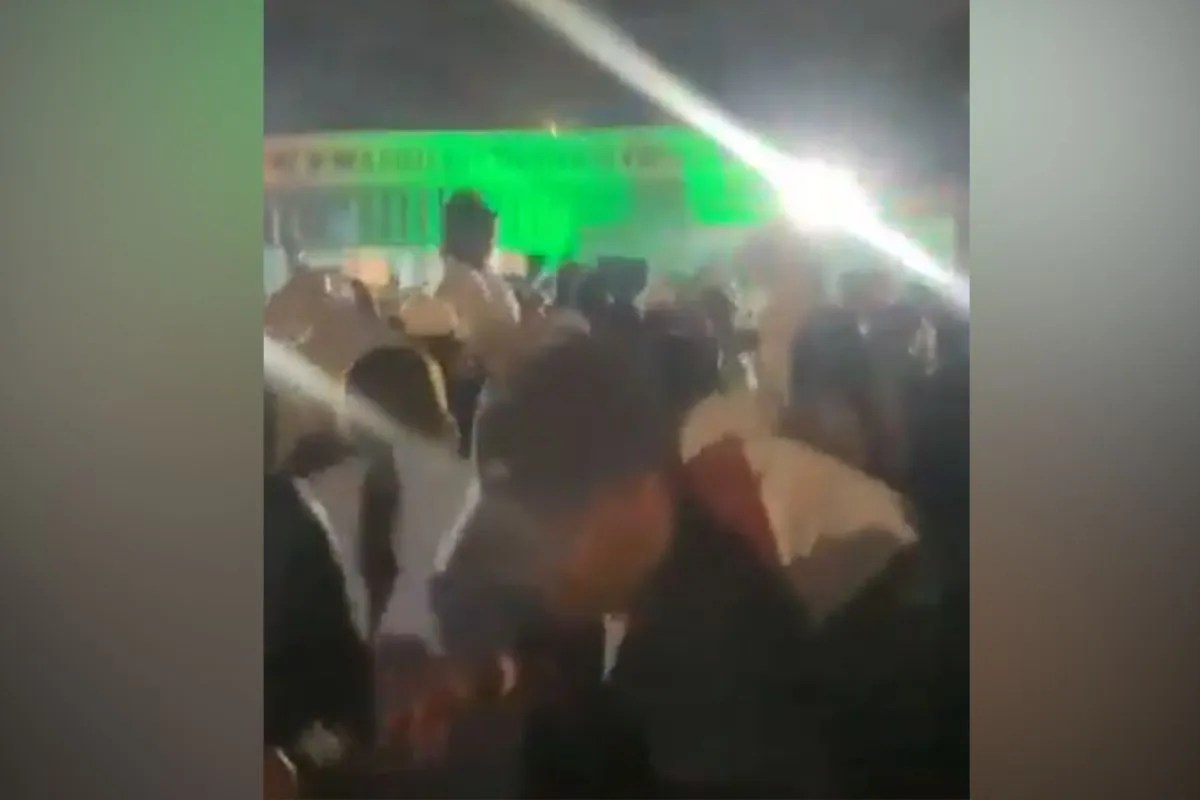
In Wedela, a township southwest of Johannesburg, a quiet Saturday night turned into a war zone. Multiple gunmen armed with assault rifles like AK-47s opened fire on patrons drinking outside a local tavern.
The attackers didn't just shoot from a distance. They pushed inside the venue, systematically targeting people, stealing cellphones, and torching vehicles before fleeing. Seventeen people died at the scene, and another victim succumbed to injuries later, pushing the death toll for this single location to 18. Fifteen others suffered critical wounds. Local authorities noted that illegal mining turf wars or targeted retaliation likely motivated the assault.
Chaos Outside Cape Town
Hours later, violence erupted again thousands of kilometers away in Lwandle, an informal township near Cape Town. Gunmen stormed an entertainment venue known for selling grilled meat, opening fire indiscriminately on the crowd.
Ten people were killed either on-site or after being rushed to medical facilities, while another 11 sustained serious injuries. Investigators pointed toward localized business rivalry and commercial disputes over cheaper alcohol sales as potential triggers for the bloodshed.
Why Mass Shootings Are Rising in Townships
South Africa struggles with an extraordinarily high murder rate, averaging close to 60 homicides a day. Yet, the surge in multi-fatality mass shootings marks a terrifying shift.
Why are these attacks becoming common?
- Illegal Firearms: Millions of unlicensed weapons flow freely through underground networks.
- Gang Dynamics: Local syndicates and illegal mining cartels use brute force to secure territory.
- Resource Strained Police: Townships often lack adequate, rapid-response law enforcement infrastructure.
President Cyril Ramaphosa's administration previously deployed military personnel to assist police in high-crime zones. Yet, critics argue that boots on the ground fail to address the root causes of systemic poverty, porous borders, and corrupt arms trafficking.
Communities are left grieving, traumatized, and demanding answers. As police manhunts continue across Gauteng and the Western Cape, the underlying criminal structures remain untouched. Stopping the next massacre requires dismantling the illicit supply chains fueling these weapons long before gunmen ever step foot inside a local bar.
At least 27 people killed in two mass shootings in South Africa
The video above provides a concise overview of the overlapping mass shootings that left communities near Johannesburg and Cape Town reeling.