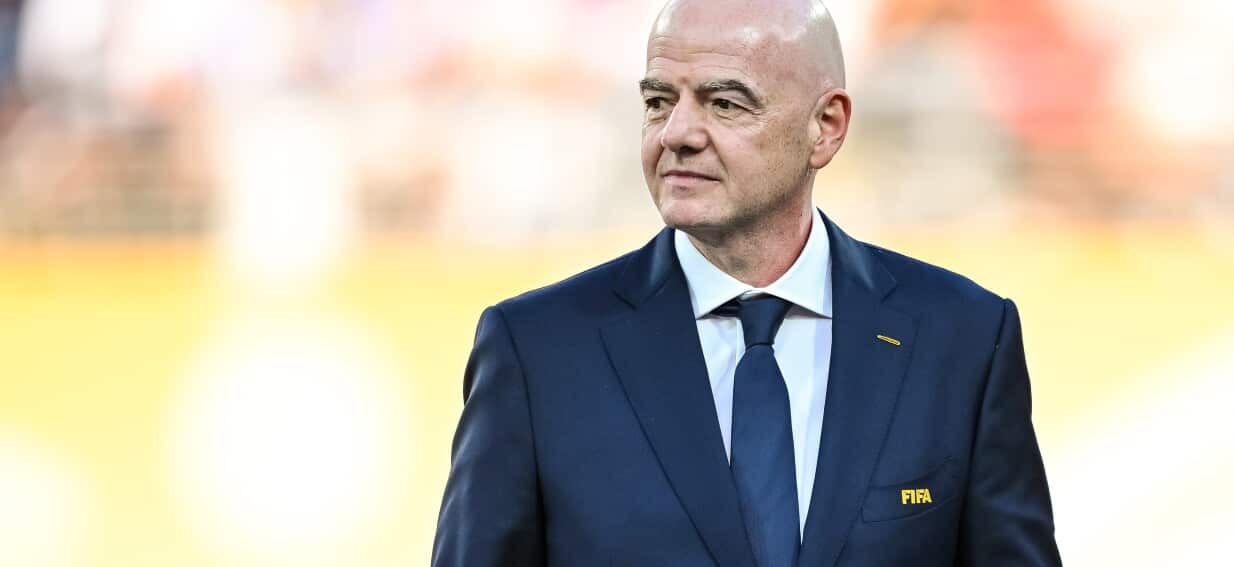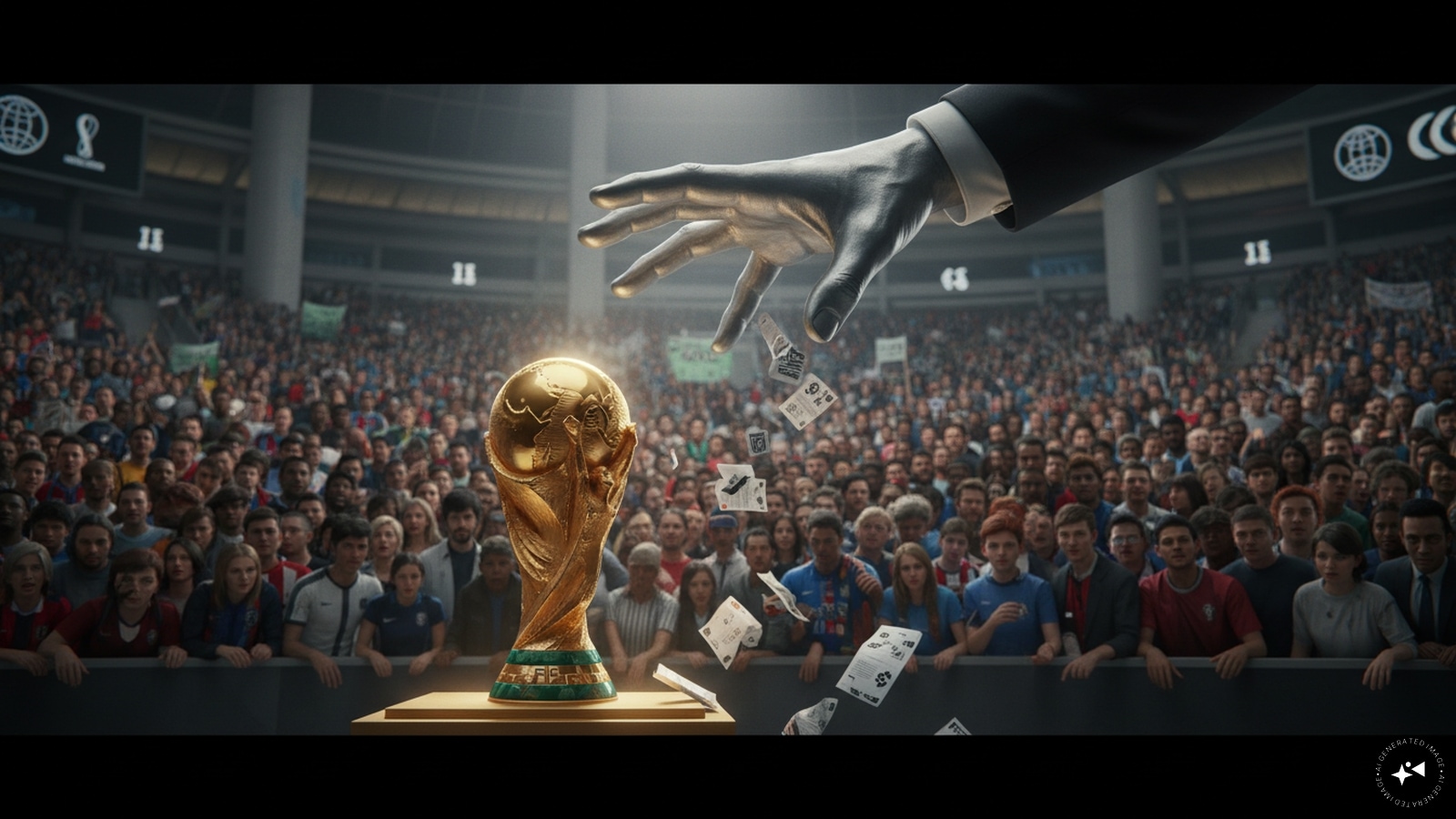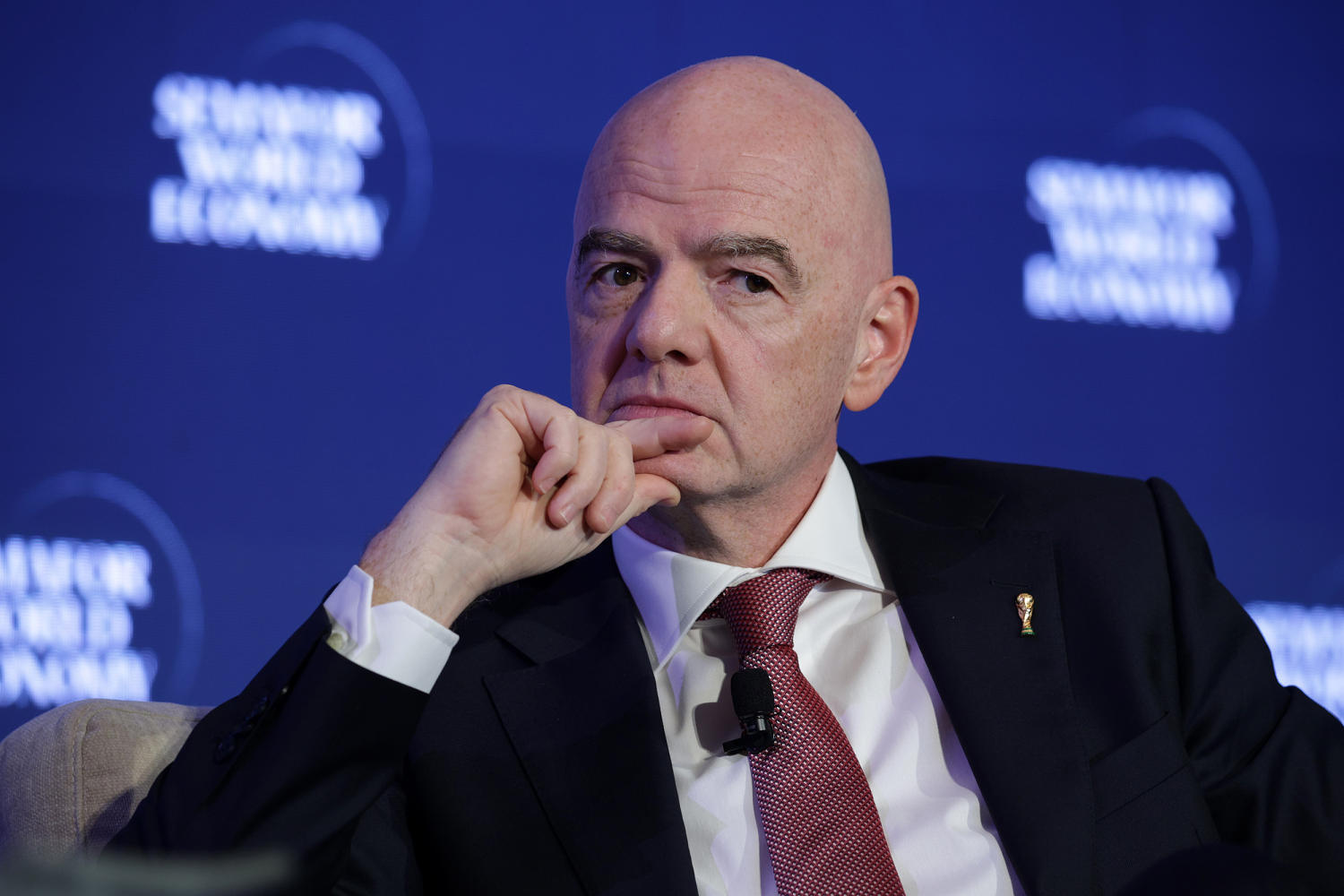
Gianni Infantino thought he could quietly push through a twenty billion dollar corporate makeover of soccer's most sacred tournament. He was wrong. After a swift and ferocious global backlash led by major continental governing bodies, the FIFA president officially scrapped plans to sell a minority stake in the World Cup's commercial rights to private equity investors.
If you followed the sudden rise and collapse of the so-called FIFA Forward Enterprise subsidiary, you watched a masterclass in political overreach. Let's look at what actually happened behind closed doors, why the soccer world erupted in fury, and what this near-miss means for the future of the beautiful game.
The Twenty Billion Dollar Pitch That Backfired
The entire controversy started when details leaked about a secretive proposal hatched by Infantino. The plan aimed to spin off FIFA's commercial operations into a separate corporate entity valued at twenty billion dollars. Under this arrangement, private investors—anchored by New York-based firm Thrive Capital, founded by Joshua Kushner—would purchase a twenty percent equity stake.
To sweeten the deal for FIFA's 211 member associations, Infantino dangled a massive cash incentive. Instead of the standard development funding cycle, federations were offered up to twenty million dollars in one-off capital if they signed off on the project before a mid-September deadline.
FIFA insisted that regulatory power, match calendars, and sporting governance would remain strictly under its control. But critics weren't buying the distinction. Once external capital enters the ecosystem, commercial return transforms from an option into an absolute, daily obligation.
Why Europe and North America Drew a Hard Line
Opposition wasn't just lukewarm; it was nuclear. UEFA—representing fifty-five member nations—called an emergency meeting and threatened an immediate boycott of all FIFA competitions, including upcoming youth World Cups, if the plan moved forward. Their stance was simple and uncompromising: some things are too important to monetize, and the World Cup belongs to the sport itself, not to private shareholders.
CONCACAF quickly followed suit, issuing a sharp rejection that pointed out glaring flaws in the process. North American soccer leaders questioned why FIFA needed outside private equity at all, especially right on the heels of the most financially lucrative World Cup in history.
Even inside FIFA's own inner circle, cracks formed rapidly. Carlos Cordeiro, a senior adviser to Infantino and former U.S. Soccer Federation president, abruptly resigned. Cordeiro publicly stated he had no hand in the proposal and opposed it unequivocally, declaring he could not stand by while a stake in the World Cup was put on the block. When the Asian Football Confederation also voiced strong opposition, the writing was entirely on the wall. Infantino had run out of allies.
The Real Danger of Private Equity in Sports
People often wonder why fans and federations panic when private equity touches sports. Look at what happens in European club leagues or American franchises when hedge funds take over. Ticket prices skyrocket, traditions get bulldozed for short-term revenue spikes, and fans turn into monetization metrics.
FIFA already generates billions of dollars in revenue through broadcast rights, sponsorships, and ticket sales. Handing a slice of the World Cup to private investors introduces a permanent corporate master whose primary loyalty is to quarterly returns, not grassroots soccer development.
Infantino framed the move as an act of democratization designed to turbocharge funding across developing nations. But the federations saw it as an alarming privatization stunt that crossed a line institutional sports should never breach.
Where FIFA Goes From Here
Faced with a crumbling coalition and the threat of a fractured global game, Infantino announced that the project would not proceed. He claimed his only purpose was to unite and improve soccer, admitting the proposal had become too divisive.
Yet, the political damage is real. With a presidential election cycle looming on the horizon, this miscalculation has exposed deep vulnerabilities in FIFA's top-down decision-making style.
If you care about the direction of international soccer, pay close attention to how governance reforms play out over the coming months. Stakeholders must demand total transparency to ensure that future commercial strategies prioritize sporting integrity over quick cash infusions.