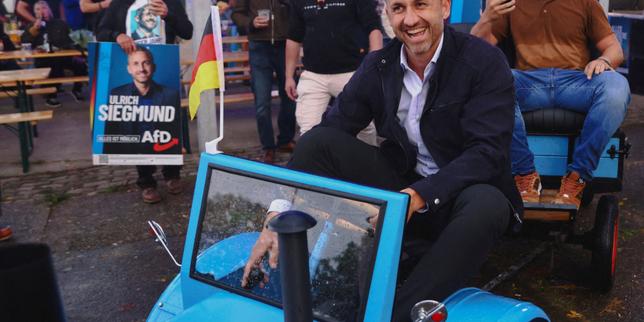
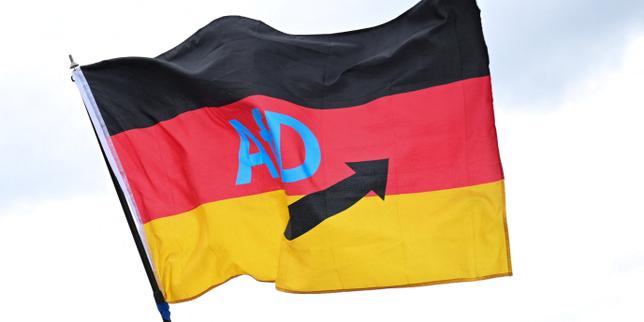
Voters in eastern Germany are heading to the ballot boxes, and the establishment in Berlin is sweating. The Alternative for Germany, better known as the AfD, is eyeing a historic state election victory that could rewrite the country's political playbook. If you've been watching European politics, you know this isn't just a minor regional blip. It's a seismic shift.
For decades, Germany's political mainstream maintained a strict cordon sanitaire against the far-right. Nobody touched them. Nobody worked with them. But numbers change things. When a populist party starts winning real chunks of the electorate, walls start cracking. Eastern German states like Thuringia and Saxony are ground zero for this political earthquake.
Why is this happening right now? The reasons run deep. People are angry. Inflation bit hard over the last few years. Energy costs skyrocketed after the war in Ukraine cut off cheap Russian gas. Industrial towns feel forgotten by the traffic-light coalition governing in Berlin. Chancellor Olaf Scholz isn't winning popularity contests out east. Voters feel ignored by distant elites, so they're voting for the loudest wrecking ball on the ballot.
Let's look at the mechanics of what makes the AfD tick in these specific regions. Eastern Germany never experienced the same post-war economic integration as the west. Reunification brought promises of prosperity, but many easterners still feel like second-class citizens with lower wages and fewer career paths. The AfD capitalized on this exact resentment. They frame themselves as the true voice of the neglected east against a smug, out-of-touch establishment sitting comfortably in the western capital.
The Firewall That Might Crumble
Every major German party vows to keep the AfD out of power. They call it the Brandmauer, a protective firewall meant to stop radical right-wing ideas from seeping into actual governance. But math is stubborn. If the AfD pulls in thirty percent or more of the vote, forming a stable regional government without them becomes a mathematical nightmare.
Other parties face a brutal choice. Do they form awkward, bloated coalitions of four different ideological factions just to block one party? Or do they risk breaking the taboo and opening backroom channels? Voters see these desperate coalition math tricks and lose even more faith in democracy. When you lump center-right and center-left parties into the same bed just to keep outsiders out, you only feed the narrative that the system is rigged.
Anti-establishment sentiment feeds on these exact dilemmas. The more the establishment tries to isolate the party, the more martyrs the movement creates. Supporters view media criticism and intelligence agency surveillance as proof that the system is terrified of ordinary citizens taking back control.
Immigration and the Flashpoint in Eastern Towns
You cannot talk about this election without talking about migration. Small towns in Saxony and Thuringia are struggling to house asylum seekers. Local infrastructure is straining under the pressure. Schools lack teachers. Hospitals are closing branches.
When residents voice concerns about integration or local resources, mainstream politicians often label them backward or xenophobic. That shuts down the conversation. The AfD stepped into that vacuum. They don't just talk about borders; they weaponize every single administrative failure related to public services.
It works. When a busload of new arrivals pulls into a village of five hundred people, and the local mayor refuses to answer questions at town halls, citizens feel powerless. They cast their ballots not necessarily because they subscribe to every tenet of radical ideology, but because they want a loud, disruptive message delivered straight to the chancellor's desk.
What Happens After the Votes Are Counted
The morning after the election will bring a fresh wave of panic across European financial capitals. Investors hate instability. Germany has long been the boring, predictable anchor of the European Union. A fractured political landscape in its eastern industrial heartland ruins that cozy reputation.
Even if the AfD is blocked from taking the minister-president seat by a coalition of convenience, their sheer legislative weight will paralyze local parliaments. They can block judicial appointments, stall budgets, and turn every debate into a national media spectacle.
If you want to understand where European politics is heading, stop looking at Brussels and start watching rural town halls in eastern Germany. The old rules are burning down. Pay attention to how local politicians respond to these results because their survival depends on finding real answers instead of just building walls. Stop ignoring the voters on the ground, or watch the map turn completely blue.