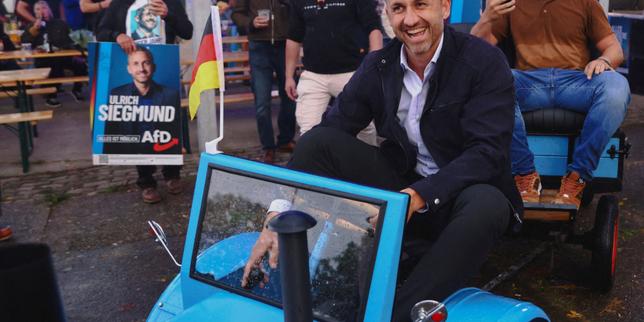
Der Spiegel recently slapped Ulrich Siegmund’s face across its cover with a breathless label: the most dangerous man in Germany. It is a masterpiece of self-sabotage by the legacy press. Within hours, the regional leader of the Alternative for Germany party in Saxony-Anhalt was autographing copies of the magazine on TikTok like a rock star.
The media thinks they are sounding an alarm. They are actually running his ground game.
Every time a legacy publication hyperventilates about a populist politician destroying the fabric of the republic, they commit a fundamental strategic error. They validate the exact anti-establishment premise that put that politician on the map. They signal to millions of voters who feel economically discarded and culturally alienated that the Berlin consensus is terrified. And when the establishment is terrified, voters smell blood.
To understand why the panic over Siegmund misses the mark entirely, we have to look past the moral panic and examine the structural mechanics of modern political marketing. Siegmund is not an aberration of a broken system; he is the direct, logical product of it.
Traditional analysts love to treat figures like Siegmund as historical anomalies, sudden eruptions of dark forces from the East German past. This is lazy analysis. Siegmund is a 35-year-old former marketing entrepreneur with a degree in business administration. He does not shout angry diatrabes from smoke-filled beer halls. He rides a vintage Simson moped through rural towns, films clean, high-production short-form video content, and out-maneuvers centrist opponents who are still running campaigns designed for the 1990s.
When mainstream outlets focus exclusively on his radical ties or controversial party platforms, they commit a second error: they assume voters are uniformly ideologically rigid. They are not. A massive percentage of the electorate backing the AfD in places like Saxony-Anhalt is not voting for an ideological masterplan; they are casting a punitive vote against an institutional apparatus they view as arrogant and dysfunctional.
When political scientists like Marcel Lewandowsky point out that a large share of populist voters actually believe in democracy while simultaneously believing that the current system is entirely rigged, the establishment covers its ears. They prefer the simpler narrative of good versus evil because it absolves them of accountability. If the rise of the AfD is just a moral failing of the electorate, then the ruling parties do not need to change their disastrous economic policies, their energy grid transitions, or their administrative bloat.
The dangerous part is not Siegmund himself. The real danger is the absolute vacuum of self-awareness in Berlin.
When mainstream unions instruct police officers to prepare to ignore orders if a democratically elected regional government takes power, they cross a line far more hazardous to the health of a republic than any social media campaign. They institutionalize the exact polarization they claim to fight. When the state treats a potential democratic shift in power as an existential constitutional crisis, it reveals a profound lack of faith in its own democratic architecture.
If you want to neutralize a populist wave, screaming hysterically from the pages of legacy weeklies is the worst possible strategy. It converts a regional politician into a mythical David fighting a corrupt Goliath.
The establishment built the stage for Ulrich Siegmund through decades of administrative arrogance and economic stagnation. Handing him free advertising on the cover of your magazine is just the encore.
German politics explained: AfD's Ulrich Siegmund
This video provides an inside look at Ulrich Siegmund's campaign strategy and messaging in the lead-up to the crucial Saxony-Anhalt elections.
http://googleusercontent.com/youtube_content/1