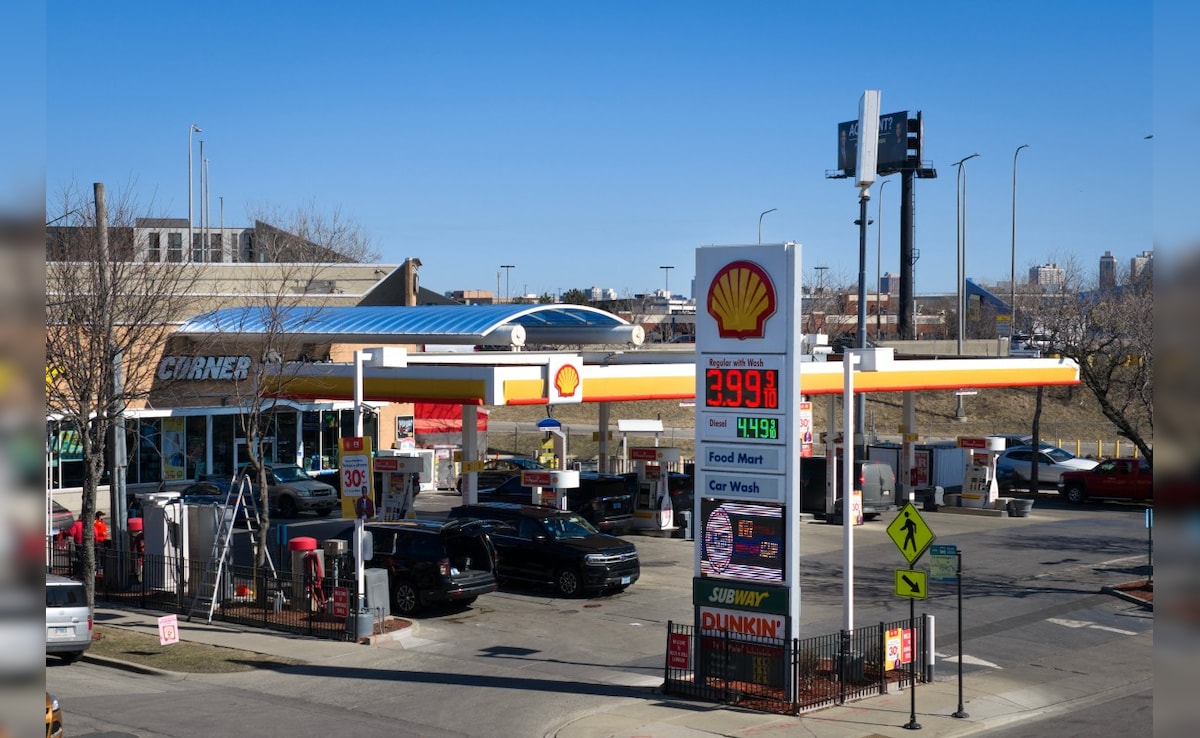
You pulled up to the pump this morning and saw a number that made your stomach drop. For the first time since the 2022 supply chain nightmare, the national average for gas has officially blown past $4.00 per gallon. If you're in California, you’re likely staring down $6.00.
It isn't just "seasonal demand" or "corporate greed" this time. We're witnessing the fallout of a direct military confrontation in the Middle East that’s choked the world's most vital energy artery. When the U.S. and Israel launched strikes against Iranian nuclear and military infrastructure in late February, the global oil market didn't just react—it broke.
The Strait of Hormuz Stranglehold
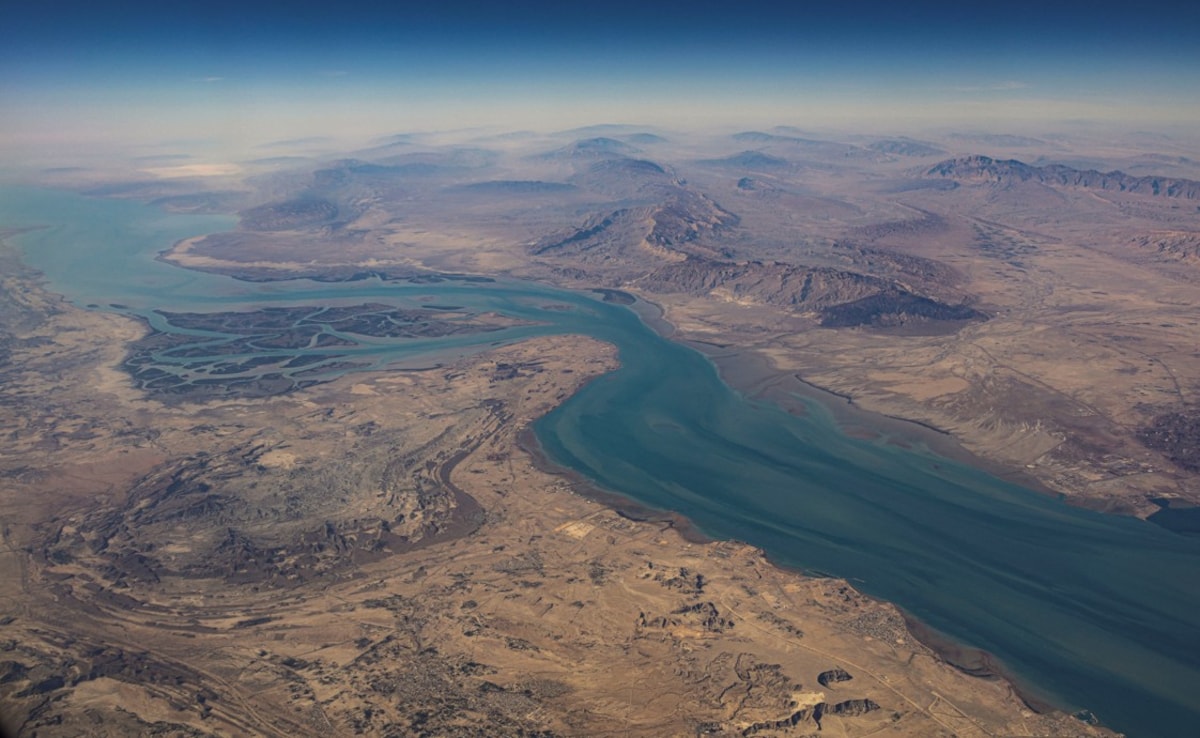
To understand why you're paying $1.00 more per gallon than you were thirty days ago, you have to look at a narrow stretch of water between Oman and Iran. The Strait of Hormuz is the ultimate chokepoint. Roughly 20% of the world’s total petroleum liquid consumption flows through here every single day.
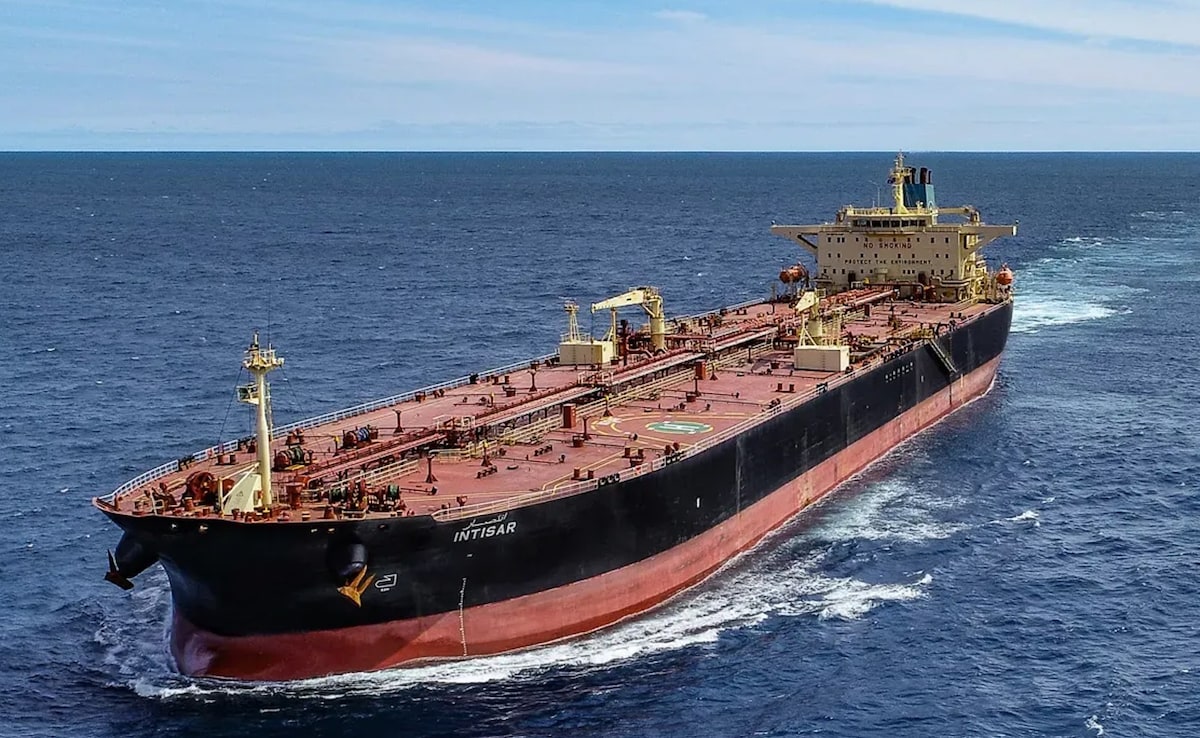
When Iran effectively closed the area for navigation on February 28, 2026, it didn't just stop Iranian oil. It trapped tankers from Saudi Arabia, Kuwait, and the UAE. Overnight, nearly 20 million barrels per day (mb/d) were put at risk. Even though the International Energy Agency (IEA) claims about 4 mb/d can be rerouted via pipelines, the math doesn't add up for the remaining 16 million.
The market hates uncertainty, and right now, it's terrified. Traders are baking in a "risk premium" of about $14 to $15 per barrel. That’s why Brent Crude is currently hovering above $100 per barrel.
Why the U.S. Can't Just Drill Its Way Out
I hear the same argument every time prices spike: "We're the world’s largest producer, so why does a war in Iran matter to my local Exxon?"
It’s a fair question, but the answer is frustratingly technical.
- Global Pricing: Oil is a global commodity. Even if we produce it in Texas, the price is set on the world stage. If there's a shortage in Europe or Asia, they'll outbid local buyers for American crude, driving our prices up to match.
- Refinery Mismatch: Many U.S. refineries are specifically tuned to process heavy, sour crude from abroad, not the light, sweet crude we pump out of the Permian Basin.
- Rig Lag: You can't just flip a switch and double production. It takes months to mobilize crews, secure equipment, and drill new wells. Most producers aren't willing to sink billions into long-term infrastructure for what might be a short-term price spike.
The Domino Effect on Your Monthly Budget
The pain doesn't stop at your gas tank. High fuel costs act like a hidden tax on literally everything you buy.
Think about the logistics. Diesel prices have surged 40% recently, hitting an average of $5.45 per gallon. That means every truck delivering groceries to your supermarket or packages to your porch is suddenly much more expensive to operate. We're already seeing the United Postal Service propose an 8% "temporary surcharge" to handle these costs.
If this maritime blockade lasts through the spring, we aren't just looking at expensive road trips. We’re looking at a period of stagflation—where the economy slows down but prices keep climbing. The Federal Reserve was supposed to cut interest rates this month; now, those plans are in the trash because they can't risk fueling more inflation.
The Emergency Response (and Why It's Failing)
The White House and its allies are pulling every lever they have left. The IEA has authorized the release of 400 million barrels from emergency stockpiles, including our own Strategic Petroleum Reserve (SPR).
As of late March 2026, the SPR sits at roughly 415 million barrels. While that sounds like a lot, it’s only a temporary bandage. These releases are designed to bridge gaps, not replace a massive supply disruption like the closure of the Persian Gulf.
What You Should Do Right Now
Don't wait for the government to fix this. Historically, these geopolitical spikes can last anywhere from three months to a year depending on military de-escalation.
- Audit your commute: If you've been lax about carpooling or using public transit, now is the time to get serious.
- Lock in travel plans: If you're flying this summer, book now. Airlines are already hiking ticket prices to offset the doubling of jet fuel costs.
- Watch the $120 mark: If Brent Crude crosses $120 and stays there for more than two weeks, expect a technical recession in energy-intensive sectors like manufacturing and shipping.
The reality is that we're paying the price for a conflict that shows no signs of a quick resolution. Stop thinking of these prices as a "glitch" and start adjusting your 2026 budget to handle a $4.00+ national average for the foreseeable future. Use apps like GasBuddy to find the outliers in your area, but realize that the cheap gas era is officially on pause. Efforts to lift sanctions on other producers are in the works, but they won't hit the pumps in time for your next fill-up. Stay nimble.