The headlines are predictably lazy.
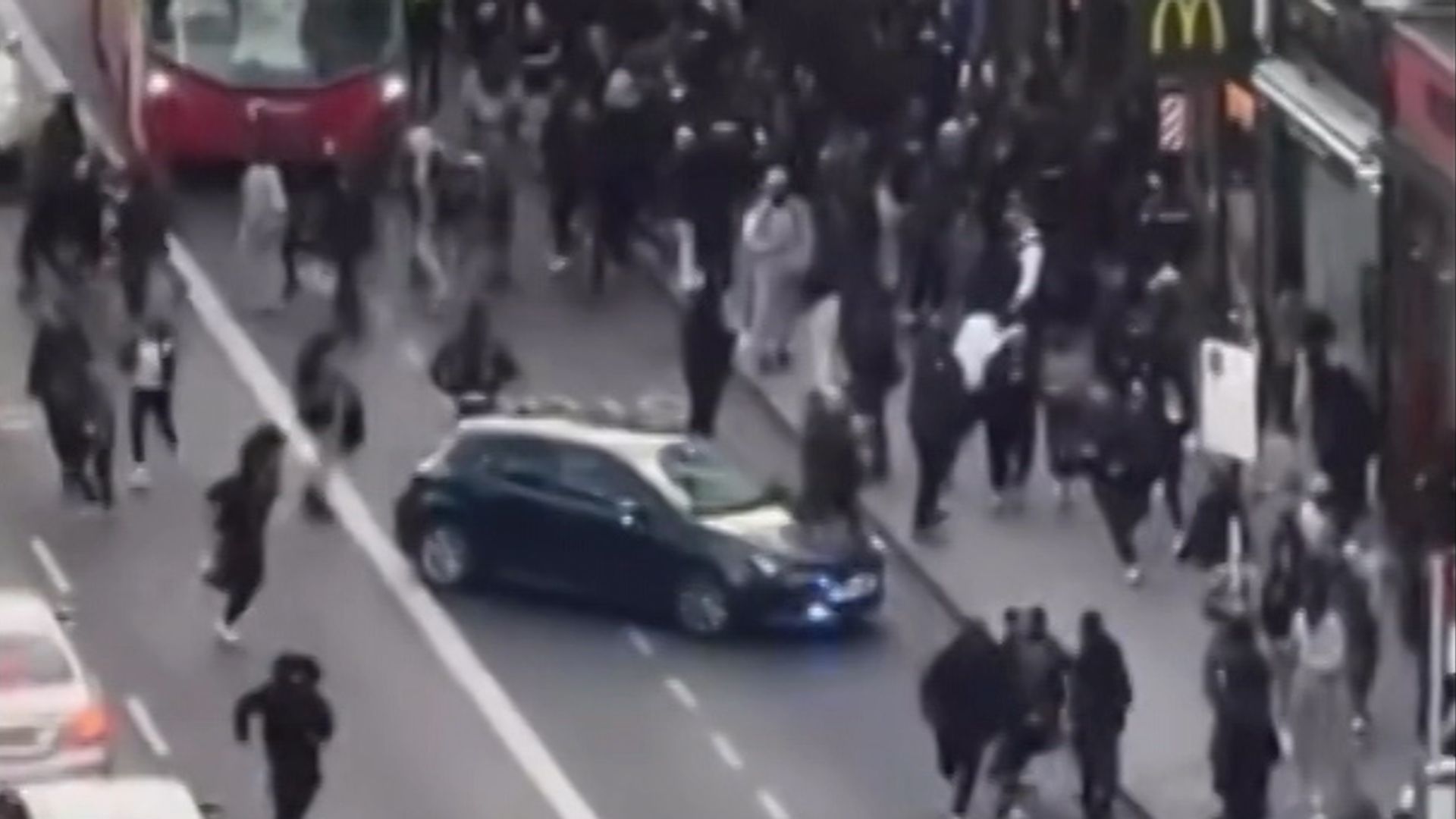
"Two arrested after crowds flood high street in social media craze."
The narrative follows a tired, sixty-year-old script: young people are bored, social media is the new "video games cause violence" bogeyman, and the police are the only thing standing between us and total anarchy. This isn't journalism; it's a collective shrug from a generation of analysts who can’t admit that the traditional high street is a rotting corpse.
If you think a viral post is the cause of these flash mobs, you’ve already lost the plot. The social media "craze" isn't the fire. It’s just the match. The fuel has been piling up for a decade.
The Myth of the Unprovoked Crowd
Mainstream media wants you to believe these incidents are spontaneous outbursts of digital insanity. They aren't. They are highly organized, efficient logistical operations that would make a Fortune 500 supply chain manager weep with envy.
When hundreds of teenagers descend on a central shopping district at 4:00 PM on a Tuesday, it isn't "chaos." It is a massive failure of urban planning and retail relevance. We’ve spent thirty years turning city centers into sterile, overpriced corridors of global franchises. We removed the "third spaces"—the youth centers, the affordable cafes, the parks—and replaced them with flagship stores that most of these kids will never be able to afford to shop in.
Then, we act shocked when they show up just to exist in the only space left: the street.
The "craze" isn't about the specific TikTok challenge. It’s about the thrill of reclaiming a space that has spent decades trying to price them out. The arrests aren't a solution; they are a temporary bandage on a systemic wound.
Why Policing the Internet Fails Every Time
I’ve watched retail giants pour millions into "social listening" tools to predict these flashes. They fail. Why? Because they are looking for keywords while the organizers are using context.
The standard response is to demand that platforms "do more" to moderate content. This is a fundamental misunderstanding of how digital speed works. By the time a moderator in a different time zone flags a video, the crowd has already dispersed.
Traditional security focuses on static defense. They guard the doors. They watch the CCTV. But these "crazes" are fluid. They are liquid. They move around obstacles. You cannot secure a high street against a group that doesn't care about the merchandise. If they aren't there to steal—if they are just there to be—your entire loss prevention strategy is worthless.
The High Street is a Museum, Not a Marketplace
Let’s be brutally honest: most high streets are dead. They just haven't stopped twitching yet.
The "Two arrested" story is a distraction from the fact that footfall is cratering and the only thing bringing people back in droves is the very thing the police are trying to stop: a reason to be there together.
Retailers are obsessed with "omnichannel experiences," a term they use to hide the fact that their physical stores are boring. If your store's only value proposition is "we have the stuff on the shelf," you are a warehouse with windows. The "mob" understands something the CEOs don't: the street is for social interaction, not just transactions.
Imagine a scenario where a brand actually leaned into the crowd. Instead of boarding up windows and calling the riot squad, what if a retailer offered a safe, organized space for that energy? They won't. They’re too afraid of the optics. They would rather have a quiet, empty street than a loud, profitable one.
The "Safety" Fallacy
"Public safety" is the shield everyone hides behind to avoid talking about class and age.
When a "craze" happens, the immediate reaction is to shut down the area. This creates a feedback loop of hostility. The more you treat a demographic like a threat, the more they will act like one. I’ve consulted for districts where the solution was more "defensive architecture"—slanted benches, loud high-frequency noises, aggressive lighting.
It didn't work. It just moved the problem three blocks over and made the area feel like a prison for the actual paying customers.
The real danger isn't the crowd; it's the vacuum. A healthy high street has a mix of ages and activities at all hours. When you turn a city center into a 9-to-5 office park, you create a dead zone that is ripe for disruption. The "social media craze" is just the ecosystem trying to fill the void.
Stop Asking the Wrong Questions
If you’re asking "How do we stop the next flash mob?" you’ve already failed.
The question should be: "Why is the only exciting thing happening on our high street a riot?"
The fix isn't more cops or better algorithms. It’s a total revaluation of what a city center is for. If the high street continues to be a playground for the wealthy and a police-state for everyone else, the "crazes" will only get bigger, faster, and more frequent.
You can't arrest your way out of cultural irrelevance.
Retail is no longer about selling products. It’s about managing attention. Right now, the "mob" is better at it than the brands. They have better engagement, higher reach, and zero overhead. Until the business community stops viewing these incidents as "crime" and starts viewing them as a "competitive signal," they will continue to be victims of the digital age they claim to lead.
The high street isn't being destroyed by TikTok. It's being destroyed by its own refusal to adapt to a world where physical presence is a choice, not a necessity.
Fix the street. The crowds will take care of themselves.