A kiwi farmer stands on a rugged hillside in Hawke’s Bay, squinting against a sun that feels a little too sharp for comfort. Thousands of miles away, a small-business owner in a bustling Bengaluru tech park navigates a sea of scooters and the humid weight of a pre-monsoon afternoon. On the surface, they share nothing. They speak different languages, eat different breakfasts, and measure success by vastly different metrics. Yet, their futures just became inextricably linked by a single stroke of a pen in a quiet room half a world away.
The signing of the India-New Zealand Free Trade Agreement isn’t just a victory for bureaucrats or a line item for the External Affairs Minister’s portfolio. It is the dismantling of a wall. For decades, doing business between these two nations felt like trying to whisper through a thick pane of glass. You could see the opportunity on the other side, but the sound didn't carry. Now, the glass has shattered. In similar news, we also covered: Structural Mechanics of Shell’s ARC Acquisition and the Consolidation of Montney Gas Assets.
The Weight of the Distance
Geography is a stubborn thing. It dictates what we eat, how we work, and who we trust. Historically, the distance between Wellington and New Delhi was measured in more than just nautical miles; it was measured in skepticism. New Zealand, a small, highly efficient agricultural powerhouse, looked at India’s massive, complex market and saw a labyrinth. India, a rising titan with a billion dreams, looked at New Zealand and saw a distant, niche partner.
The friction was real. High tariffs on dairy and fruit meant a New Zealand apple became a luxury item in Mumbai, out of reach for the very middle class that craved it. Conversely, Indian service providers and tech innovators found the regulatory hurdles in the South Pacific to be a maze with no map. This wasn't just about money. It was about lost potential. Every time a trade deal stalled, a hypothetical partnership died in the womb. The Economist has analyzed this fascinating issue in extensive detail.
Think of a young entrepreneur in Auckland who has developed a revolutionary water-purification software. She knows her product could save lives in rural Bihar. But without a formal framework—without the "Landmark" ties recently hailed by leadership—she is just a person with a laptop and a dream that’s too expensive to ship. The FTA changes her reality from "impossible" to "inevitable."
Beyond the Shipping Container
We often make the mistake of thinking about trade in terms of steel boxes on giant ships. We count the tons of milk powder or the crates of electronic components. That is the skeleton of trade, but the human element is the blood.
The true magic of this agreement lies in the mobility of people. When we lower the barriers for professionals to move, we aren't just trading labor. We are trading perspective. An Indian engineer spending two years in Christchurch doesn't just build a bridge; they bring a different way of solving problems. They return home with a piece of the Kiwi "number 8 wire" mentality—the idea that you can fix anything with a bit of ingenuity and whatever tools are at hand.
Meanwhile, New Zealand businesses are forced to scale their thinking. You cannot approach a market of 1.4 billion people with the same mindset you use for a population of five million. It demands a level of ambition that is often scary. This agreement provides the safety net required for that leap of faith. It says to the investor: "Go ahead. The rules won't change while you're in mid-air."
The Quiet Power of Food Security
Consider the dinner table. India’s middle class is expanding at a rate that defies historical precedent. As people move up the economic ladder, their diets change. They want higher protein, better quality produce, and reliable safety standards. New Zealand is, essentially, a giant farm designed to meet exactly those needs.
But this isn't a one-way street where one side sells and the other buys. It’s a symbiotic loop. India’s massive manufacturing and pharmaceutical sectors offer New Zealand something it desperately needs: scale and affordability. When an elderly man in Dunedin can access life-saving medication because it was produced efficiently in an Indian lab, the FTA isn't a "business deal." It’s a lifeline.
The "invisible stakes" are found in these moments. It’s the stability of a supply chain that ensures a grocery store in Hamilton doesn't run out of essential goods during a global crisis. It’s the ability of an Indian student to see a clear path to a world-class education in an environment that welcomes their talent.
The Architecture of Trust
Diplomacy is often portrayed as a series of handshakes and staged photos. It looks easy from the outside. In reality, it is a grueling exercise in vulnerability. To sign a Free Trade Agreement, both nations have to admit they need each other. They have to open their borders—and their vulnerabilities—to the whims of a partner.
There were moments during the negotiations where the whole thing could have collapsed. Concerns over local dairy farmers in India or the impact on small manufacturing in New Zealand were not trivial. They were the voices of real people afraid of being left behind. The breakthrough didn't come from ignoring those fears, but from addressing them through a "landmark" framework that prioritizes long-term cooperation over short-term wins.
Ministerial visits and high-level talks are the scaffolding. The building itself is constructed by the thousands of emails, phone calls, and site visits between private citizens that will follow. The EAM’s hailing of this tie is a signal to the markets, but more importantly, it’s a green light to the dreamers.
The Ripple in the Pond
Trade deals have a way of affecting things far removed from the boardroom. When two major democracies in the Indo-Pacific region align their economic interests, it sends a pulse of stability through the entire neighborhood. It suggests that growth doesn't have to be predatory. It can be collaborative.
We are living in an era of fragmentation. The world is pulling apart into silos. In that context, an agreement between New Zealand and India is an act of defiance. It’s a statement that the future belongs to those who build bridges rather than those who dig trenches.
Imagine a decade from now. That Hawke’s Bay farmer is no longer just selling fruit; he’s part of a joint venture that uses Indian AI to predict crop yields with 99% accuracy. That Bengaluru tech owner isn't just writing code; she’s managing a team that spans both hemispheres, using New Zealand’s unique position as a test-bed for green technology.
The "cold facts" of the FTA are just the dry tinder. The human ambition, the cultural curiosity, and the shared necessity of two nations are the spark.
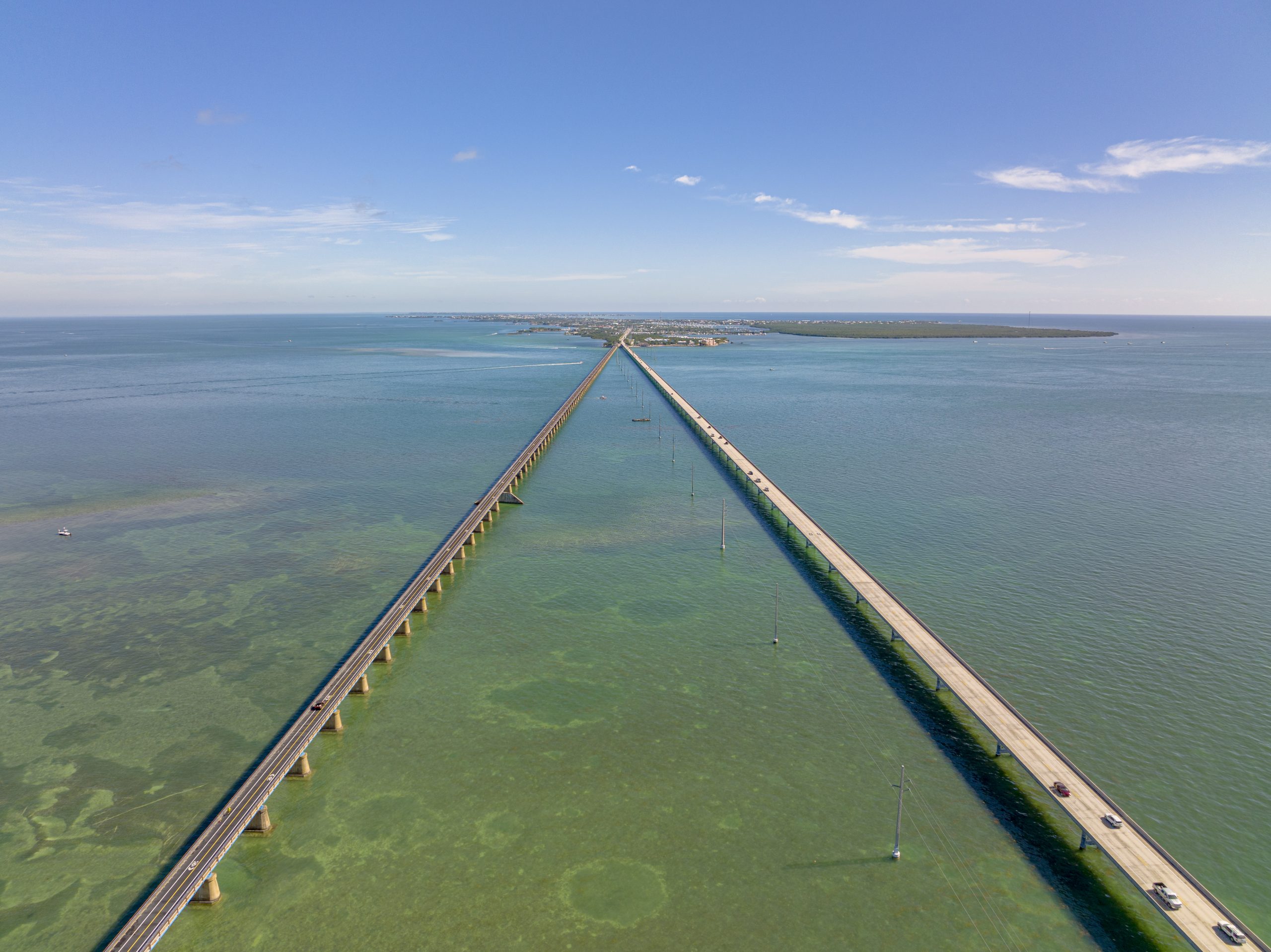
The bridge is finally open. The only question left is how many of us are brave enough to cross it.