Panic spreads fast. When gunfire echoes across a crowded horse racing track, seconds dictate who survives and who becomes a casualty.
Major sporting venues draw tens of thousands of spectators on any given weekend. Yet, emergency security infrastructure at these facilities remains dangerously inconsistent. A shooting rampage at a prominent racetrack leaves communities shaken and forces a hard look at how public venues handle active threats. You expect safety when you buy a ticket. You assume local law enforcement and private security have every contingency mapped out.
They often don't.
The Reality of Venue Vulnerability
Racetracks, stadiums, and open-air arenas present a massive security puzzle. Unlike an airport or a federal courthouse, these spaces are built for high-volume foot traffic and easy movement. You can't lock down a perimeter spanning hundreds of acres without choking the very crowds that keep the venue solvent.
When a gunman opens fire at a major racing track, the chaos is immediate. People bolt for exits. Bottlenecks form instantly at narrow gates. Panic often injures more people than the initial violence does.
Security teams face an impossible bottleneck. They must neutralize an active threat while managing panicked thousands who have zero situational awareness. Most private security guards at these venues lack tactical training. They are there to check tickets and point people toward concession stands. They aren't equipped to engage an active shooter with a rifle.
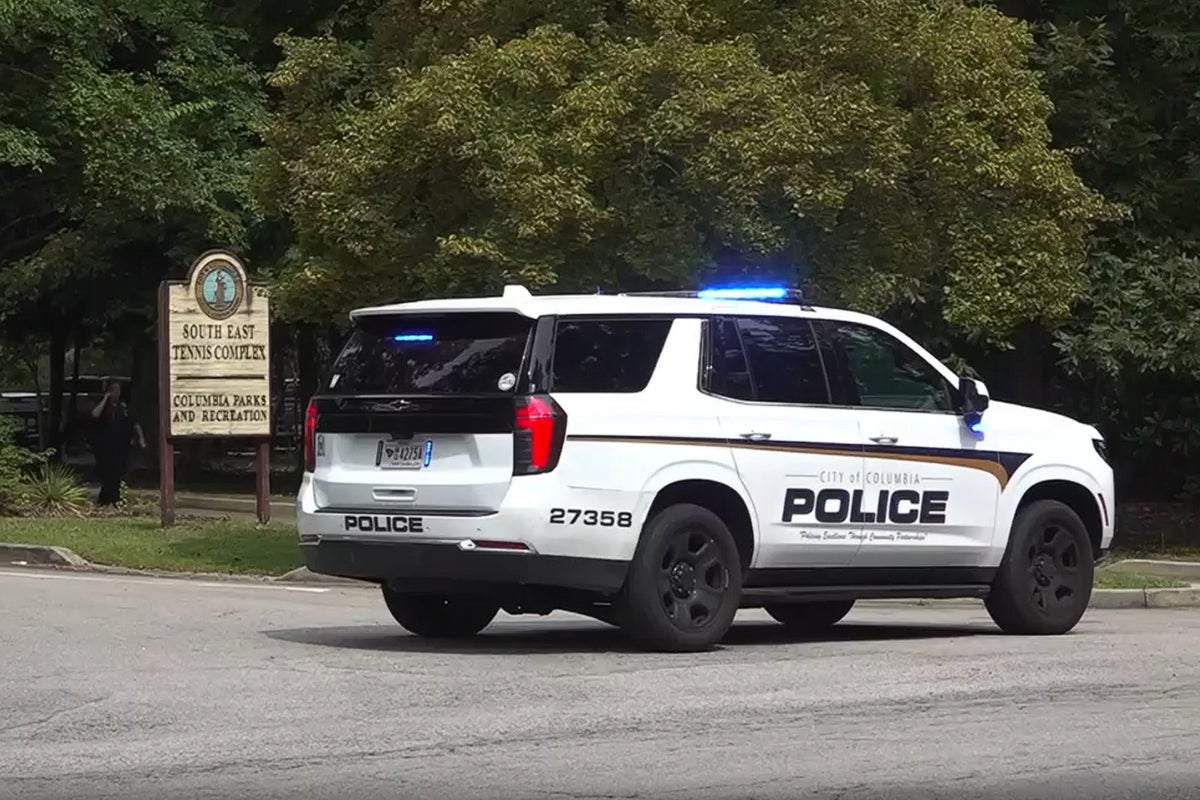
Response times tell the real story. Police dispatch logs from similar mass-casualty incidents show that the critical window for stopping an active shooter lasts mere minutes, sometimes seconds. If local patrol units are miles away, the body count climbs before the first siren even turns onto the access road.
Where Public Safety Protocols Break Down
Standard operating procedures for large public gatherings are overdue for an overhaul. Too many venue operators treat security as an insurance checkbox rather than an active defense strategy.
Communication breakdowns ruin response efforts. When shots ring out, radio channels get flooded. Witnesses call 911 with conflicting descriptions of the shooter. Dispatchers struggle to relay accurate coordinates to responding officers speeding toward the scene.
You see the same mistakes repeated across the board:
- Outdated analog camera systems with blind spots near high-risk entry points.
- Inadequate coordination between private event staff and municipal police departments.
- Zero public guidance on how attendees should shelter in place or evacuate safely.
Venue operators need to invest in modern threat detection technology. Passive millimeter-wave scanners and AI-driven video analytics can spot concealed weapons before individuals clear the gates. But technology alone won't fix a broken culture. Staff training needs to move past passive observation into active threat management.
What Needs to Change Right Now
If you attend a large public event, your safety shouldn't depend entirely on luck. We need strict federal and state mandates holding venue owners accountable for measurable security standards.
Operators must conduct mandatory drills with local law enforcement twice a year. Every staff member needs to know the exact evacuation routes and triage zones by heart. Emergency exits must remain unlocked and unobstructed at all times, no matter how worried management is about ticket hoppers.
We must stop treating active shooter events at public venues as freak anomalies. They are predictable failures of infrastructure and preparation. Until venue executives prioritize human lives over frictionless crowd flow, the next tragedy is just a matter of time. Stay aware of your surroundings, identify the nearest exits the moment you take your seat, and demand better accountability from the places taking your money.