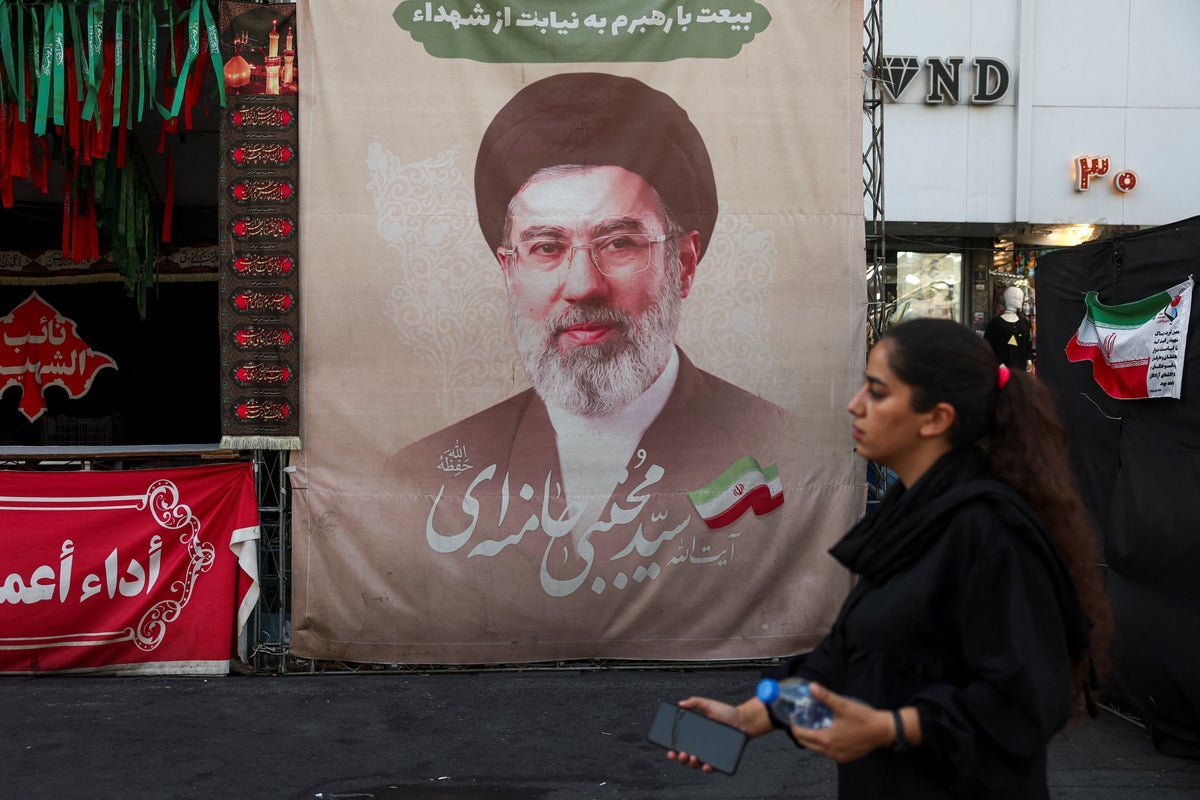
Iranian Supreme Leader Mojtaba Khamenei used the platform of Islamic Unity Week to issue a written directive to Gulf Arab monarchies, urging them to identify a singular "real enemy" and align their defenses under a collective religious banner. Released via his Telegram channel, the message arrived six months into an active regional conflict that began with devastating United States and Israeli airstrikes. Those initial strikes killed his predecessor, Ayatollah Ali Khamenei, and left the current leader physically unseen in public view ever since. This appeal for solidarity is not merely a traditional holiday greeting. It represents a calculated strategic maneuver by a state under severe economic and military duress, attempting to fracture the security architectures binding West Asian capitals to Washington.
The core tension of West Asian geopolitics rests on a simple, brutal contradiction. Tehran demands that Gulf neighbors like Saudi Arabia, the United Arab Emirates, and Qatar distance themselves from Western military umbrellas. Yet, for decades, those same monarchies have relied on those exact Western security guarantees precisely because of Iran's revolutionary export policy and ballistic missile proliferation. When Mojtaba Khamenei asks whether Gulf lands would have been coveted by outside forces if the region had remained unified "under the flag of Islam," he glosses over the historical anxieties that drove Arab states toward Washington in the first place. Don't miss our previous coverage on this related article.
The Anatomy of Isolation
To understand why these rhetorical overtures fall flat in Riyadh or Abu Dhabi, one must examine the operational reality on the ground. Tehran's strategy during the current conflict has not been limited to targeting foreign adversaries; it has repeatedly involved kinetic strikes against critical infrastructure and military installations located within or adjacent to Gulf states.
- Infrastructure Vulnerability: Regional energy corridors and desalination plants remain acutely exposed to cross-border escalation.
- The Security Dilemma: Gulf capitals view Iranian proxy networks as a direct threat to domestic regime survival.
- Asymmetric Trust Deficits: Public calls for brotherhood clash with the smoking ruins of regional petroleum facilities hit during retaliatory exchanges.
Diplomatic tracks led by Foreign Minister Abbas Araghchi attempt to balance these aggressive postures with outreach to Oman, Pakistan, and Qatar. These diplomatic missions pitch joint mine-clearing operations and cooperative management frameworks for the Strait of Hormuz. Yet, these olive branches are consistently undermined by the simultaneous reality of regional proxy warfare. Asking neighbors to trust an ideology that has historically aimed at subverting monarchical rule requires more than a holiday telegram. To read more about the history of this, The Guardian offers an excellent summary.
The Domestic Cost of Confrontation
The timing of this unity appeal also betrays internal vulnerabilities. Mojtaba Khamenei's directives inside Iran have turned sharply inward, prioritizing strict social cohesion and banning public dissent or discouraging statements that erode national morale. Decades of compounding sanctions, combined with the immense costs of the ongoing war with Israel and the United States, have severely constrained Tehran's economic engine.
When a regime's leadership remains entirely out of public sight due to security fears while managing a population strained by wartime inflation and scarcity, the projection of regional leadership becomes an existential necessity. Calling for an Islamic front against Western influence serves a dual purpose. It externalizes domestic economic frustration, framing local suffering as the noble cost of resisting an external hegemon.
The Limits of Pragmatic Diplomacy
Gulf rulers are tracking these developments with cold, analytical detachment. They recognize that Iran's overtures stem from weakness rather than a sudden ideological conversion. While countries like Saudi Arabia have pursued independent detents and diplomatic diversification with Tehran to protect their mega-projects and vision goals, they have no intention of trading an American security blanket for an Iranian-led sphere of influence.
The structural divide across the Persian Gulf remains unbridgeable through semantic appeals to religious unity. As long as Tehran views regional integration as submission to its revolutionary hierarchy, and as long as Gulf monarchies view Tehran's missiles as an existential knife at their throats, Islamic Unity Week will remain an exercise in political theater. The real enemy, from the perspective of West Asian capitals, is not a unified abstraction, but the endless cycle of state-sponsored insecurity that prevents genuine economic integration from taking root.