The mud on the doorsteps of Nepal was still wet.
You do not forget the smell of floodwater once it retreats. It leaves behind a thick, gray silt that coats everything—furniture, photographs, the memory of a dry floor—smelling faintly of rot and river-bottom. For weeks, families across the lowlands and valleys had been shoveling. They were tired. Their backs ached with the specific, grinding fatigue of people who spend their days undoing the violence of a monsoon.
Then came the rumble.
It did not sound like thunder. Thunder lives in the sky, wide and distant. This came from beneath the floorboards, a low, guttural groan that bypassed the ears and settled straight into the marrow of the bone.
Shift.
Across the border, deep in the high, thin air of Tibet, the earth had just cracked. A magnitude 5.3 earthquake, sharp and violent, ripped through the plateau. But the physics of the planet do not respect lines drawn on maps by politicians. The tremors spilled over the mountains, tumbling down the rocky passes to shake the very houses that were still dripping from the floods.
Panic has a sound. It is the clatter of a tin cup dropped on stone. It is the sudden, breathless silence of a mother grabbing a child by the wrist, her eyes darting to the ceiling beams as if she could negotiate with gravity.
Consider what happens next.
When you have already lost your dry clothes to a flood, every creak of a wooden frame sounds like a total collapse. The residents of Kathmandu and the surrounding districts did not just feel a geological event. They felt a compounding terror. Nature, it seemed, was not content with a single weapon. First, the water from above. Now, the stone from below.
To understand why this matters, you have to look at the map not as a collection of borders, but as a scar.
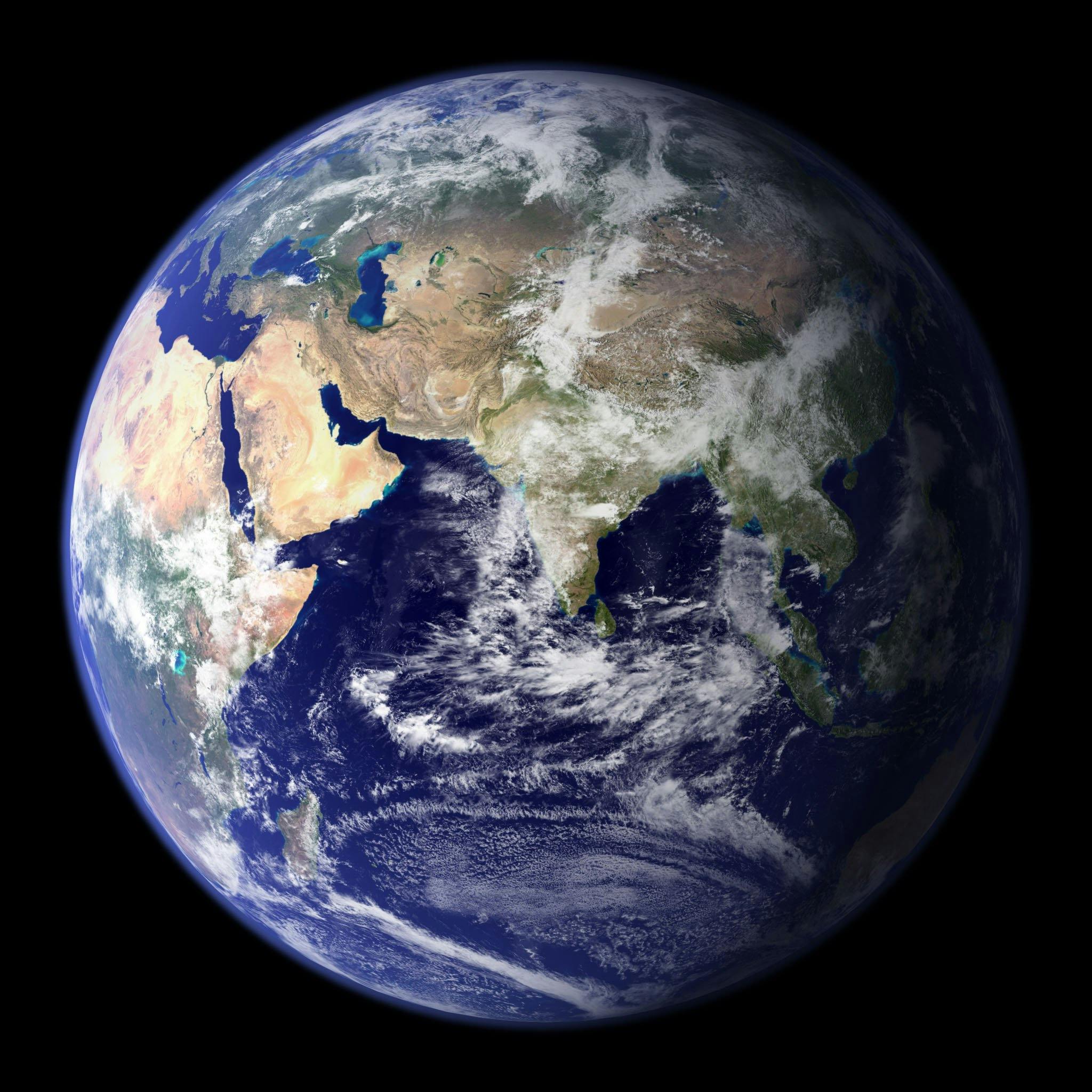
Centuries ago, the Indian tectonic plate began a slow, agonizing collision with the Eurasian plate. It is a geological car crash in slow motion, occurring at the rate of a few centimeters a year. That immense, grinding pressure is what pushed the Himalayas up into the sky. It is a monument to violence. But mountains do not just rise; they break. Every earthquake is simply the earth exhaling a fraction of that stored tension.
When a magnitude 5.3 tremor hits Tibet and sends shockwaves rolling toward Nepal, it is a reminder that the ground beneath our feet is only pretending to be still.
Scientists will tell you that a 5.3 is moderate. On the Richter scale, it sits well below the catastrophic disasters that make global headlines. If you are sitting in a steel-framed skyscraper in a city built on bedrock, a 5.3 is a rattling of windows, a brief pause in a work meeting, an excuse to grab a coffee downstairs.
Recovery looks different when the foundation is already mud.
Imagine standing in a village where half the homes were constructed from dry-stone and unreinforced mud mortar—structures that survived the water only because they sat slightly higher on the slope, but whose structural integrity was quietly dissolved by days of seepage. A moderate earthquake does not need to be a monster to knock down a weakened wall. It just needs to lean against it.
That is the invisible stake of this disaster. It is the accumulation of stress.
We tend to view news events as discrete, isolated blips on a screen. Earthquake in Tibet. Floods in Nepal. Headline, subhead, scroll down. But the people living through these crises do not experience them as separate tabs in a browser. They experience them as a continuous, fraying thread.
I remember talking to an elder in a mountain settlement years ago, after a smaller tremor rattled his village. He pointed to the hillsides slashed by scars of recent landslides. He said something that stayed with me.
"The mountain is old," he told me, squinting against the dust. "It remembers every rain. It remembers every shove. Eventually, it gets tired of holding itself up."
That is what a post-flood earthquake represents. It is the exhaustion of a landscape.
The immediate aftermath of the Tibet tremor brought no massive casualty reports, no apocalyptic footage of swallowed cities. Bureaucrats breathed sighs of relief. Emergency services stood down from high alert. The world moved on to the next political scandal or market fluctuation.
Yet, in the narrow alleys where the tremors were felt, families spent the night outside.
They hauled plastic tarps into courtyards. They built makeshift shelters under the open sky, not because their homes had turned to dust, but because they no longer trusted the walls. Trust, once broken, is much harder to rebuild than masonry. You can stack stones with mortar, but how do you patch the invisible fracture in a person's sense of safety?
Every aftershock is a ghost whispering that the floor might vanish again.
We look at disasters through the cold lens of magnitude numbers and death tolls, treating geography like a spreadsheet. We forget the human cost of living in perpetual anticipation. When the earth shakes just days after the water recedes, it teaches a brutal lesson about vulnerability. It shows us that poverty and geography form a cruel alliance, amplifying every blow until a moderate tremor feels like the end of the world.
The stars came out clear over the Himalayas that night, cold and indifferent, watching the silver roofs of the temporary tents glow faintly in the dark. The plateaus stayed quiet. The rivers slowed their pace. But down in the valleys, millions of people lay awake, staring up at ceilings they hoped would stay put until morning, waiting for the ground to stop remembering.