The desk is always cluttered. Papers spill over leather blotters, screens glow with the relentless ticker of a fracturing world, and somewhere in the background, a phone buzzes with an update that will alter the morning cycle. But inside the tight-knit orbit of high-stakes politics, the most significant transactions rarely happen in the open ledger. They happen in the quiet margins. They happen when a leader reaches for a checkbook, not to pay a vendor or settle an invoice, but to acknowledge the invisible labor of someone standing right beside them through the storm.
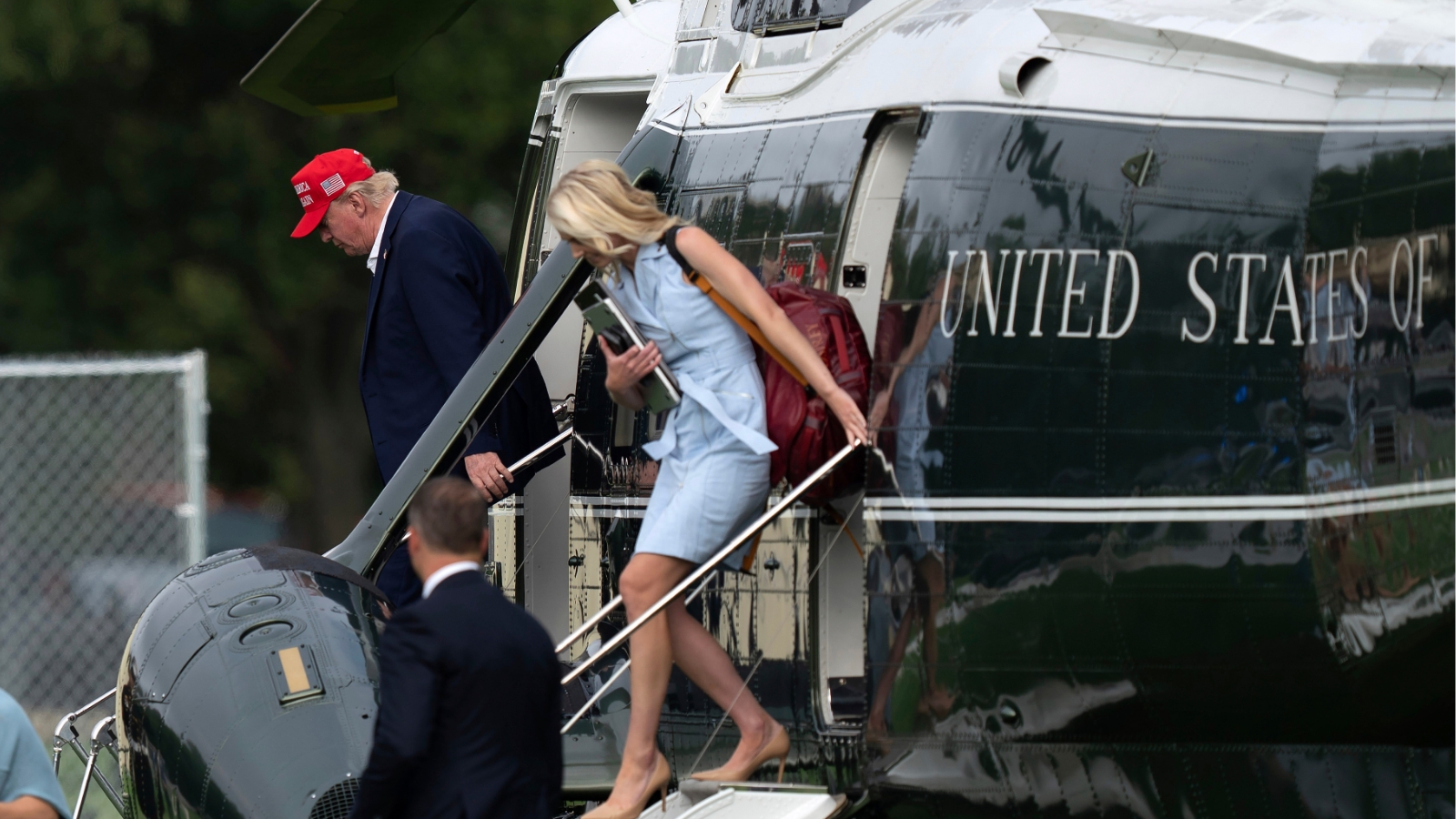
Natalie Harp knew that storm. For years, she was the shadow behind the screen, the person whose fingers blurred across keyboards and devices to curate the digital narrative for Donald Trump. When you live inside the machine, your hours cease to belong to you. Weekends dissolve. Holidays are marked by the hum of private jets and the sharp glare of television studio lights. You become an extension of the principal you serve.
So when a forty-five-thousand-dollar holiday cash gift materializes from the former president to Harp, it arrives wrapped in layers of conflicting interpretations. To her supporters, it is a human gesture. A boss recognizing extraordinary loyalty from a relentless aide. To skeptics and investigators, however, numbers of that magnitude do not simply float through the air without leaving a wake. They trigger alarms. They draw the sharp, unblinking gaze of compliance officers and legal analysts who spend their careers measuring the exact distance between personal gratitude and public corruption.
Money in politics has a weight. Every dollar carries an invisible gravity, pulling legal frameworks and ethical boundaries into its orbit.
Consider how ordinary employment works for a moment. If a corporate CEO hands a trusted executive a holiday bonus, it passes through payroll, incurs taxes, and settles neatly into a quarterly report. But when political figures operate, the lines blur. Campaign finance laws are ancient maps drawn for a simpler era, struggling to keep pace with modern political operations where aides function simultaneously as campaign staff, personal confidants, and media surrogates. When personal funds intertwine with political service, every transaction becomes a test case.
Why did the sum land at forty-five thousand dollars specifically? That exactitude is what catches the eye. It is large enough to transcend a casual holiday token, yet specific enough to suggest intention. In the ecosystem of political reporting, these numbers are dissected like ancient texts. Analysts hunt for hidden meanings, asking whether such payments cross the line into unreported compensation or violate the rigid walls meant to separate campaign treasuries from personal wealth.
Yet, looking only at the legal code misses the human drama entirely.
Imagine standing backstage at a rally. The roar of twenty thousand people shakes the floorboards beneath your sneakers. The air smells of popcorn, sweat, and cheap electricity. Your phone is vibrating violently in your palm—three reporters are demanding comment, a video clip needs immediate trimming and posting, and the principal is walking toward the stairs ahead of schedule. Your heart beats in your throat. This was Natalie Harp’s reality. The stakes were absolute. One delayed post could fracture a news cycle; one missed detail could spark a new controversy.
When you demand that level of absolute devotion from a human being, standard hourly wages fail to capture the toll. Power extracts a tax from those who serve it, often paid in sleep, peace of mind, and personal life. Leaders who understand this dynamic have historically relied on personal gestures to maintain loyalty. They understand that fierce loyalty cannot be bought with a standard salary alone; it requires the currency of personal appreciation.
But this is where the modern political theater becomes a paradox. The very traits that make an aide invaluable—total immersion, unquestioning dedication, the willingness to subordinate one's entire existence to another person's mission—are the exact things that draw suspicion from the outside world. To the outside observer, absolute loyalty looks like servitude. To the insider, it looks like survival.
The scrutiny facing this holiday gift is not really about forty-five thousand dollars. It is about the uncomfortable intersection of private wealth and public power. We live in an era where every transaction involving a political figure is viewed through an electron microscope. The public wants transparency, yet politics has always relied on personal relationships that resist total institutionalization. How do you regulate gratitude? How do you write a statute that separates a generous boss rewarding a hardworking employee from an attempt to secure permanent, unyielding allegiance?
The answers do not come easily, and the legal questions will likely churn through cycles of commentary, expert analysis, and institutional concern. But as the headlines fade and the digital chatter shifts to the next outrage, the core reality remains unchanged. Behind every grand political narrative, every speech, and every viral clip, there are individuals tethered to the machine. They trade their youth, their energy, and their focus for a front-row seat to history. Sometimes, they receive a check for their trouble. And always, they pay a price that no ledger can ever fully record.