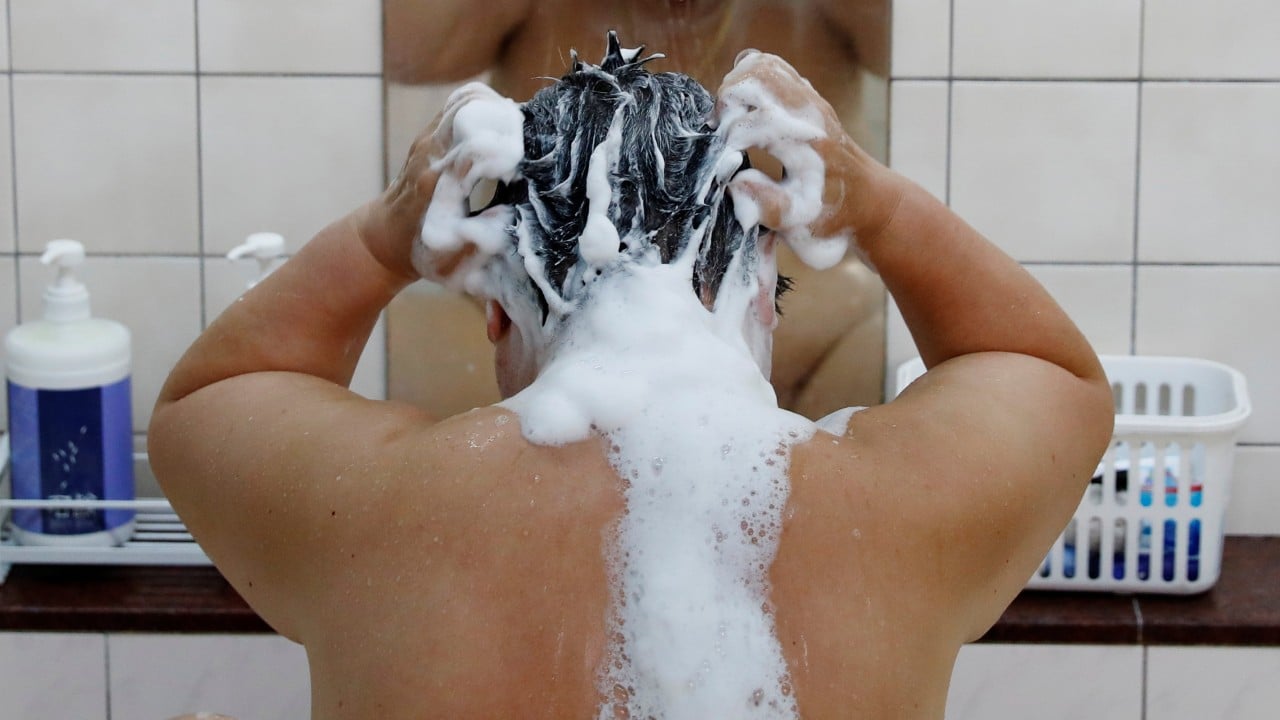
The neighborhood bathhouse is vanishing from the Japanese skyline. What was once an essential pillar of urban hygiene and community cohesion is being crushed by a brutal combination of surging fuel costs, crumbling infrastructure, and a generation of owners who have no one to hand the keys to. While surface-level reports blame the general rise in global energy prices, the rot goes much deeper. The industry is trapped in a regulatory vice where the government caps the price of a bath to keep it "affordable," while the costs of the heavy crude oil used to heat the water continue to climb toward the ceiling. It is a mathematical impossibility that is forcing centuries-old institutions to go cold.
The Burning Problem with Heavy Oil
Most traditional sento (neighborhood bathhouses) rely on Type-A heavy oil to fire their massive boilers. This isn't a choice made for nostalgia. These systems were built decades ago when oil was cheap and plentiful. Unlike modern homes that use efficient gas heaters or electric heat pumps, a bathhouse requires an immense volume of water to be kept at a steady, searing temperature—usually around 42°C (108°F)—for up to twelve hours a day. Meanwhile, you can find other stories here: The Death of the High Street Piercing Queen.
When the global supply chain fractures or geopolitical tensions spike, the price of this oil fluctuates wildly. For a small business operating on razor-thin margins, a 20% increase in fuel costs isn't just a headache; it is the difference between keeping the lights on and locking the doors forever. Because the "bathing fee" is strictly regulated by local prefectural governments to ensure public welfare, owners cannot simply raise prices to match their expenses. They are effectively subsidizing the public’s hygiene out of their own shrinking pockets.
The Efficiency Trap
Switching to cleaner or cheaper energy sources sounds easy on paper. In reality, it is a financial nightmare. Retrofitting an ancient wooden building with modern biomass boilers or electric heating systems costs tens of millions of yen. Most sento are family-run operations passed down through three or four generations. These families don't have the liquid capital to overhaul their entire energy infrastructure, and banks are increasingly hesitant to lend to an industry they view as terminal. To explore the full picture, check out the recent article by Bloomberg.
Some have tried burning wood scraps or waste pellets to bypass the oil market. This works for a handful of rural establishments, but in the dense heart of Tokyo or Osaka, the smoke and particulate matter trigger strict environmental complaints from neighbors living in high-rise apartments. The bathhouse, once the center of the neighborhood, is now often viewed as a nuisance by the very people moving into the gentrified blocks surrounding it.
A Legacy Without Heirs
The physical cost of fuel is only half the battle. The human cost is arguably more devastating. The average age of a bathhouse owner in Japan is now well into the 70s. The work is grueling. It involves waking up at dawn to scrub tiles, managing complex and dangerous boiler systems, and staying open until midnight to catch the last shift of workers.
The younger generation has watched their parents struggle for decades. They see the stress of the bills and the physical toll of the labor. Unsurprisingly, they are choosing corporate jobs or tech careers over the family business. When an owner becomes too frail to haul the hoses or monitor the gauges, the bathhouse doesn't get sold—it gets demolished. The land beneath these bathhouses is often worth more than the business itself. In Tokyo, a sento plot can easily be converted into a lucrative "pencil building" of micro-apartments in a matter of months.
The Rise of the Super Sento
While the humble neighborhood bathhouse dies, the "Super Sento" is thriving. These are massive, corporate-owned theme parks of bathing. They offer saunas, restaurants, massage services, and comic book libraries. Because they are classified differently than public bathhouses, they can charge 1,500 to 3,000 yen per visit, compared to the 500-yen cap imposed on traditional sento.
These corporate giants have the scale to negotiate better fuel contracts and the capital to invest in high-efficiency technology. However, they lack the social function of the original. The traditional bathhouse was a "naked communion" (hadaka no tsukiai), where the local butcher talked to the corporate lawyer, and the elderly were monitored by their neighbors. As these spaces disappear, the social safety net for Japan’s rapidly aging population thins out. For many seniors, the daily trip to the sento is their only human interaction. If the bathhouse closes, they become invisible.
The Subsidies are Not Enough
The Japanese government recognizes the cultural value of the sento, but the current subsidy programs are a band-aid on a gunshot wound. Small grants to help with "renovation" or "energy efficiency" rarely cover the actual costs of the specialized labor required to fix a 50-year-old boiler. Furthermore, the bureaucracy involved in applying for these funds is often too much for an elderly owner to navigate.
There is also the issue of the water itself. Many sento draw from deep underground wells. Maintaining the pumps and ensuring the water quality meets strict health standards requires constant investment. If a pump breaks, the repair bill can reach five million yen instantly. For a business that makes a few cents of profit per customer, that is a terminal event.
The Cultural Erosion
We are witnessing the loss of a specific type of Japanese architecture and art. The hand-painted murals of Mount Fuji that adorn the walls of these bathhouses are a dying craft. There are only a few master muralists left in the entire country. When a bathhouse is razed, these massive works of art are smashed into rubble along with the tiles.
This is not just about a place to get clean. Most people in modern Japan have perfectly functional bathrooms at home. They go to the sento for the space, the heat, and the silence. The psychological relief of soaking in a massive tub cannot be replicated in a plastic 1-unit prefab bath in a cramped apartment. The "steam dream" was about communal luxury for the common person. Without a radical shift in how these businesses are regulated and fueled, that dream is evaporating.
The Pivot to Survival
A few owners are fighting back with radical reinvention. In certain districts of Tokyo, you will find bathhouses that have added craft beer taps, DJ booths, or laundry cafes. They are trying to attract a younger, wealthier demographic that views the sento as a "retro" lifestyle choice rather than a necessity.
This works in hip areas like Shimokitazawa or Koenji, but it isn't a scalable solution for the thousands of bathhouses in working-class suburbs. A pensioner on a fixed income isn't going to buy an 800-yen IPA after their soak. The tension between remaining a public utility and becoming a boutique experience is tearing the industry apart.
The False Hope of Tourism
Some analysts suggest that the "inbound" tourism boom will save the bathhouse. This is a misunderstanding of the business model. While tourists love the idea of a traditional bath, the reality of strict etiquette—no tattoos, no towels in the water, the requirement of total nudity—often creates friction. Moreover, a few dozen tourists a week cannot sustain a business that requires hundreds of daily entries to break even on its heating bill.
The industry cannot rely on the curiosity of outsiders. It needs a fundamental restructuring of its overhead. This would mean either de-regulating the price cap, which would hurt the poor, or the government taking over the energy costs entirely, which is unlikely in the current fiscal climate.
The Boiler is Running Dry
If you walk through the backstreets of Tokyo at 3:00 PM, you can still smell the faint scent of woodsmoke or oil as the boilers kick to life. It is a comforting, industrial smell that has defined Japanese neighborhoods for centuries. But look closer at the chimneys. Many are cracked. The paint on the exterior is peeling. The "Open" sign is increasingly replaced by a handwritten note apologizing for a "temporary closure" due to maintenance—a note that often stays up until the wrecking ball arrives.
The crisis is not just about oil. It is about a country that has outgrown its own traditions and a regulatory system that refuses to adapt to the reality of the 21st-century energy market. Every time a sento closes, a piece of the city's soul is replaced by a vending machine or a parking lot.
Investors looking for a "turnaround" story here will find only heartbreak. The numbers don't add up. The only way to save the remaining bathhouses is a massive, state-sponsored transition to geothermal or advanced electric heating, coupled with a complete removal of the price ceiling for those who can afford to pay more. Without this, the neighborhood bathhouse will become nothing more than a museum exhibit, a relic of a time when the community gathered to share the warmth. If you want to experience a real sento, go today. Tomorrow, the water will likely be cold.