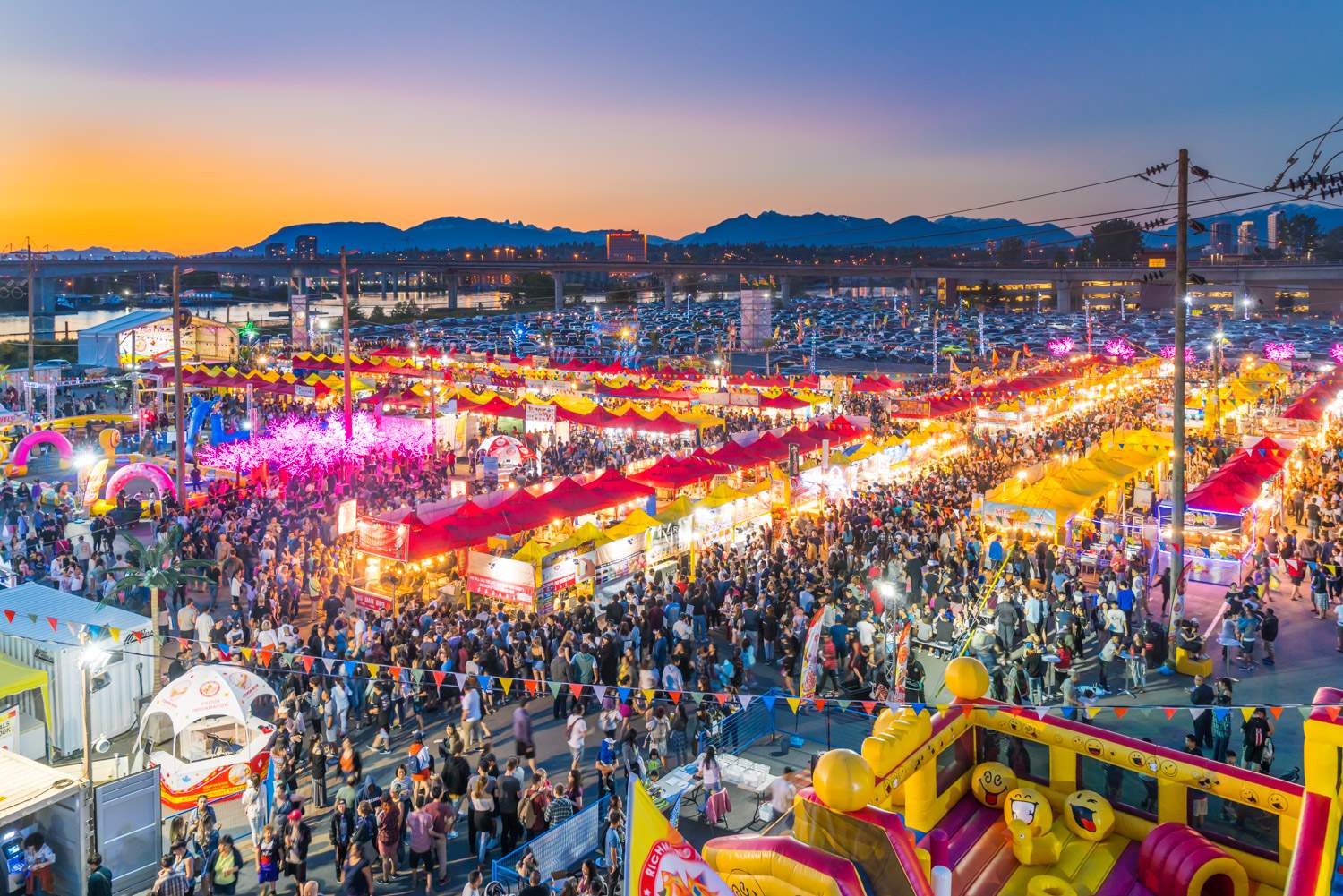
After twenty-six summers of defining the Pacific Northwest outdoor food scene, the Richmond Night Market is shutting its gates for good. For more than two decades, the sprawling open-air bazaar served as North America's premier celebration of street food, pop culture, and communal night life. Now, the sprawling tent city in British Columbia is folding under an unrelenting wave of modern economic pressures, marking a dark turning point for traditional public spaces.
When the last vendor packs up their grill this season, an irreplaceable cultural anchor vanishes. Millions of visitors walked those gravel aisles, drawn by the smell of charcoal-grilled squid, bubble tea, and skewered meats. But nostalgia does not pay municipal fees, liability insurance, or escalating land leases. The closure of the Richmond Night Market is not just an isolated local casualty. It is a loud warning shot about the viability of large-scale outdoor enterprise in modern cities.
The Margin Squeeze
Operating an open-air market used to rely on a straightforward formula. Rent a massive vacant lot, line it with tents, charge vendors a modest fee for space, and monetize the massive crowds through admission and parking. That formula broke down years ago.
Real estate values in the Greater Vancouver area skyrocketed past reason. Landowners sitting on prime commercial acreage near transit hubs face enormous financial temptation to sell for high-density residential development rather than lease to a seasonal weekend market. Rent hikes hit organizers with crushing force. At the same time, municipal safety mandates, crowd control expenses, and environmental health compliance costs multiplied year after year.
Vendors felt the pressure first. Many small-scale food operators who launched their concepts at the market discovered that profit margins on a four-dollar fish ball could no longer survive rising wholesale ingredient costs and booth fees. When running a stall becomes a financial liability instead of a springboard, the ecosystem collapses from the bottom up.
Bureaucracy and the Death of Spontaneity
Cities claim to love vibrant public culture. They market themselves with glossy brochures featuring colorful street festivals and diverse culinary nights. Yet, the regulatory machinery municipal governments build often strangles the very things they advertise.
Permitting a temporary mass gathering requires navigating a maze of bureaucratic hurdles that would test a corporate legal team. Fire codes, waste management plans, security protocols, and noise bylaws accumulate like layers of lead armor. Every new restriction adds overhead. Every delayed permit threatens the short operating window of a seasonal business.
The market survived for twenty-six years through sheer institutional momentum and the stubborn willpower of its operators. But institutional momentum cannot outrun a regulatory framework designed for permanent skyscrapers, not temporary food stalls. When a municipality treats a cultural institution like an industrial hazard zone, survival becomes statistically impossible.
The Shift in Consumer Behavior
Economic headwinds and bureaucratic red tape tell only half the story. Consumer habits changed beneath the market's feet.
Two decades ago, the Richmond Night Market offered a rare gateway to authentic Asian street food culture that was otherwise unavailable in mainstream suburbs. Today, that culinary landscape looks entirely different. Authentic regional Asian cuisine permeates strip malls, food halls, and brick-and-mortar restaurants across the region. You no longer need to brave a two-hour weekend line in a gravel parking lot to buy decent takoyaki or dragon beard candy.
Inflation also altered how families spend disposable income. Paying admission just to enter a market where you then pay inflated prices for street food feels less like a fun summer evening and more like a financial trap. When grocery bills and rent consume the median household paycheck, luxury spending shifts toward lower-friction entertainment.
What Takes Its Place
The closure leaves a massive void in the regional economy. Dozens of micro-entrepreneurs used the market as an incubator, testing menu items before opening permanent restaurants. Without this low-barrier entry point, the local food scene loses a vital engine of culinary innovation.
Other cities should watch this closely. Toronto, Los Angeles, and New York host similar outdoor food gatherings that face identical pressures. If a giant with twenty-six years of brand equity cannot make the math work, smaller operations stand zero chance against rising land values and regulatory creep.
Public space is becoming an exclusive commodity. When open-air culture is priced out of existence, cities grow colder, more uniform, and infinitely less interesting. The final closure of the Richmond Night Market marks the end of an era where ordinary people could gather under a million glowing string lights and share a plate of hot food without a corporate sponsor or a luxury condo looming overhead.