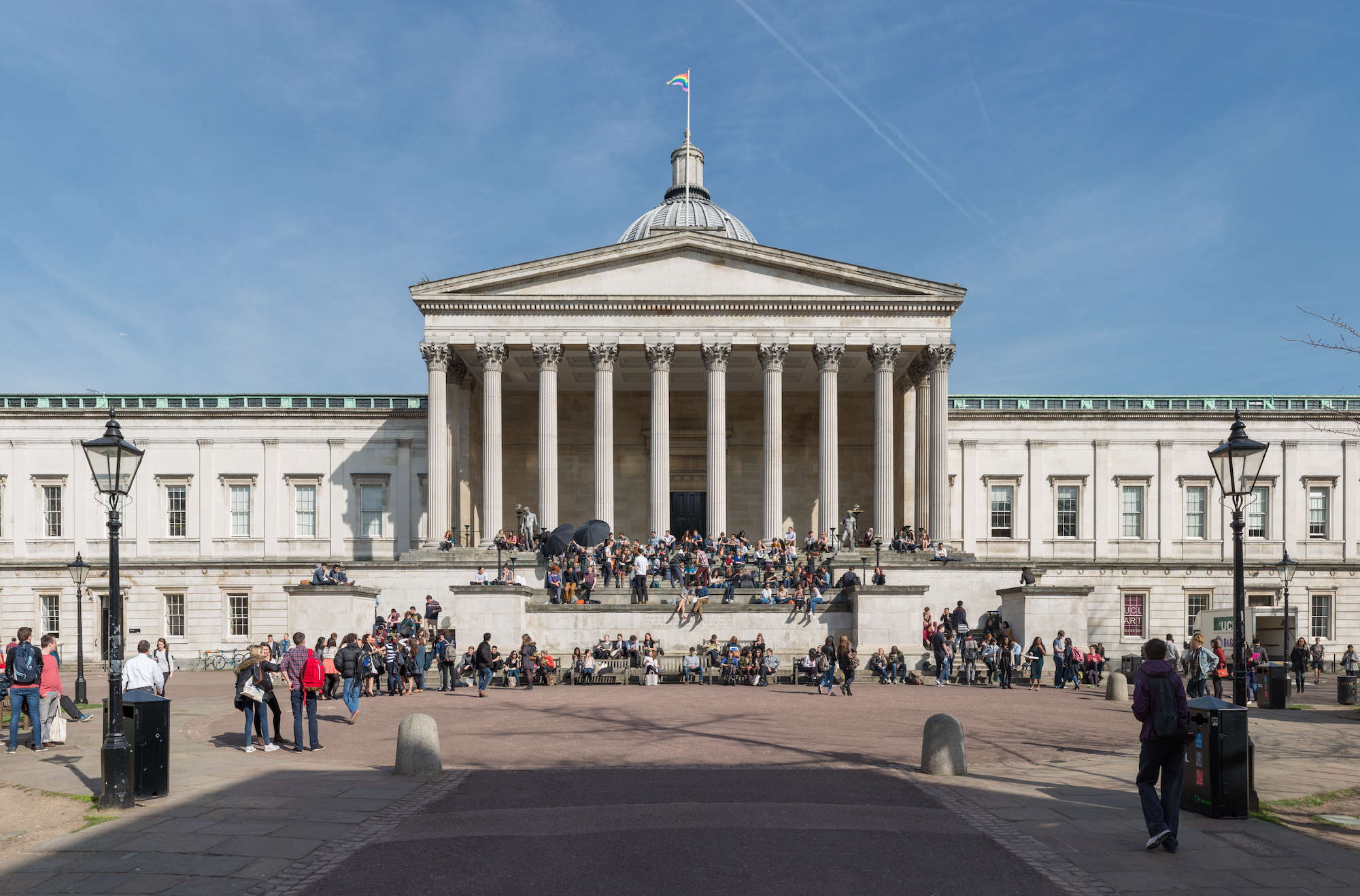
London’s higher education sector is currently hitting a wall of its own making. For years, the business model for capital-based universities relied on a single, high-yield commodity: the international student. This strategy was not just a preference but a survival mechanism designed to offset the long-term freezing of domestic tuition fees. Now, a tightening grip on visa regulations and changing migration policies has effectively choked that revenue stream. The result is a looming fiscal crisis that threatens to hollow out some of the city's most storied institutions.
The math is simple and devastating. While domestic students represent a capped, loss-making venture for many universities, overseas students often pay three to four times the rate for the same degree. When the government restricts the ability of these students to bring family members or raises the financial thresholds for entry, the "London advantage" evaporates. Students who once saw a London degree as a golden ticket are now looking at Australia, Canada, or even mainland Europe, where the welcome mat hasn't been pulled back.
The Overreliance Trap
University finance departments spent a decade betting on perpetual growth. They expanded campuses, built high-end student accommodation, and increased administrative overhead, all predicated on the assumption that the global middle class would continue to send its children to London at any cost. This was a classic volume-based business strategy applied to an intellectual service.
When the Home Office began implementing stricter visa controls to meet migration targets, the fragility of this model became clear. It is not just that fewer students are coming; it is that the type of student is changing. High-net-worth individuals might still come, but the massive cohort of mid-tier international students—those who actually keep the lights on—is looking elsewhere. This shift has left London campuses with massive fixed costs and a shrinking pool of people to pay for them.
The Geographic Penalty
London universities face a unique set of pressures compared to their regional counterparts. The cost of operating in the capital is astronomical. Real estate, staff London-weighting allowances, and general maintenance costs mean that a London university needs a significantly higher margin just to break even.
When international recruitment drops by 20% or 30%, a university in the North of England might feel a squeeze. A university in Bloomsbury or South Kensington feels an existential threat. They cannot simply cut their way to profitability because their biggest costs are baked into the very ground they stand on. We are seeing the beginning of a forced consolidation where smaller, specialized London colleges may have to merge with larger entities just to share the burden of their central London postcodes.
Staffing and the Quality Death Spiral
The first thing to go in a campus credit crunch is the quality of the student experience. We are already seeing hiring freezes and the "voluntary" redundancy of senior faculty across the city. This creates a dangerous feedback loop. As student-to-staff ratios worsen and the prestige of the institution slips, the very "brand" that international students are paying for begins to tarnish.
If a student is paying £30,000 a year in tuition, they expect world-class facilities and access to leading minds. If they instead find themselves in overcrowded lecture halls with overworked adjunct professors, word spreads quickly. In the age of global rankings and social media, a university’s reputation can be destroyed faster than its budget can be balanced. This is the quality death spiral that several London institutions are currently spinning toward.
The Dependent Dilemma
A major factor in the recent downturn was the restriction on dependents. For many postgraduate students—particularly those from Nigeria and India—the ability to bring their families was a non-negotiable part of the value proposition. Higher education isn't just about a piece of paper; for many, it's a family migration strategy.
By removing this option, the UK government didn't just "tidy up" visa numbers. They fundamentally changed the product being sold. The market responded exactly as any economist would expect: demand plummeted. This has hit taught-master's programs the hardest, which are the primary cash cows for many business and social science departments in the city.
Infrastructure and Debt
Beyond the classroom, there is the matter of the "Master Plan." Most major London universities have engaged in massive capital expenditure projects over the last five years. These were often funded by private placements or long-term debt.
The interest on this debt must be serviced regardless of how many students walk through the door. In a high-interest-rate environment, the pressure is immense. We are looking at a scenario where universities may have to sell off prime London real estate—buildings that have been part of their identity for a century—just to meet their quarterly obligations. This is no longer a theoretical risk; it is a live conversation in boardrooms across the city.
Redefining the Value Proposition
The era of "easy money" from overseas recruitment is over. London campuses must now face a reality where they can no longer treat international students as a bottomless ATM. This requires a radical rethink of what a London education is actually worth.
Is it the networking? The proximity to the City? The prestige of the name? If universities cannot answer these questions with concrete value, they will continue to lose market share to global competitors. The current crisis is a painful but perhaps necessary correction for an industry that became addicted to a single, volatile revenue source.
Audit your international recruitment pipelines immediately and prepare for a permanent 15% baseline reduction in overseas enrollment. Universities that fail to diversify their income streams away from tuition fees—focusing instead on commercial research, executive education, and public-private partnerships—will likely not survive the decade in their current form.