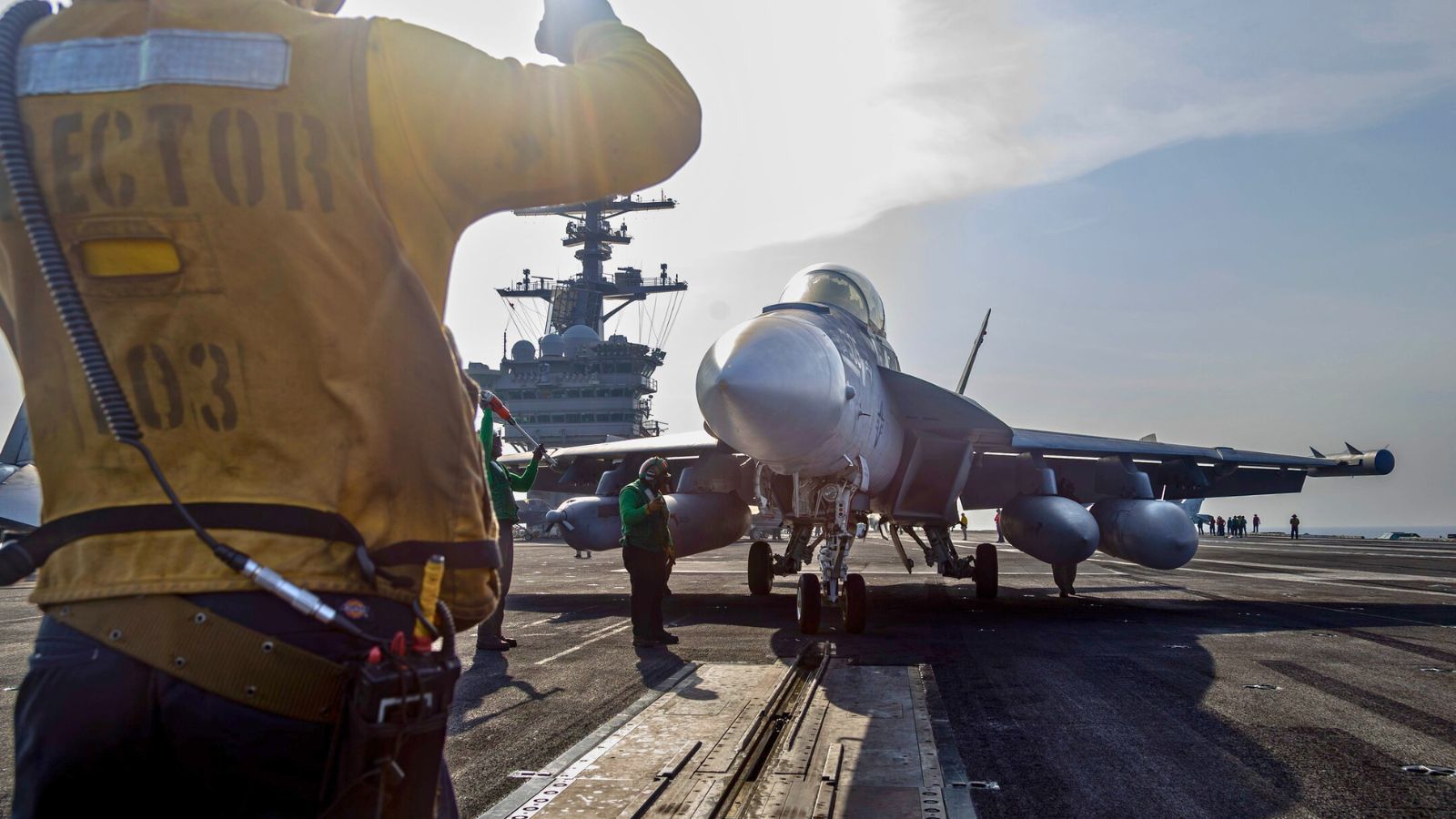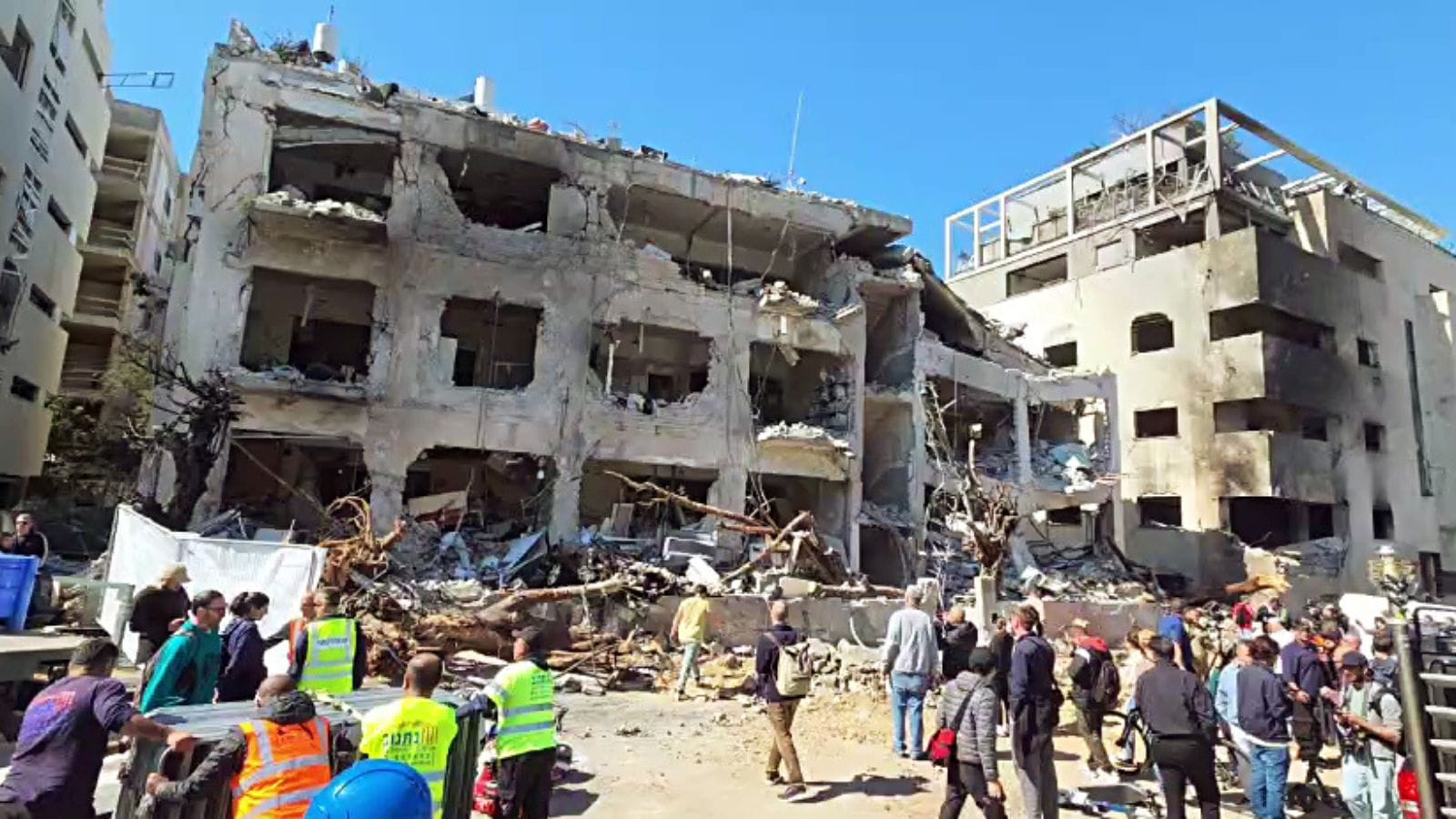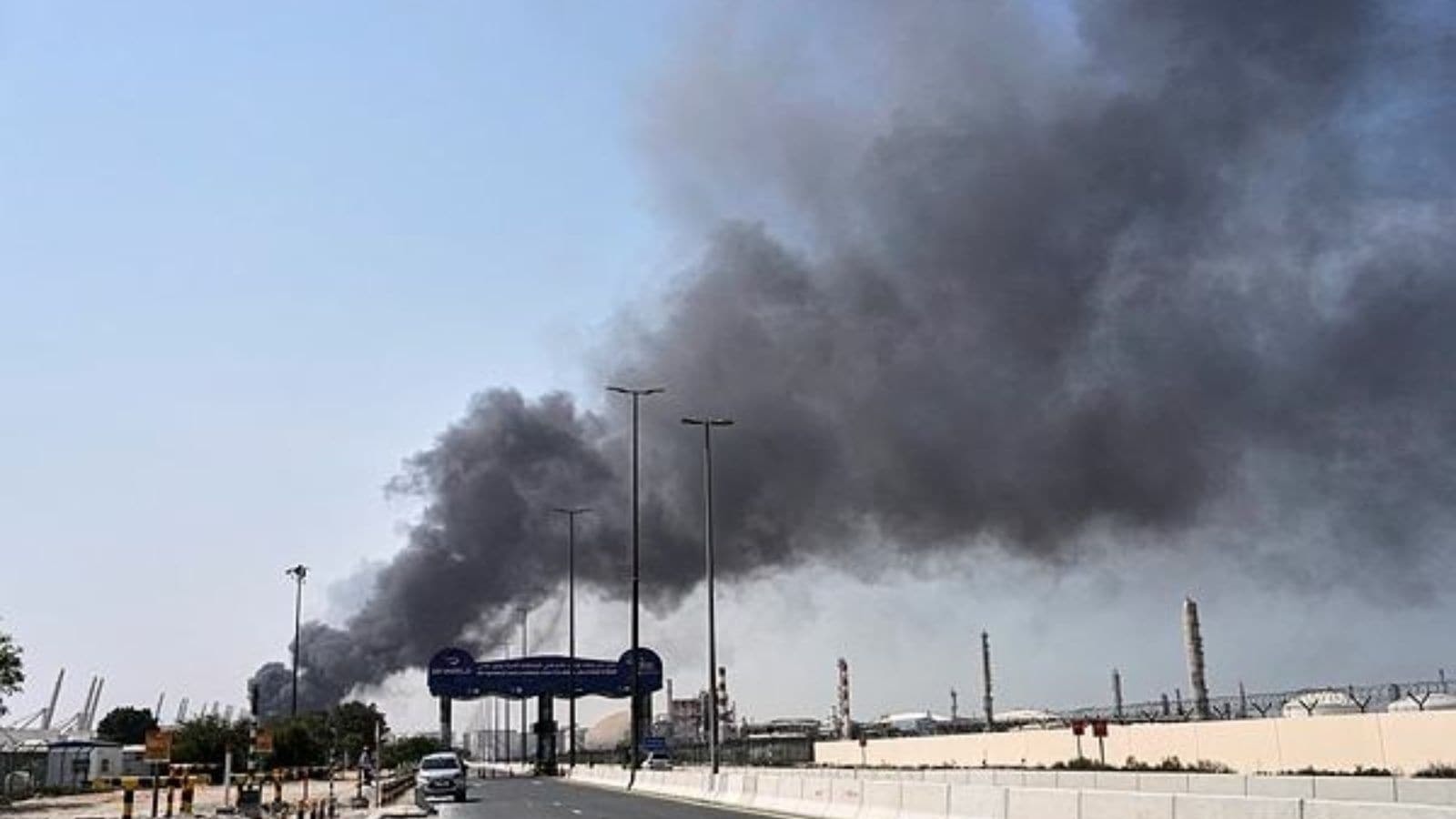
The removal of Ali Khamenei from the Iranian board of play does not merely signal the end of a long-standing autocracy. It represents the total failure of the "Forward Defense" strategy that Tehran spent four decades and billions of dollars perfecting. By bypassing the layers of proxy militias in Lebanon, Iraq, and Yemen to strike the Supreme Leader directly in a high-precision operation, Israel has effectively dismantled the deterrent value of the entire Resistance Axis. This was not a random act of aggression but a calculated demonstration that the traditional rules of asymmetric warfare are dead. Intelligence and technological supremacy have now rendered physical borders and human shields obsolete.
The Intelligence Breach That Shattered an Empire
For years, the Iranian leadership operated under the assumption that deep-seated secrecy and a labyrinthine security apparatus offered absolute protection. That illusion evaporated the moment the first munitions hit. To pull off an operation of this magnitude, the breach had to be internal and absolute. We are looking at a compromise of the Iranian Revolutionary Guard Corps (IRGC) at its highest echelons. You don't hit a target this specific without real-time, ground-level data that bypasses every electronic countermeasure the regime had in place.
The failure is institutional. When a state spends forty years purging moderates and elevating loyalists based on ideological purity rather than competence, it creates a massive blind spot. The IRGC, once a disciplined paramilitary force, transitioned into a bloated business conglomerate. When generals are more concerned with black-market oil contracts and telecommunications monopolies than counter-intelligence, they become easy targets for recruitment or surveillance. The "precise" nature of the strike confirms that the IDF had a digital and physical seat at the table in Tehran.
The Myth of the Asymmetric Advantage
Since 1979, Iran’s primary export has been instability. They understood they couldn't win a conventional war against a Western-aligned power, so they built a ring of fire. Hezbollah, Hamas, and the Houthis were designed to be the armor. The theory was simple: if you touch the head of the snake, the body will squeeze you to death.
Israel just proved the body is too slow to react. By striking the center of gravity directly, they have forced these proxy groups into a state of strategic paralysis. Without a clear line of command from the Office of the Supreme Leader, the funding pipelines and operational directives that keep these groups synchronized are severed. We are seeing a shift from "Grey Zone" warfare back to high-intensity, high-precision decapitation strikes. The era where a state could hide behind a non-state actor to avoid consequences is over.
Kinetic Tech vs Ideological Rigidity
The hardware used in this operation points toward a new generation of munitions that prioritize low collateral damage and high penetrative power. In the past, taking out a high-value target in a densely populated urban center like Tehran would have required a massive bombing campaign, resulting in international condemnation and high civilian casualties. This operation used surgical tools—likely a combination of loitering munitions and specialized bunker-busters—that left the surrounding infrastructure largely intact.
This creates a terrifying precedent for every authoritarian regime currently relying on urban density as a defense mechanism. If you can be picked out of a crowd or a fortified basement without the rest of the block being leveled, your "martyrdom" loses its political utility. It becomes a clinical removal rather than a rallying cry. The technological gap between the hunters and the hunted has become a canyon.
The Vacuum Inside the Vacuum
The immediate question is who steps into the void. The Iranian constitution outlines a path for succession, but the reality is far more volatile. Khamenei was the glue holding competing factions of the IRGC and the traditional clergy together. Without his final word, the regime is now a collection of heavily armed interest groups with no arbiter.
- The Pragmatists: A dwindling group that might see this as an opportunity to pivot toward a deal to save the state.
- The Hardliners: Those within the IRGC who believe only a nuclear breakout can prevent total collapse.
- The Streets: A population that has been waiting for a moment of structural weakness to resume the protests that have simmered since 2022.
None of these groups are in a position to easily seize control without a bloody internal struggle. This internal friction is exactly what the architects of the strike likely anticipated. A distracted Iran is an Iran that cannot project power abroad.
The Redefinition of Deterrence
Western diplomats have spent decades preaching "de-escalation." They argued that killing top-tier Iranian leaders would trigger a regional apocalypse. That theory has been tested and found wanting. When Qasem Soleimani was killed in 2020, the predicted world war never materialized. With Khamenei, the stakes are higher, but the principle remains the same. Power only respects power.
By removing the primary architect of regional chaos, the IDF has reset the clock on Middle Eastern security. This wasn't just a military victory; it was a psychological one. Every leader in the "Resistance Axis" is now checking their shadow. They have realized that their bunkers are not deep enough and their inner circles are not loyal enough.
The Economic Aftershocks of a Fallen Icon
Beyond the smoking ruins in Tehran, the markets are reacting to a new reality. Iran’s role as a disruptor of global energy transit is now under threat. If the IRGC loses its grip on the coastal regions or its ability to command Houthi strikes in the Red Sea, the risk premium on oil could drop significantly. Conversely, any desperate attempt by a dying regime to close the Strait of Hormuz would be met with an international coalition that no longer fears a coordinated Iranian response.
The logistical backbone of the "Land Bridge" from Tehran to the Mediterranean is also crumbling. Without a centralized authority to sign the checks and coordinate the convoys, the militias in Syria and Iraq are suddenly independent contractors without a client. This creates a massive opportunity for regional players like Turkey and Saudi Arabia to reassert influence in areas that were previously Iranian fiefdoms.
The New Rules of Engagement
We are entering a period where intelligence is the only true currency. The physical destruction of an enemy is secondary to the total infiltration of their decision-making process. The IDF operation proves that if you can see everything, you can change everything.
The move away from broad-spectrum warfare toward these hyper-specific, high-consequence operations changes the cost-benefit analysis for every state actor. If the price of sponsoring a proxy war is no longer a sternly worded letter from the UN, but a precision missile through your office window, the incentive structure changes overnight.
The Fragility of Dictatorship
Autocracies are remarkably stable until they aren't. They rely on the perception of invincibility. Once that shell is cracked, the descent is usually vertical. The Iranian people, who have lived under the shadow of the morality police and a failing economy, now see that the men at the top are mortal and vulnerable. This psychological shift is more dangerous to the survival of the Islamic Republic than the missiles themselves.
The regime now faces a choice between a desperate, suicidal escalation or a slow, grinding collapse from within. Given the level of infiltration demonstrated by this strike, even a secret plan for escalation is likely already sitting on a desk in Tel Aviv. The board has been flipped.
Watch the IRGC’s communication channels in the coming days. If they remain silent, it means the decapitation was successful in every sense of the word. If they lash out blindly, it confirms they have lost the ability to conduct professional military operations. Either way, the Middle East of yesterday is gone, and it isn't coming back.
The next few weeks will determine if the IRGC chooses to burn the country down to save the system or if the system is too broken to even strike the match. Examine the movement of high-level assets toward the borders. If the exodus begins, the collapse is already in its final phase.