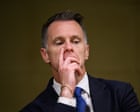
Watch Macquarie Street closely right now and you'll notice a distinct pattern. Chris Minns keeps changing his mind. Critics call it panic, while his closest allies insist the New South Wales Premier is simply "clearing the runway" before voters head back to the polls.
Both explanations miss the full picture. When a state leader drops signature policies, abandons long-held Labor positions, and pivots hard toward the political center, it isn't random chaos. It's cold electoral math. Having covered Australian state politics for over a decade, I've seen plenty of first-term premiers stumble when reality collides with campaign promises, yet Minns is operating with a sharper sense of survival than most. Meanwhile, you can read related stories here: Inside the Silent Siege Threatening Brazil's Isolated Indigenous Tribes.
What Does Clearing the Runway Actually Mean in Politics
Political insiders love aviation metaphors. "Clearing the runway" means identifying every toxic policy, broken promise, or brewing voter grievance early enough to neutralize it before an election campaign officially begins. You take the short-term media hit today so the opposition can't weaponize the issue six months from now.
Panic looks completely different. Panicked governments make erratic, contradictory announcements in the middle of a news cycle without consulting stakeholders or costing the alternatives. They react to tabloid front pages at 6 AM and reverse course by lunch. To understand the bigger picture, check out the excellent article by Al Jazeera.
Minns sits awkwardly between these two poles. Some of his reversals look like disciplined risk management designed to protect marginal seats in Western Sydney. Others smell suspiciously like a government caught off guard by union pushback, budget blowouts, or sudden shifts in public mood.
The Major Chris Minns Policy Backflips You Need to Know
To judge whether the NSW Premier is a master strategist or a leader losing his grip, you have to look at the actual track record. A single U-turn is pragmatism. Half a dozen starts looking like a habit.
The Rosehill Racecourse Redevelopment Collapse
Few proposals carried more personal political capital for Minns than the plan to turn Rosehill Gardens into a mini-city with 25,000 new homes and a dedicated Metro station. The Premier backed the Australian Turf Club's unsolicited proposal enthusiastically, framing it as a bold solution to Sydney's housing crisis.
Then reality hit. Racing industry figures revolted, warning the sale would gut horse racing in NSW. Upper House inquiries raised sharp questions about transparency and lobbying. Eventually, Australian Turf Club members voted the proposal down themselves, leaving the government scrambling to rethink its Metro West station strategy without the massive housing windfall it had banked on. Minns didn't strictly announce the backflip himself, yet his rapid pivot away from the project showed how quickly a flagship housing idea can evaporate when local resistance hardens.
Public Sector Wages and Union Friction
Labor took office in 2023 promising to scrap the Coalition's rigid public sector wages cap. That pledge helped sweep Minns into power on the back of fierce campaigns by nurses, teachers, and paramedics.
Once in government, treasury realities bit hard. The administration quickly realized NSW couldn't afford double-digit pay rises across every frontline workforce simultaneously without blowing out state debt or gutting infrastructure spending. What followed was a bruising standoff with the Rail, Tram and Bus Union, nurses, and psychiatrists. The government shifted from championing wage freedom to enforcing strict multi-year pay envelopes, frustrating union bosses who felt betrayed by a party they helped elect.
Environmental and Wildlife Policy Retreats
Environmental groups have had plenty of reasons to accuse Minns of walking backward. During the 2023 election campaign, Labor committed to creating the Great Koala National Park on the Mid North Coast, a major promise aimed at halting native forest logging in critical habitats.
Months stretched into years without firm boundaries or an immediate logging moratorium. Timber industry pressure and regional job anxieties slowed the process to a crawl, sparking protests from conservationists and internal dissent among Labor's own left-wing members. Add in the government's hesitant approach to native forestry broadly, and you see a Premier terrified of losing regional and outer-suburban working-class voters over green policies.
Tax Tweaks and Cost of Living Pivots
Minns also walked back or adjusted several fiscal stances inherited from the Perrottet era. Labor opposed the former government's broad-based land tax option for first-home buyers, scrapping it immediately upon taking office in favor of expanded stamp duty exemptions and thresholds. While technically fulfilling an election pledge, the move drew fierce criticism from economists at the Grattan Institute and Productivity Commission who argued stamp duty reform was essential for housing affordability. Later adjustments to investor land tax thresholds and toll relief caps showed a government constantly recalibrating as budget pressures mounted.
Why Voters Punish Indecision More Than Unpopular Choices
Here's something political strategists often forget when they obsess over focus groups. Voters can forgive a leader for making a tough, unpopular decision if the reasoning makes sense. They rarely forgive a leader who looks like they don't know what they believe in.
Think about former NSW Premiers who lasted. Bob Carr governed for a decade not because everyone loved his policies, but because he projected absolute authority and ideological clarity. Even Gladys Berejiklian maintained high approval ratings for years by appearing decisive under pressure, right up until integrity investigations ended her career.
When a government reverses course repeatedly, two damaging narratives take hold:
- Competence erosion. If you didn't spot the flaw in your own policy before announcing it, why should voters trust you to manage a $120 billion state budget?
- Conviction deficit. Voters start suspecting the Premier has no core compass beyond whatever the latest polling from Parramatta or Penrith tells him to say.
Once those labels stick, every subsequent compromise looks like weakness rather than maturity.
The Western Sydney Factor Driving Every Move
You can't understand Chris Minns without looking at a map of Western Sydney. NSW elections are won and lost along the M4 and M5 corridors, in seats like Penrith, Camden, Riverstone, and East Hills.
Voters in these suburbs care deeply about toll roads, mortgage rates, hospital wait times, and school classrooms. They care far less about inner-city progressive orthodoxy. Minns knows this instinctively. His political instincts were forged in Kogarah, a southern Sydney electorate that mirrors the aspirations and anxieties of middle-ring families.
Every time Minns retreats from a green policy, toughens bail laws for youth offenders, or resists public sector union demands that might trigger tax hikes, he's speaking directly to outer-suburban mortgage holders. From his perspective, alienating inner-west progressives who might drift to the Greens is a manageable risk, provided Labor preferences flow back anyway. Losing Western Sydney to the Liberal Party means instant opposition.
That explains why so many of his backflips tilt rightward or toward fiscal conservatism. He isn't stumbling blindly; he's ruthlessly prioritizing the exact cohort of swing voters who decide who sits in the Premier's chair.
How the NSW Coalition Is Trying to Exploit the Reversals
An opposition doesn't need brilliant new policies when the government keeps tripping over its own shoelaces. Under Mark Speakman, the NSW Liberal-National Coalition has hammered a simple message: you can't trust what Chris Minns says today because he'll change it tomorrow.
The Coalition's strategy focuses on three attack lines:
- Highlighting broken commitments on industrial relations and transport disruption whenever Sydney trains grind to a halt.
- Framing housing targets as unachievable fantasies after flagship sites like Rosehill fell apart.
- Arguing that cost-of-living relief has been swallowed up by rising state taxes, fees, and toll road delays.
Yet the opposition faces its own massive hurdle. Voters haven't forgotten the internal divisions and policy drift that plagued the Coalition's final years in office. Attacking Minns for backflipping only works if voters believe the alternative offers steady, credible leadership. Right now, many NSW residents remain unconvinced on both fronts.
What History Tells Us About First-Term Reversals
Australian political history offers mixed lessons for leaders who execute mid-term U-turns. Sometimes clearing the decks works brilliantly.
In Victoria, Daniel Andrews famously tore up the East West Link contracts upon taking office in 2014, absorbing massive financial penalties and furious media criticism early in his first term. By the 2018 election, voters had moved on, and Andrews won a landslide victory. At the federal level, Anthony Albanese broke his election promise on the Stage 3 tax cuts in early 2024, risking enormous political blowback to reshape the package for middle-income earners. The short-term outrage faded once tax relief hit bank accounts.
Contrast that with leaders whose reversals looked reactive rather than purposeful. When former NSW Premier Dominic Perrottet struggled to contain internal party infighting over gaming machine reform and preselection battles, late-term policy shifts looked desperate rather than strategic. Voters sensed instability and booted the government out.
The difference comes down to storytelling. Successful U-turns require a leader to look voters in the eye, admit circumstances changed, and explain why the new path serves the public interest. Quietly burying policies on a Friday afternoon or blaming external forces rarely buys goodwill.
How to Spot Strategy Versus Panic in Political Pivots
Next time you see headlines declaring another Chris Minns backflip, run it through a quick mental checklist instead of buying into the partisan spin from either side:
- Check the timing. Policy dumps happening 12 to 18 months out from an election are almost always deliberate runway clearing. Reversals happening inside a six-month election window usually signal genuine panic.
- Follow the budget papers. If a backflip saves hundreds of millions in recurrent spending, Treasury pushed it. If it costs money with no clear revenue offset, political fear drove it.
- Watch who complains loudest. When union leaders or party activists fume while marginal-seat MPs stay quiet, Minns is executing a calculated centrist play. When backbenchers in swing seats start leaking to journalists, the Premier is genuinely in trouble.
- Look for a replacement plan. Strategic leaders replace a scrapped policy with a clear alternative on the exact same day. Panicked leaders simply cancel the old plan and promise a review.
Keep your eye on how Minns handles Sydney's rail negotiations, housing approvals across transport hubs, and the final shape of the Great Koala National Park over the coming months. Those three files will tell you everything you need to know about whether NSW has a calculating tactician steering the ship or a Premier simply trying to survive the next news cycle.