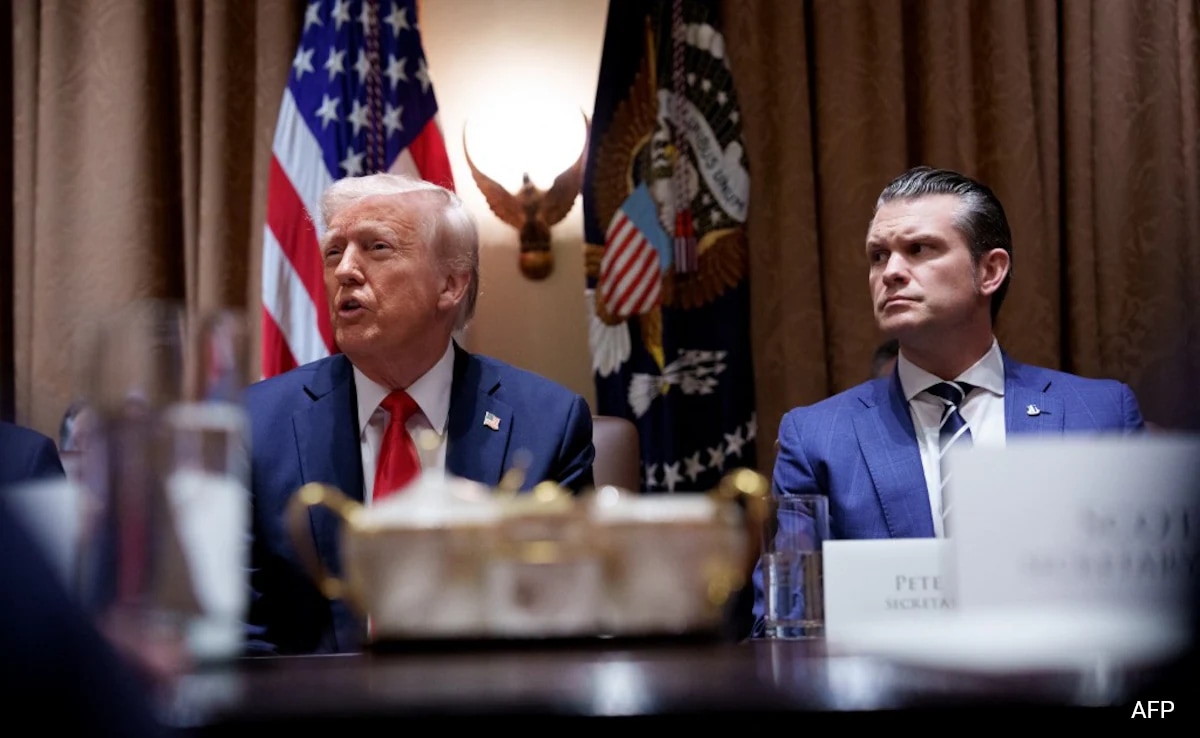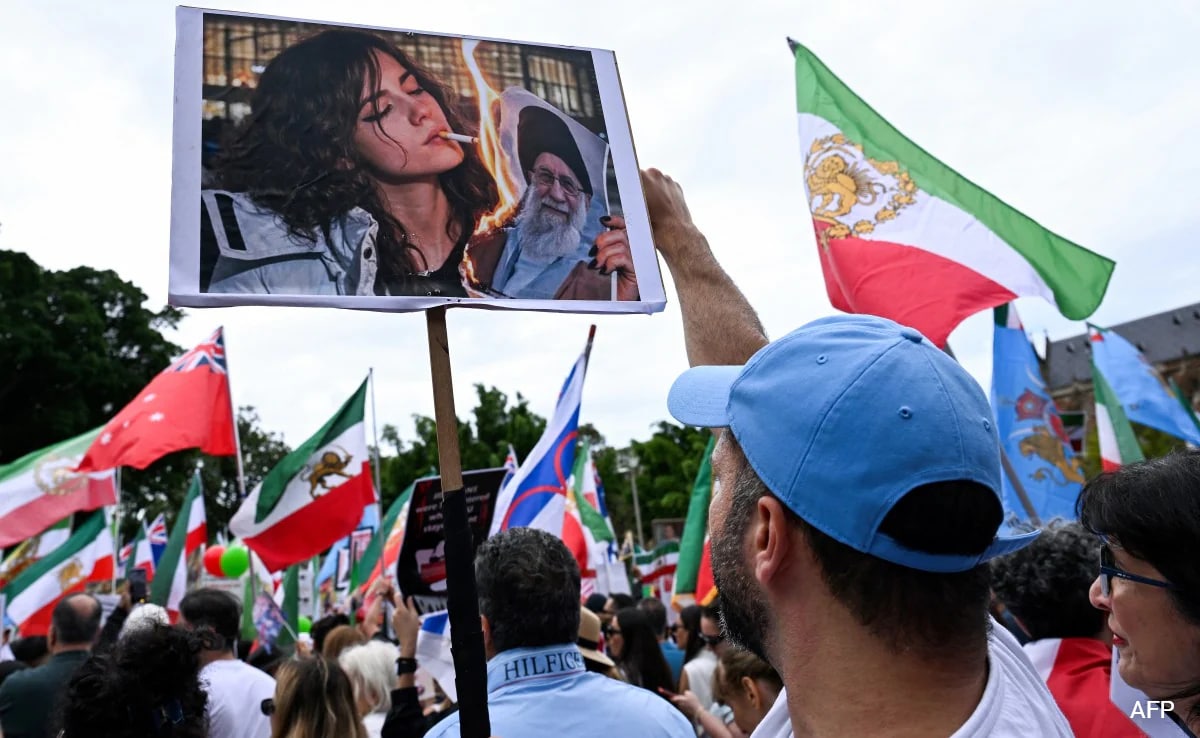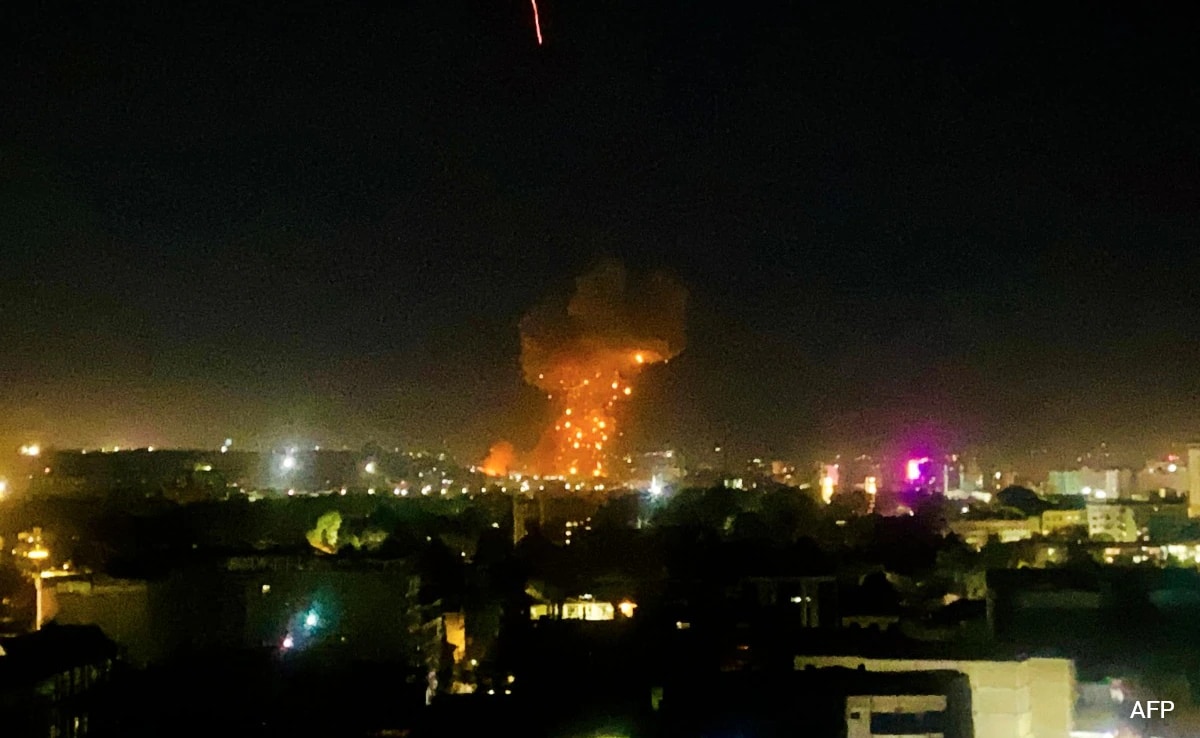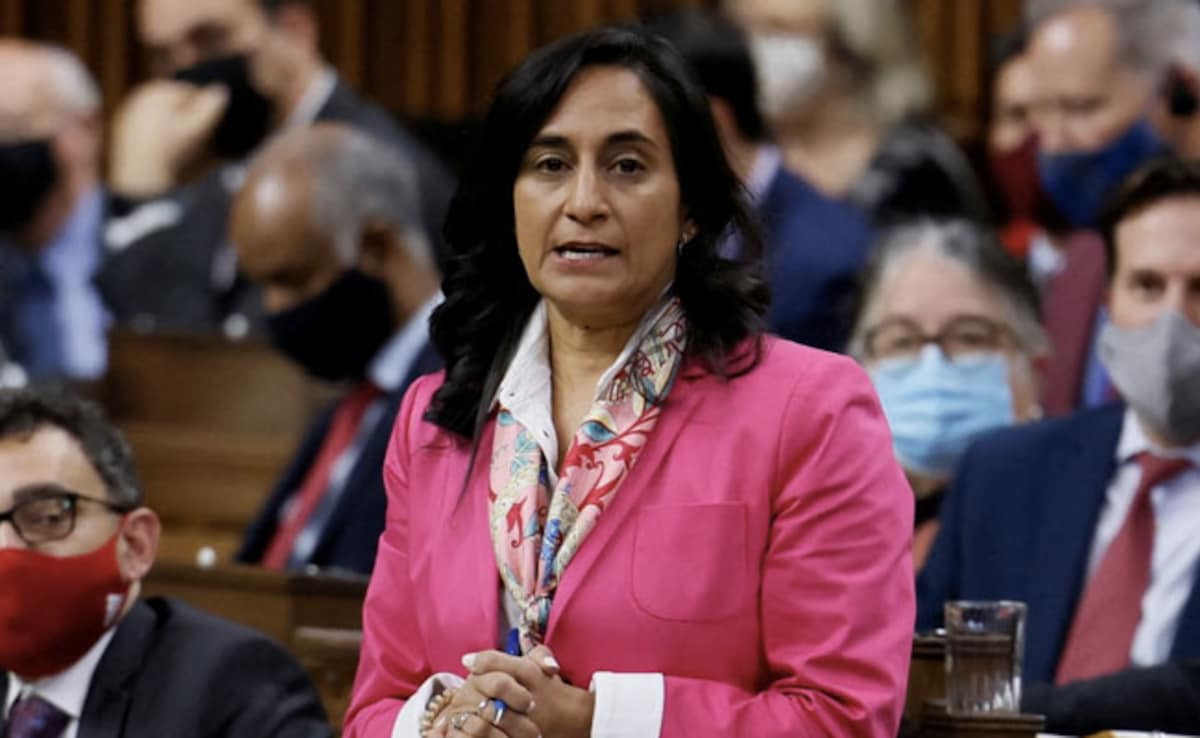
Ottawa isn't playing along this time. When news broke that the United States moved toward military escalation regarding Iran, the silence from the Canadian side was deafening—until it wasn't. The federal government has made its position crystal clear. Canada was not consulted on the latest offensive strikes and has no intention of joining any new war in the Middle East. It’s a bold line in the sand that marks a shift in how we handle our most powerful neighbor.
For decades, the world assumed Canada would just nod and follow whenever Washington decided to move troops. That era is over. Prime Minister Justin Trudeau and Foreign Affairs Minister Mélanie Joly have signaled that while the alliance remains, the "blank check" for military adventurism is officially cancelled. This isn't just about one specific strike. It’s about Canada’s identity on the global stage.
The Consultation Gap and Why It Matters
The most jarring part of this recent escalation wasn't the military action itself. It was the fact that Canada, a key NATO ally and a member of the Five Eyes intelligence community, found out about the offensive through the media. That’s not how a partnership is supposed to work. When one country acts in a way that could ignite a regional firestorm, its closest neighbors usually get a heads-up.
This lack of communication puts Canadian personnel in the region at massive risk. We still have hundreds of soldiers stationed in Iraq and surrounding areas as part of Operation IMPACT. These men and women are there for training and stabilization, not for a direct shoot-out with Iranian-backed forces. By acting unilaterally, the U.S. essentially moved the goalposts without telling the team.
Canada’s refusal to join is a survival tactic. If we aren't at the table when the decisions are made, we won't be in the trenches when the consequences arrive. It’s a logical, albeit frosty, response to being left in the dark.
Shifting From Offensive to Defensive Reality
The distinction between "offensive action" and "defensive posture" is where the legal and political heavy lifting happens. Canada hasn't turned pacifist overnight. We are still deeply involved in maritime security and counter-terrorism. But there is a massive gulf between protecting shipping lanes in the Red Sea and launching pre-emptive strikes on sovereign territory.
Military experts in Ottawa are pointing to the failures of the early 2000s as a roadmap of what not to do. You might remember when Canada sat out the 2003 invasion of Iraq. At the time, it was a massive point of contention with the Bush administration. Looking back, it was one of the smartest foreign policy decisions this country ever made. It saved lives, billions of dollars, and our international reputation.
We’re seeing a repeat of that logic now. The current strategy is simple. We stay focused on diplomacy, humanitarian aid, and de-escalation. If the situation turns into an all-out regional war, Canada wants to be the one holding the fire extinguisher, not the one pouring gasoline.
Public Opinion and the Domestic Pressure Cooker
Don't think for a second that this is only about international relations. Domestic politics are driving this bus too. Canadians are tired. We’re dealing with a housing crisis, inflation that won't quit, and a healthcare system on life support. The last thing the average person in Toronto or Vancouver wants to hear is that we’re spending millions to join another "forever war" in the Middle East.
Recent polling suggests that a vast majority of Canadians prefer a "Canada First" approach to the military. They want the Canadian Armed Forces (CAF) used for domestic emergencies—like the record-breaking wildfire seasons we keep having—rather than overseas skirmishes that don't have a clear exit strategy.
Political leaders across the spectrum, including the NDP and even some Conservatives, have expressed varying degrees of skepticism about unprovoked military involvement. It’s rare to see this much alignment in the House of Commons, but nobody wants to be the one who signed off on a conflict that the public didn't ask for and doesn't support.
The CAF Readiness Crisis
Beyond the politics, there is a harsh reality that often gets ignored in these high-level discussions. Our military is stretched thin. We have a massive recruitment shortage and equipment that, quite frankly, belongs in a museum. Asking the CAF to join an offensive campaign against a sophisticated adversary like Iran isn't just a political question—it’s a logistical nightmare.
We are currently struggling to maintain our commitments to Latvia and our presence in the Indo-Pacific. Adding a new front in the Middle East would break the back of our current military structure. By saying "no" to offensive action, the government is also admitting that we simply don't have the capacity to play the role of a global policeman anymore.
Instead of pretending we can do it all, the focus has shifted to "niche" contributions. This means intelligence sharing, cyber defense, and specialized training. It’s less flashy than a carrier strike group, but it’s more sustainable and fits our actual budget.
The Long Game of Canadian Diplomacy
What happens next? The relationship with the U.S. will be awkward for a while. There will be whispers in the Pentagon about Canada being an "unreliable partner." But history shows that these tensions are temporary. The economic ties between our two countries are too deep for a single foreign policy disagreement to ruin everything.
Canada is betting on the long game. By staying out of the fray, we keep our seat as a potential mediator. We keep our soldiers safe. Most importantly, we maintain our sovereignty. We aren't a satellite state. We’re a G7 nation with our own interests and our own moral compass.
If you’re watching the headlines, don't expect a sudden reversal. The government’s stance is firm. We aren't looking for a fight, and we won't be dragged into one just because someone else started it.
Keep an eye on the official statements from Global Affairs Canada over the next month. You’ll see a continued emphasis on "regional stability" and "diplomatic channels." That’s code for "we’re staying out of it." If you want to stay informed on how this impacts our trade and border security, start looking at the upcoming bilateral meetings scheduled for the fall. That’s where the real fallout—or reconciliation—will happen. For now, the best move is to support the diplomatic efforts that keep our name off the casualty lists.