You are about to waste two hundred dollars on a plastic box with a purple light.
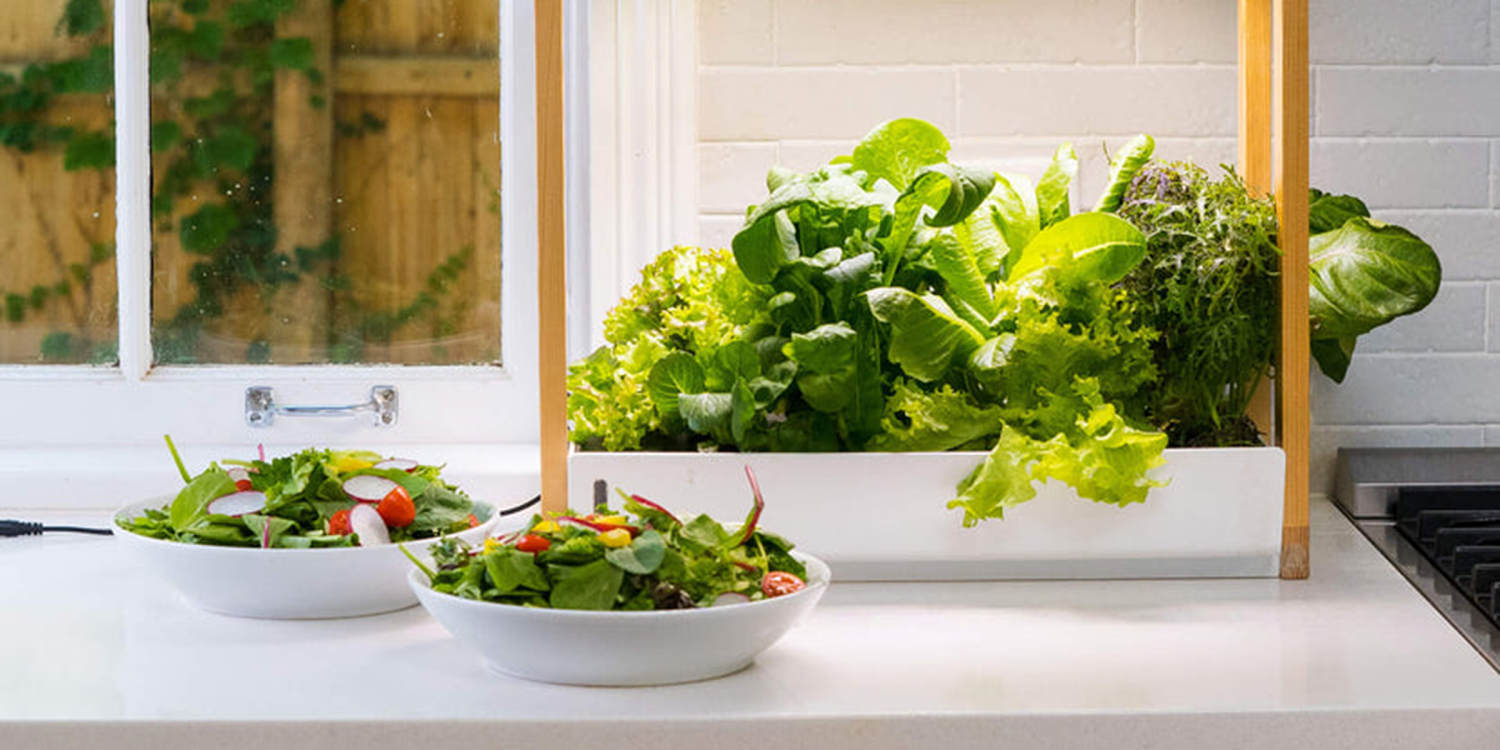
Every lifestyle blog and gadget review site on the internet will tell you the same comforting lie: buying a sleek, countertop hydroponic pod is your ticket to a self-sustaining urban paradise. They show you glossy photos of pristine white plastic units sprouting Instagram-ready dwarf basil and sad, spindly butterhead lettuce. They call it fresh produce at home. They call it empowering.
It is a glorified nightlight for overpriced weeds.
I have spent the last decade tearing apart indoor growing systems, analyzing yield economics, and watching well-meaning people abandon these plastic gadgets to accumulate dust in the back of their pantries. The lazy consensus in the gardening kit industry is that convenience equals success. It does not. Convenience equals fragility.
When you buy a plug-and-play kit with pre-seeded pods, you are not learning how to grow food. You are subscribing to an expensive, proprietary ecosystem of plastic seed pods and nutrient solution refills that cost more per ounce than the finest produce at a high-end specialty market. You are locked into a vendor's supply chain just to harvest enough cilantro to garnish three fish tacos.
Let us look at the actual physics and economics of what is happening on your kitchen counter.
The Wattage Trap and the Sun Substitute
The fundamental flaw of the indoor gardening kit is photon economics. Sunlight hitting the earth delivers roughly one thousand watts of energy per square meter, pumping out a dense spectrum of photons that plants use to build complex cellular structures. Your USB-powered or wall-plugged LED countertop unit is pushing a fraction of that intensity.
Manufacturers love to talk about full-spectrum LEDs. They omit the part about inverse square law. Light intensity drops off dramatically the moment you move even a few inches away from the diode. By the time your tomato plant reaches the top of the adjustable arm on your compact kit, the lower leaves are starving in the shadows.
You end up with leggy, etiolated stems desperately stretching toward a low-intensity diode, producing a meager handful of fruit that tastes watery and disappointing. Real agriculture requires high daily light integrals. Countertop toys provide a pale imitation.
If you want to grow actual food indoors, you have to stop looking at lifestyle gadgets designed for apartment dwellers who are afraid of dirt. You have to look at the mechanics of controlled environment agriculture.
The Closed-System Delusion
The marketing pitch for these kits relies on a seductive promise: zero mess, zero bugs, zero effort.
Nature rejects closed systems. The moment you introduce stagnant nutrient water, a warm indoor environment, and artificial light into a compact plastic basin, you create an incubator for microbial life. Within three weeks of setting up a standard pod system, you are likely dealing with either algae bloom choking your roots or a sudden infestation of fungus gnats hatching from the peat sponges.
The standard advice from customer support is to empty the reservoir, scrub the plastic, and start over with a fresh packet of chemical nutrients. That is not gardening. That is dishwashing with extra steps.
Real growing involves biology, not just following an instruction manual printed in Shenzhen. When you manage a living system, you have to understand electrical conductivity, pH drift, and transpiration rates.
Let us break down what those terms actually mean in practice:
- Electrical Conductivity (EC): This measures the total concentration of dissolved salts in your water. If your EC is too high, you burn the roots. If it is too low, the plant starves. Pre-made kits hide this behind generic "add capful A and capful B" instructions, robbing you of the understanding you need when things inevitably go wrong.
- pH Drift: Plants constantly alter the acidity of their water environment by taking up specific ions. If your pH swings outside the 5.5 to 6.5 sweet spot, nutrient lock-in occurs. The plant can be sitting in a pool of nitrogen, yet display severe deficiency symptoms because the chemical bonds have shifted beyond its ability to absorb them.
- Transpiration Rates: Water moves up the plant and exits through the leaves based on vapor pressure deficit. In a sealed kitchen environment with dry winter heating or heavy summer air conditioning, your indoor greens transpire faster than their underdeveloped root systems can pump water, leading to tip burn.
The Economics of a Single Salad
Let us do the math that the glowing reviews conveniently ignore.
A popular countertop smart garden costs around three hundred dollars upfront. The replacement seed pod kits run roughly twenty dollars for six small pods. Each pod yields a few grams of greens before the plant exhausts itself and bolts.
Imagine a scenario where you consume two salads a week utilizing greens grown exclusively from this apparatus. Over the course of a year, factoring in the hardware amortization, proprietary pod refills, and electricity costs, your homegrown lettuce is costing you roughly forty dollars a pound.
You could buy organic, locally sourced, pesticide-free greens from a farmers market run by a generational grower, support your local agricultural economy, and still have money left over.
The defense from gadget enthusiasts is always the same: "It is about the therapeutic experience of watching things grow."
Fine. If you want therapy, buy a houseplant. A pothos or a snake plant will survive your neglect, clean your indoor air, and cost a fraction of the price. If you want to grow produce, stop outsourcing your intelligence to a appliance manufacturer.
What You Should Do Instead
If you genuinely want to break free from the industrial food supply chain and produce fresh greens inside your home, abandon the appliance aisle. Go to a commercial hydroponics supplier or a hardware store.
Build a simple, modular Deep Water Culture bucket or a vertical Drip system using food-grade buckets, an external air pump, and a standalone LED shop light suspended from your ceiling. You will gain total control over your nutrient profiles, double your growing footprint, and slash your input costs by ninety percent.
You will make mistakes. Your first batch might fail because you miscalculated your nutrient ratios. Your living room might look slightly less like a minimalist Scandinavian showroom and slightly more like an active workshop.
Good. Real growing is messy, technical, and deeply rewarding precisely because it requires actual skill.
Throw away the plastic pods. Turn off the designer purple lights. Build a real system or buy your vegetables from someone who knows how to use the sun.