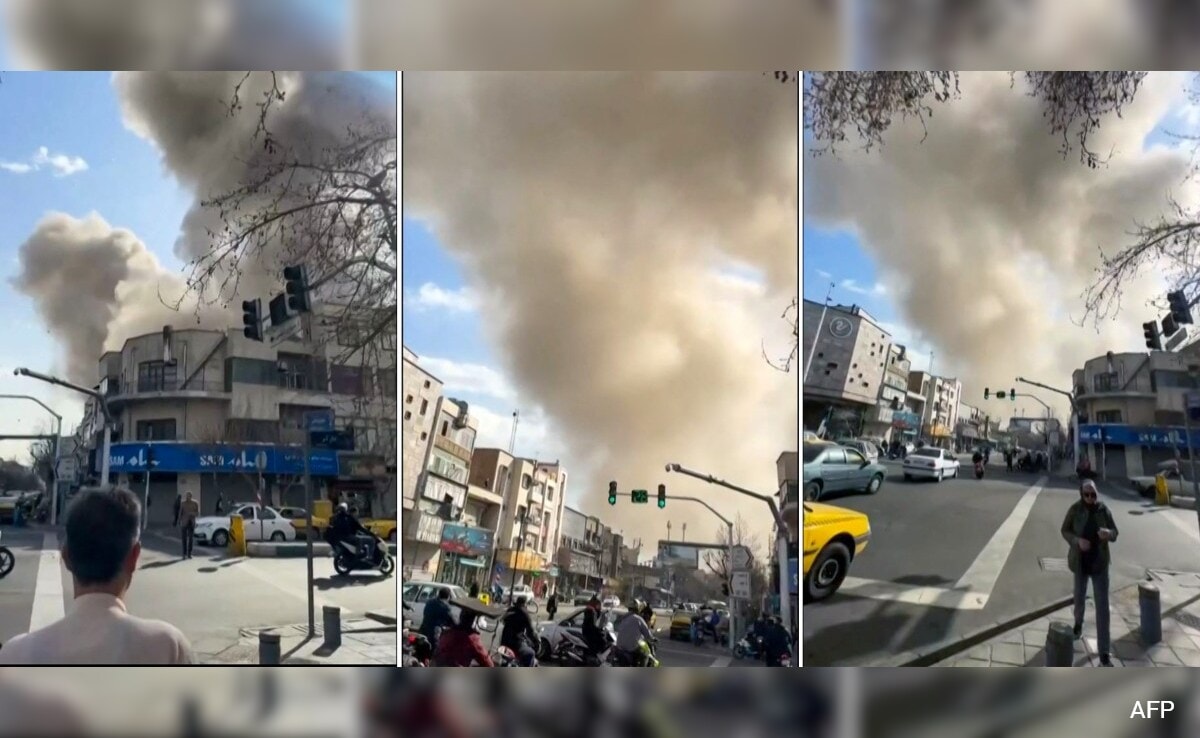
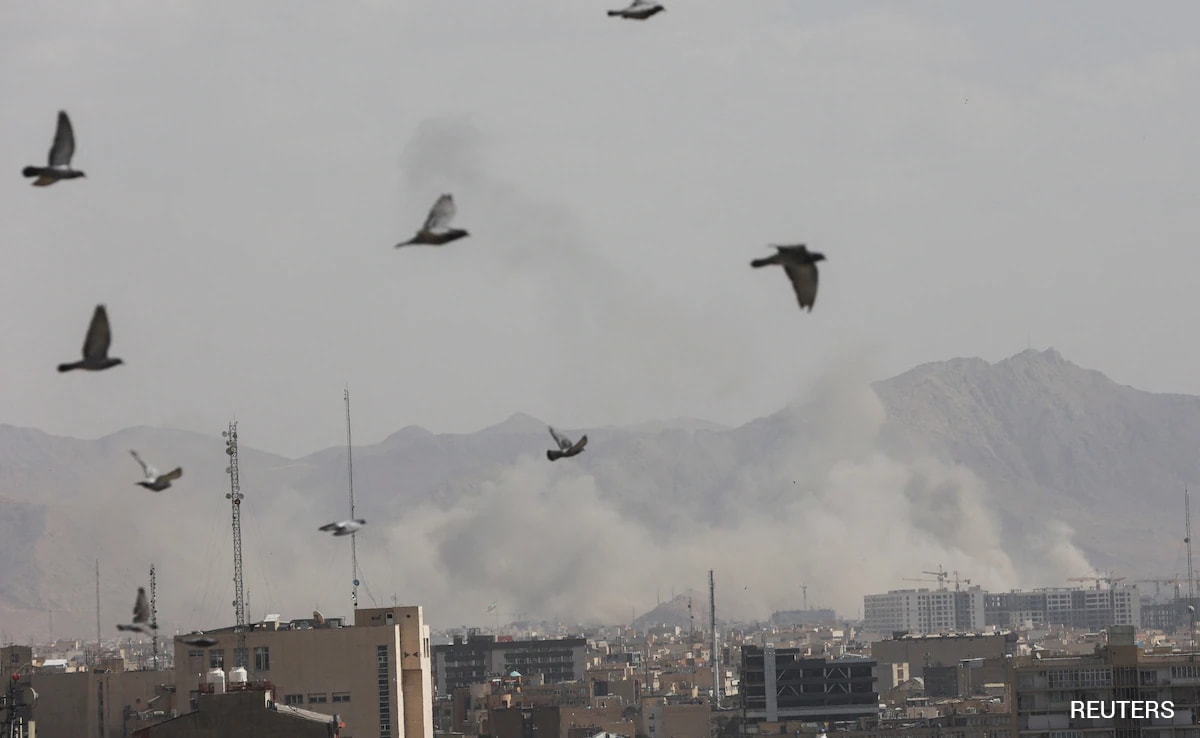
The United States has just assembled its largest naval and aerial strike force in the Middle East since the 2003 invasion of Iraq. As of March 1, 2026, the Pentagon has consolidated roughly 50,000 troops, two massive aircraft carrier strike groups, and hundreds of advanced fighter jets into a region that is no longer just "tense," but actively at war. This is not a drill or a routine patrol. Following the February 28 joint U.S.-Israeli strikes on Iranian nuclear and command centers—and the subsequent death of Supreme Leader Ali Khamenei—the "armada" promised by the Trump administration is now the primary engine of a campaign aimed at nothing less than regime change.
The Floating Fortresses
The center of gravity for American power currently sits in the Arabian Sea and the Eastern Mediterranean. For the first time in years, the Navy has deployed a dual-carrier posture to squeeze the Iranian mainland from both sides. If you found value in this post, you should check out: this related article.
The USS Abraham Lincoln (CVN-72) and its accompanying Strike Group 3 have been the primary vanguard since late January. After a high-speed transit from the South China Sea, the Lincoln brought 5,700 personnel and a full air wing of F-35C Lightning IIs and F/A-18E/F Super Hornets. It is currently positioned to dominate the Gulf of Oman and the North Arabian Sea.
On the other side of the theater, the USS Gerald R. Ford (CVN-78)—the most technologically advanced carrier in the world—has moved into the Mediterranean. Its presence effectively turns the Eastern Med into a secondary launchpad. By utilizing 14 USAF refueling tankers currently operating out of Israel’s Ben Gurion Airport, the Ford’s aircraft can now reach deep into Iranian territory, a distance that usually limits carrier-based operations. For another look on this event, refer to the recent update from The Washington Post.
Together, these two groups bring more than 150 strike aircraft and 17 surface warships, including Arleigh Burke-class destroyers like the USS Spruance and USS Michael Murphy. These destroyers are more than just escorts; they are the primary delivery systems for Tomahawk cruise missiles, dozens of which were launched during the opening salvos of the current campaign.
The Silent Bases and the Israel Shift
While the carriers grab the headlines, the real story of the 2026 buildup is the fundamental shift in land-based strategy. For decades, the U.S. relied on a "lily pad" network of bases across the Gulf—Al Udeid in Qatar, Camp Arifjan in Kuwait, and the 5th Fleet headquarters in Bahrain.
That map has changed.
In the days leading up to the February 28 strikes, the U.S. began a quiet but massive evacuation of non-essential personnel from these "frontline" bases. Satellite imagery recently confirmed that the 5th Fleet headquarters in Bahrain was reduced to fewer than 100 mission-critical staff. All U.S. ships based in Bahrain have left port to avoid being "sitting ducks" for Iranian ballistic missile retaliation.
Instead, the U.S. has moved its most lethal assets to Ovda Airbase in southern Israel. This marks the first time offensive American weaponry—specifically a squadron of F-22 Raptors—has been permanently stationed on Israeli soil for active combat. Ovda offers something the Gulf bases don't: hardened aircraft shelters and the protection of Israel’s multi-layered missile defense "bubble."
Key Land-Based Hubs in 2026
- Muwaffaq Salti Air Base, Jordan: Now houses over 50 aircraft, including F-15E Strike Eagles and RAF Eurofighter Typhoons. It serves as the primary hub for the 332nd Air Expeditionary Wing.
- Al Udeid, Qatar: Still the forward HQ for CENTCOM with 10,000 troops, but its role has shifted toward heavy lifting and logistics, with many high-value combat jets moved to safer locations.
- Prince Sultan Air Base, Saudi Arabia: Houses Patriot and THAAD missile batteries intended to protect the oil infrastructure and U.S. Army assets from the inevitable swarm of Iranian drones.
Why This Buildup is Different
This isn't the deterrence of 2019 or the containment of the 2010s. The 2026 posture is built for sequencing, not signaling. In past standoffs, the U.S. would move a carrier to "send a message." Today, the assets are positioned to sustain a "massive, ongoing air campaign" as described by the White House.
The logistical tail is staggering. C-17 Globemasters and C-5 Super Galaxies have been flying near-constant sorties from Europe to the Middle East, moving everything from spare parts for stealth coatings to thousands of tons of precision-guided munitions. This isn't just about starting a war; it's about the ability to finish one.
The introduction of "Wild Weasel" units—F-16s specialized in destroying enemy air defenses—indicates that the U.S. expects a sophisticated fight. Iran’s S-300 systems and indigenous Bavar-373 batteries remain a threat, and the U.S. has dedicated multiple squadrons of F-35s and F-16s specifically to "kick down the door" for the heavier bombers.
The Hidden Vulnerabilities
Despite the overwhelming firepower, the U.S. is facing a tactical nightmare. Iran has already responded to the initial strikes by targeting 14 different U.S. positions across the region with Emad and Ghadr ballistic missiles. While many were intercepted, the sheer volume of "one-way" attack drones—like the Shahed series—threatens to overwhelm even the most advanced Aegis defenses.
The U.S. has already seen the first combat use of its own LUCAS one-way attack drones in the Iran strikes, moving toward a "swarm vs. swarm" reality.
There is also the "Strait of Hormuz" problem. The IRGC Navy has already begun live-fire drills and attempted to close the waterway, a move that could strangle global energy markets in days. Unlike 2003, where the U.S. had months to build up "iron mountains" of supplies in Kuwait, the current conflict is being fought from a more dispersed, maritime-heavy posture to avoid the easy targets of fixed bases.
The Strategic Gamble
The U.S. has bet everything on the idea that high-tech decapitation strikes and overwhelming airpower can force a regime to collapse without a massive ground invasion. The 50,000 troops currently in-theater are largely support, aircrews, and special operations forces—not the hundreds of thousands of infantry required for an occupation.
This is "Desert Fox" on steroids. The goal is to shatter the IRGC’s command structure and wait for the internal protests—which have rocked Tehran for months—to do the rest. But as any veteran of the last two decades in the Middle East will tell you, the enemy always gets a vote. With the death of Khamenei, the IRGC may no longer be a unified force, but a collection of vengeful, well-armed factions with nothing left to lose.
The American armada is now fully committed. There is no "off-ramp" currently visible, and the hardware on the water suggests Washington isn't looking for one.
Would you like me to map out the specific Iranian retaliatory capabilities against these U.S. assets?