The media narrative surrounding the tragic deaths of the two Australian brothers and their American friend in Baja California Sur followed a predictable, lazy script. Headlines screamed about escalating cartel violence, lawless Mexican backwaters, and the inherent peril of chasing waves off the beaten path. Tourists clutched their pearls, canceled flights, and retreated to sanitized all-inclusive compounds in Cabo San Lucas, patrolled by private security with automatic weapons.
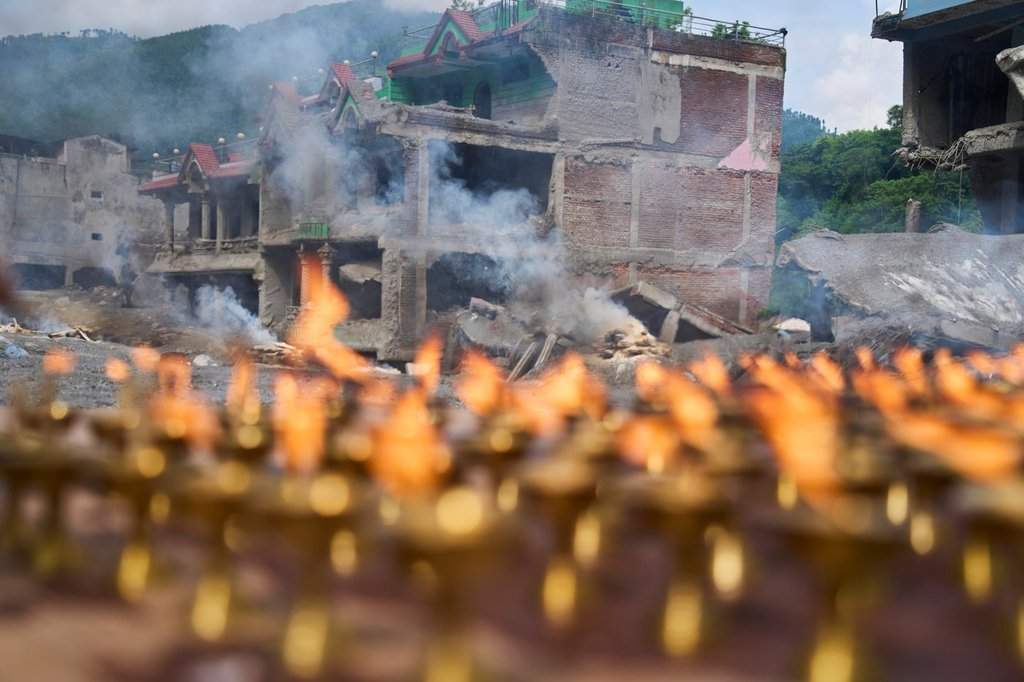
Everyone missed the actual story. Meanwhile, you can read similar events here: Stop Mourning Nepal Floods Until You Fix the Real Killer.
This was not a symptom of generalized narco-terrorism or random border anarchy. It was a textbook execution of opportunistic local predation born from economic desperation, enabled by a complete failure of basic situational threat modeling.
I have spent two decades advising high-risk asset operations, navigating hostile jurisdictions, and breaking down security failures for corporations operating where local rule of law is more suggestion than statute. I have watched executives blow millions on armored convoys while leaving their perimeter security wide open. I have seen seasoned travelers ignore every baseline indicator of danger because a surf spot looked picturesque on Instagram. To explore the complete picture, we recommend the recent report by Al Jazeera.
When the trial of the alleged killers commenced, the courtroom drama focused on the gruesome specifics: stolen tires, opportunistic robbery, botched cover-ups. What the coverage ignored was the structural naivety that allows travelers to walk blindfolded into localized hazards while obsessing over macroeconomic bogeymen.
The Cartel Fallacy
Every time a violent crime occurs south of the border, the automatic reflex in Western media is to invoke the cartels. It is a comforting crutch. It allows tourists and armchair pundits to attribute localized criminality to an omnipotent, shadowy syndicate that controls every square inch of Mexican soil.
The data flatly contradicts this lazy consensus. Organized crime syndicates operating multi-billion-dollar logistics networks do not want random dead tourists on isolated surf beaches. Corpses draw federal crackdowns, military checkpoints, depressed local economies, and intense scrutiny from United States intelligence agencies. Cartels thrive on predictability, commerce, and low-profile supply chains.
The individuals who targeted those surfers were not cartel foot soldiers executing a syndicate policy. They were local opportunists operating in a vacuum of institutional enforcement, driven by basic economic friction and the catastrophic mistake made by the victims: flashing high-end gear and telegraphing their movements in an isolated zone.
When you sleep in a tent on an unpatrolled beach with high-end camping equipment, custom surfboards, and cash, you are not engaging in adventurous discovery. You are running a high-value visibility beacon in an area with zero municipal infrastructure.
The Risk Assessment Blind Spot
Most travelers suffer from a profound cognitive bias called normalcy bias. They assume that because they paid for a plane ticket and downloaded a translation app, the fundamental rules of human predatory behavior are suspended.
Let us look at how the travel industry trains people to think about risk. Brochures sell vibes. Travel bloggers sell unblemished escapism. They preach the gospel of radical hospitality, convincing naive backpackers that every local population is waiting to welcome them with artisanal tacos and open arms.
This is dangerous nonsense.
In any jurisdiction—whether it is downtown Detroit, rural Baja, or a dark alley in London—local criminality relies on three variables: target attractiveness, visibility, and guardianship.
The Crime Equation
- Target Attractiveness: High-end vehicles, electronics, surfboards, cash.
- Visibility: Operating in isolation with no witnesses, no communication arrays, and predictable routines.
- Guardianship: Zero police presence, no local community ties, no private security network.
When you maximize all three variables, crime is not a possibility. It is an inevitability. The tragedy in Baja was treated as an unpreventable act of God by commentators who refuse to acknowledge that personal accountability begins long before you pack your bags.
The Resort Illusion
The counter-reaction to the Baja murders was equally absurd. Thousands of travelers pivoted to massive, gated mega-resorts, assuming that high walls and American-managed hospitality equal safety.
This is an illusion.
Resorts create a false sense of security while outsourcing your personal agency to minimum-wage staff who have zero incentive to take a bullet for you. The perimeter walls of a resort keep out the casual foot traffic, but they also trap you inside a controlled environment where you are entirely dependent on corporate PR teams to manage local law enforcement incidents.
Real security is decentralized, active, and rooted in situational awareness. It requires abandoning the tourist mindset entirely.
If you are going to travel off the grid, you must adopt the operational posture of someone who expects no help if things go sideways. That means zero predictability. It means blending in. It means recognizing that locals know who you are long before you know where you are.
What Actually Works
Let us dispense with the feel-good platitudes about traveling with an open heart. If you want to survive off-grid travel in developing regions, adhere to a strict tactical framework.
- Erase Your Footprint: Do not drive vehicles that scream wealth. Do not pack gear that acts as a beacon for desperate cash-strapped opportunists.
- Establish Communication Loops: Never rely on local cellular coverage alone. Carry satellite communication gear if you are venturing beyond municipal reach.
- Embed With Locals: If you are staying in an area, make yourself an asset to the immediate community, not an isolated target. Know who owns the land, who runs the local commerce, and who watches the access roads.
- Recognize Hard Boundaries: When the sun goes down in unpoliced zones, your movement should drop to zero. The romantic notion of late-night beach fires under the stars is a luxury reserved for places with functioning 911 dispatchers.
The trial in Mexico will grind on. Prosecutors will secure convictions, politicians will issue statements about regional safety improvements, and the news cycle will move to the next sensational tragedy.
Meanwhile, travelers will continue making the exact same foundational errors, mistaking geography for destiny and charm for safety.
Stop looking to governments to protect you in the remote corners of the map. Stop blaming abstract syndicates for crimes born of local vulnerability. The world is indifferent to your itinerary.
Plan accordingly, or stay home.