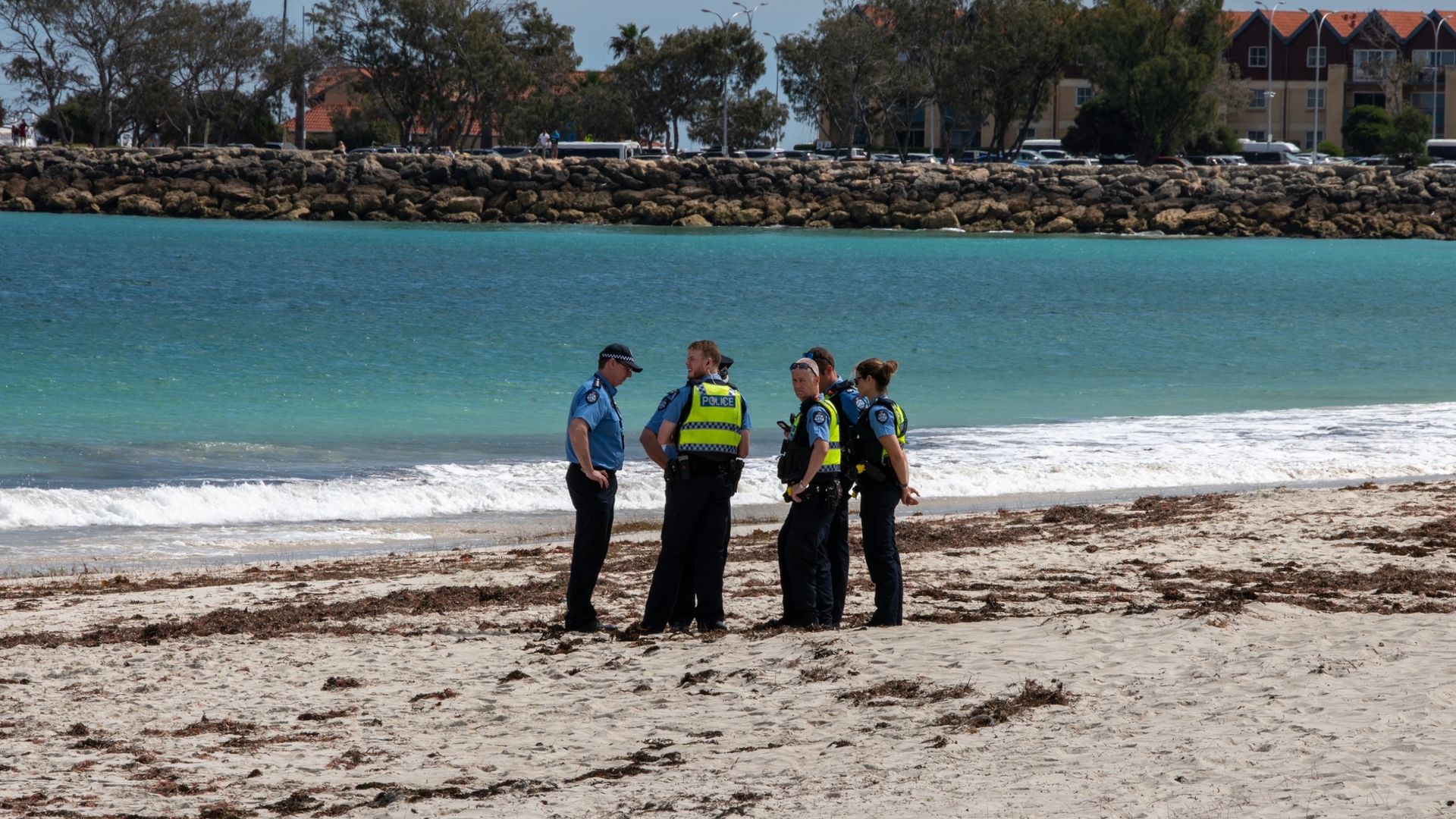
The brutal mathematics of Australia's coastline hit a grim milestone when a swimmer was killed at Sorrento Beach in Western Australia, marking the fifth fatal shark attack of the year. Panic invariably follows these tragedies. Headlines shriek about surging predator populations and waters turning hostile. Yet treating these incidents as isolated horror stories or sudden ecological anomalies ignores the complex reality of human interaction with apex marine predators.
Strip away the sensationalism and a stark truth remains. Australia's coastline stretches for nearly twenty-five thousand miles. Millions of people enter the water annually to surf, swim, and spearfish. When five fatalities occur within a single calendar year, it triggers a visceral national trauma, but statistical probability tells a more nuanced story. Drownings and traffic accidents claim vastly more lives in the country every single year. Sharks remain wild animals operating on instinct in their own habitat. The friction arises because human coastal migration patterns continue to crowd traditional marine pathways. Learn more on a connected subject: this related article.
Marine biologists and wildlife authorities point to shifting baitfish migrations and warmer water temperatures as contributing factors to increased nearshore predator activity. Great white sharks and bull sharks do not hunt humans with malice. They investigate targets using sensory organs that interpret movement and electrical impulses. A splash on the surface resembles distressed prey. When a massive marine predator makes an exploratory bite on a human, the physiological damage is often catastrophic.
Public policy responses to these tragedies routinely swing between two ineffective extremes. Culls generate public outrage and offer zero proven long-term safety benefits. Lethal drum lines capture marine life indiscriminately without stopping sharks from moving through migratory channels. On the flip side, telling citizens to simply avoid the ocean ignores coastal culture and economic reality. Additional journalism by TIME highlights similar views on this issue.
Modern mitigation requires moving past reactionary measures. Smart drum lines that tag and relocate predatory sharks, drone surveillance providing real-time aerial tracking over popular beaches, and personal electronic deterrent devices offer measurable safety improvements. Personal responsibility also plays an uncomfortable role. Swimming at dawn or dusk near deep channels or commercial fishing zones dramatically increases risk.
The ocean has never been a sterile swimming pool. Pretending we can engineer absolute safety from apex predators is a dangerous delusion. Acceptance of natural risk must accompany any trip into deep water. When communities demand impossible guarantees, they embrace policies that destroy marine ecosystems while failing to protect human lives.