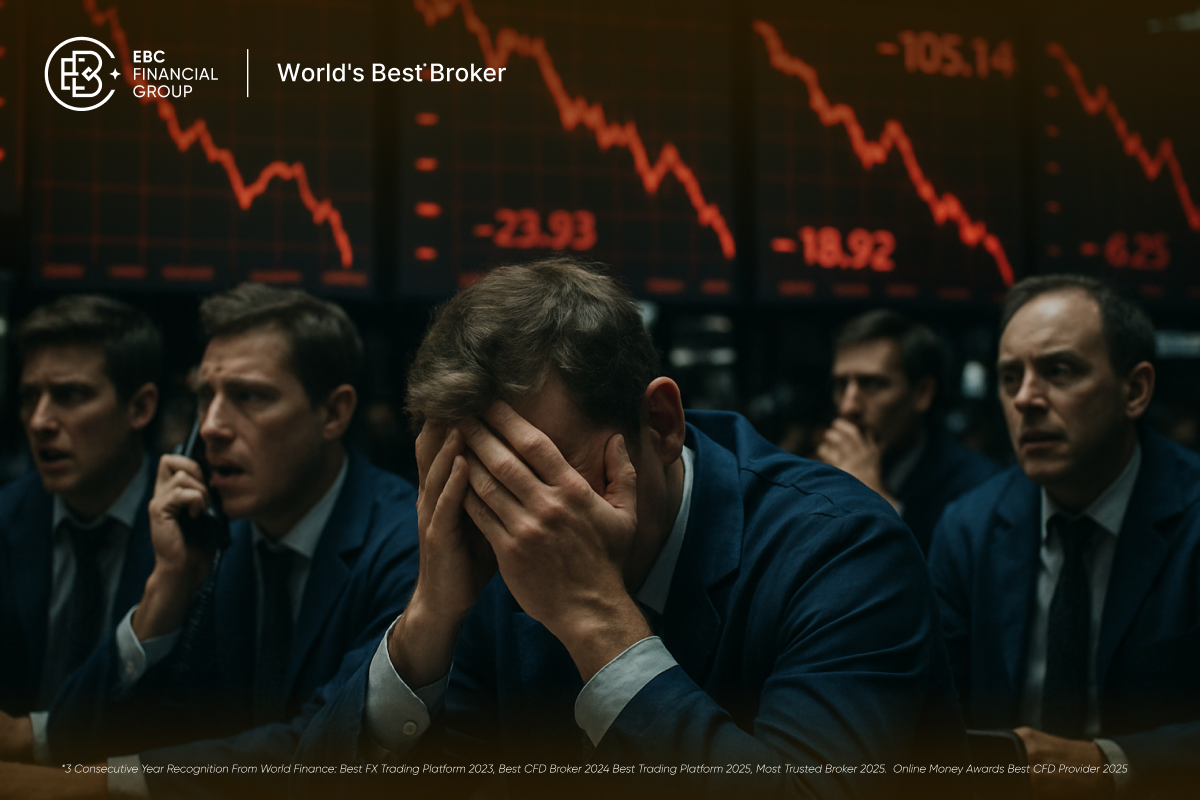
The recent military escalation between the U.S., Israel, and Iran has triggered a violent sell-off across Asia’s stock markets. If you’ve seen your portfolio drop in the last forty-eight hours, you’re not alone. It’s painful. But panic rarely pays.
This isn't just about headlines. It’s about energy. The Strait of Hormuz is the world’s most critical chokepoint for oil and gas. When tensions flare there, investors get scared. Prices for crude oil spiked, and in a region that imports the vast majority of its energy, that's a massive problem for corporate profit margins.
Why Asia Feels the Burn Harder
Major indexes didn't just dip—they tumbled. South Korea's Kospi cratered by over 5% in a single session, triggering trading curbs. Japan’s Nikkei 225 took a heavy hit as well. Why is the reaction so much sharper here than on Wall Street?
Basically, Asia is the world’s manufacturing hub. Most of these economies are heavy net importers of energy. When oil prices surge, the cost of everything—from shipping goods to running factories—rises instantly. Wall Street is buffered by massive domestic oil production and strategic reserves. Tokyo, Seoul, and Taipei don't have that luxury.
The Energy Price Trap
You might be wondering if this is a repeat of past geopolitical shocks. It is, but with a twist. Global energy markets were already fragile. Now, with reports of maritime transit disruptions and suspended operations at key regional ports, the market is pricing in a worst-case scenario.
- Direct Impact: Shipping insurance costs are skyrocketing. Carriers are rerouting vessels away from the "hot zone," adding days to transit times and burning more fuel.
- Inflation Risks: If these energy prices stay elevated, they won't just hit stock prices. They will bleed into consumer goods, forcing central banks to rethink any interest rate cuts they had planned.
Don't Let Panic Drive Your Decisions
Investors often make the same mistake during times like this: they sell when they should be looking at the structural health of their assets.
Honestly, the knee-jerk reaction in the market is almost always emotional. Traders hate uncertainty. They see a headline, they see a price jump, and they hit the sell button. But history tells a different story. If you look at past conflicts, markets eventually stabilize once the "fog of war" clears and the new reality is priced in.
If you are a long-term investor, you need to differentiate between a company with solid fundamentals and one that is simply getting crushed because of a macro headline.
What You Should Do Now
Stop looking at the minute-by-minute charts. It’s a waste of energy. Instead, do these three things:
- Check your energy exposure. Do you own firms that rely on low oil prices for their margins? If you do, expect volatility to continue.
- Focus on liquidity. Ensure you have enough cash on the sidelines. Market dislocations can create massive opportunities, but only if you have the capital to deploy when others are selling in fear.
- Ignore the noise. Geopolitical risks are rarely permanent drivers of stock returns. Economic growth and corporate earnings are what matter in the long run.
The situation is fluid, and more volatility is guaranteed in the coming days. Stay disciplined. Don't trade on headlines. Keep your eyes on the long-term outlook.