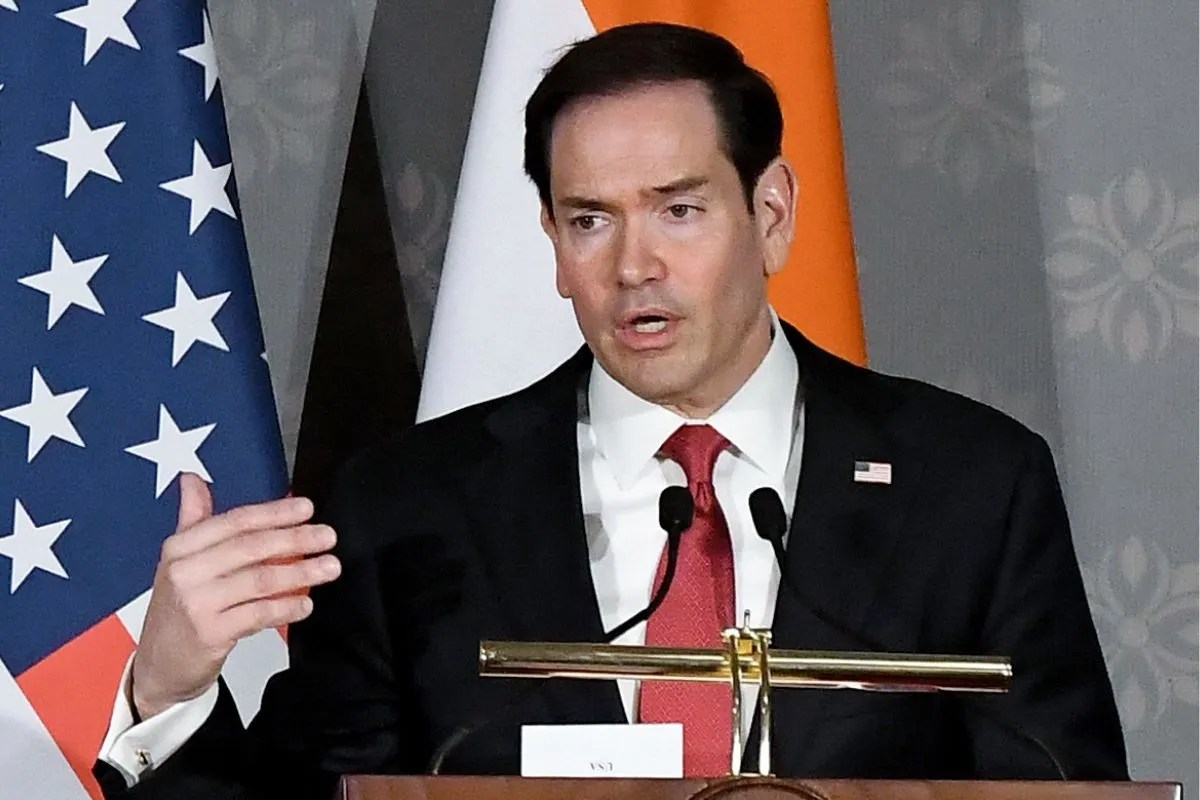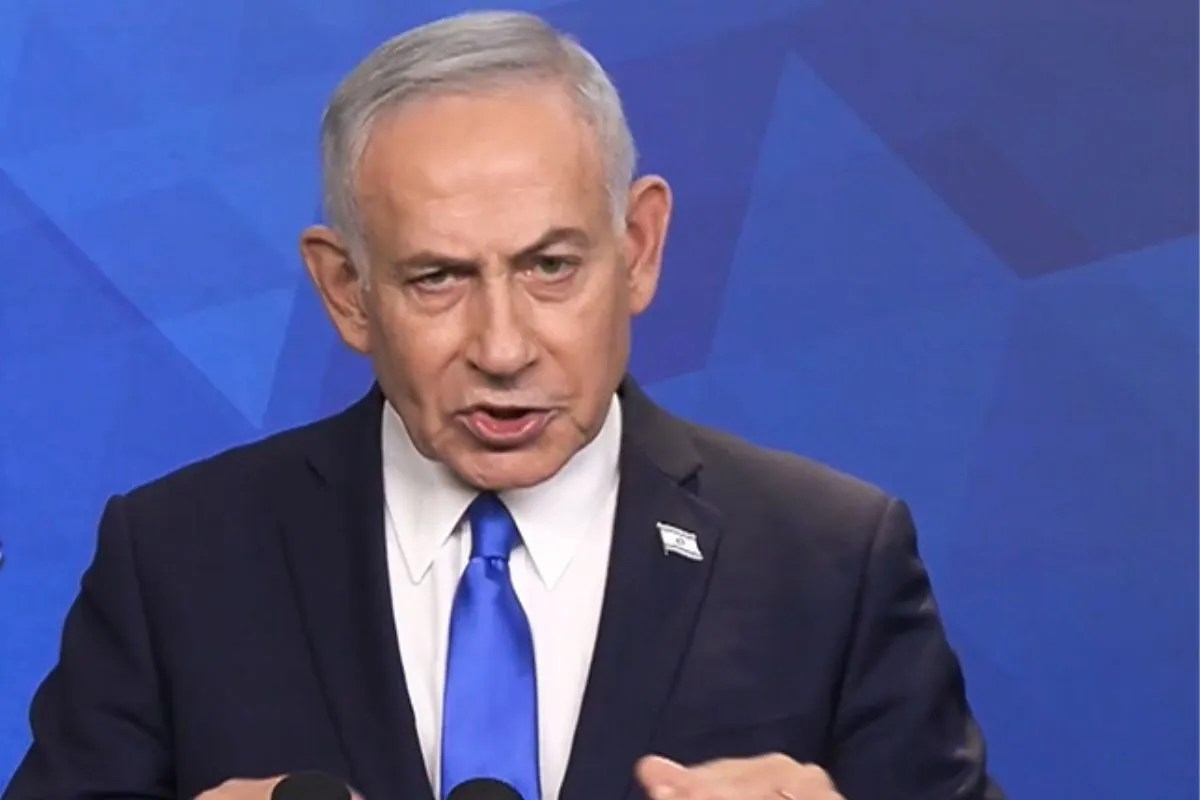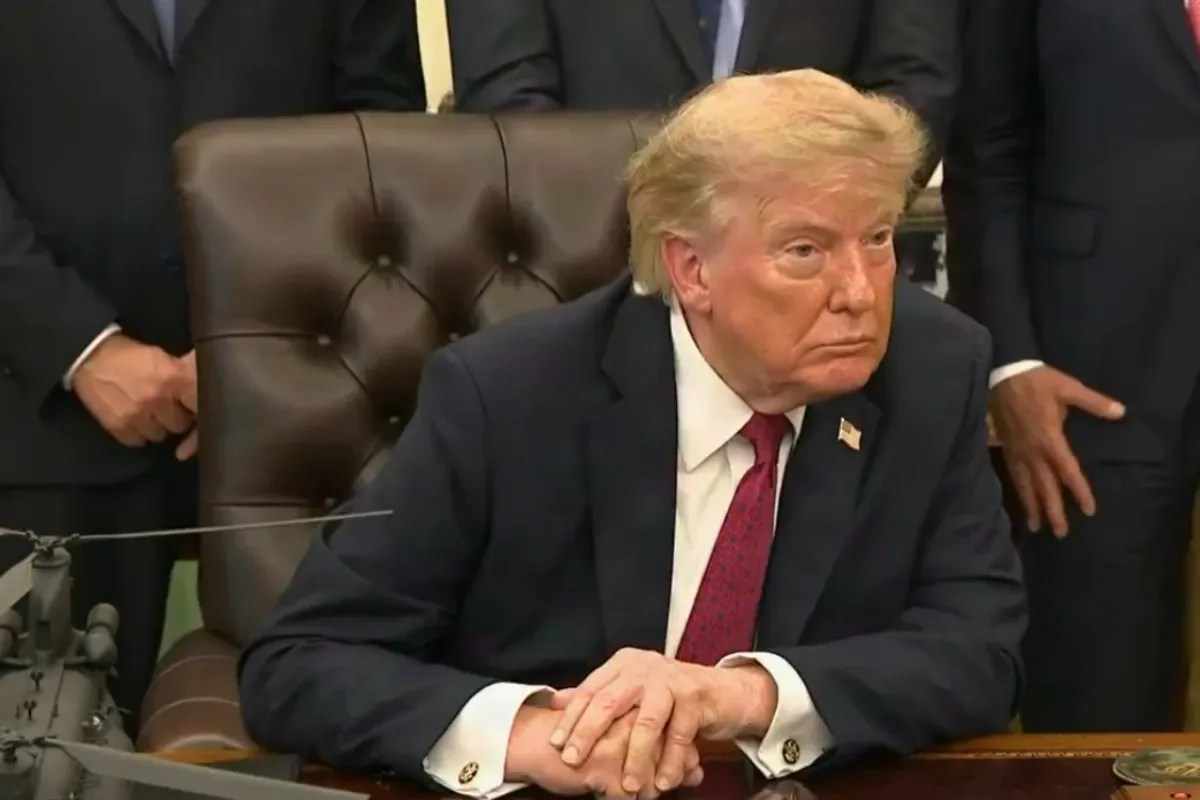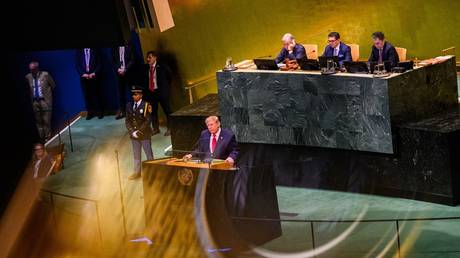
Every time a microphone gets placed in front of a podium at the United Nations, the geopolitical commentariat loses its collective mind. They treat hyperbole like a ballistic missile launch. When headlines scream about threats to obliterate sovereign nations, foreign policy pundits behave as though the apocalypse is scheduled for a Tuesday afternoon. It is lazy, predictable, and fundamentally misunderstands how modern coercion operates.
The standard media narrative relies on a tired script. Leader stands up, uses apocalyptic language, and the press corps hyperventilates about an imminent escalation toward total war. This misses the actual mechanics of statecraft. Extreme rhetoric is not a prelude to destruction; it is a substitute for it.
The Currency of Credibility in Modern Deterrence
Let us look past the sensationalism and examine the currency being traded here. Deterrence theory has not fundamentally changed since the Cold War, but the delivery mechanism has shifted from back-channel diplomatic cables to prime-time television soundbites. When a head of state threatens total annihilation, they are not outlining a military campaign. They are attempting to manipulate the adversary's risk calculus without firing a single bullet.
I have spent years watching defense analysts mistake volume for velocity. They parse every adjective as if it represents a change in troop deployments or rules of engagement. It does not. In the theater of international relations, extreme public pronouncements are safety valves. They allow leaders to signal domestic strength while keeping actual kinetic options constrained.
If you believe that a speech at the General Assembly is where catastrophic military decisions are made, you have never stepped foot inside a secure briefing room. Real strategic shifts happen quietly, behind closed doors, months before anyone steps up to a podium with a teleprompter. The public theater is designed for consumption by domestic voters and rival intelligence agencies who are smart enough to look past the smoke.
The Misunderstood Mechanics of Economic and Diplomatic Pressure
The lazy consensus says that harsh words bring nations closer to the brink of open conflict. History suggests the exact opposite. Communication channels remain open precisely because the rhetoric is loud. When two states stop talking trash and go silent, that is when you should start worrying. The noise is a symptom of containment, not explosion.
Consider how sanctions, cyber operations, and proxy positioning actually work. They are surgical instruments wrapped in blunt-force language. A state threatening total destruction is usually signaling that its economic or diplomatic leverage is reaching its limit in other arenas. It is the verbal equivalent of slamming a fist on the table when negotiations stall.
The downside of this contrarian approach is that it risks normalizing brinkmanship. When every speech sounds like the end of the world, actual crises become harder to spot against the backdrop of constant noise. That is the tax we pay for a political culture addicted to escalation theater.
Stop Asking When the War Starts
People ask the wrong questions entirely. They want to know if a speech brings us closer to a hot war. The better question is how long political actors can sustain this level of empty posturing before their domestic audiences stop reacting to the shock value.
The truth is that neither side wants the catastrophic outcome they are describing on camera. Total annihilation is bad for business, terrible for supply chains, and terminal for political survival. As long as the screaming stays in the auditorium, the system is working exactly as intended.
Ignore the adjectives. Watch the logistics. When the rhetoric stops and the accountants start moving money, then you can panic. Until then, turn down the volume.