The pre-dawn air in the Emirates usually carries a specific weight during the final days of Ramadan. It is a humidity thick with the scent of burning oud, the lingering spice of a late-night Suhoor, and the electric, restless anticipation of Eid Al Fitr. For generations, that anticipation has centered on a single, sprawling visual: the Musalla. These vast, open-air prayer grounds are where the community breathes as one. They are where thousands of velvet rugs create a patchwork quilt across the sand, and where the first light of the Eid sun catches the white fabric of a thousand moving Kanduras.
But this year, the silence in those open spaces is heavy.
Ahmed, a father of three in Sharjah, spent the last week of the holy month teaching his youngest son how to shoulder his prayer mat. It is a rite of passage. You carry your own weight to the field. You find a gap in the sea of worshippers. You stand under the sky. Yet, as the official announcements rippled through the local news cycles, Ahmed had to explain a different reality. The gates to the outdoor Musallas will remain locked. The prayers will happen, yes, but they will happen behind the thick, stone walls of the mosques.
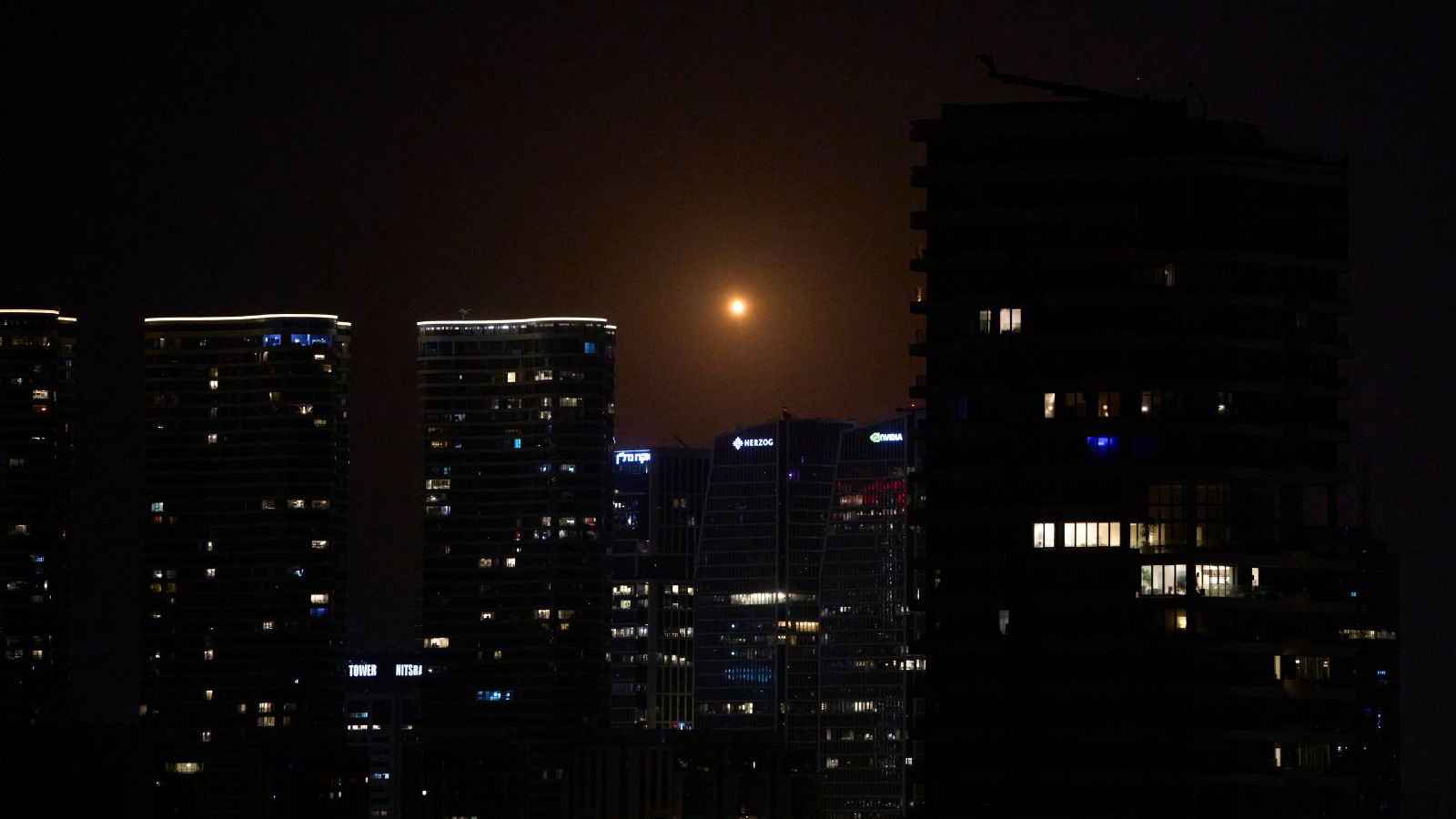
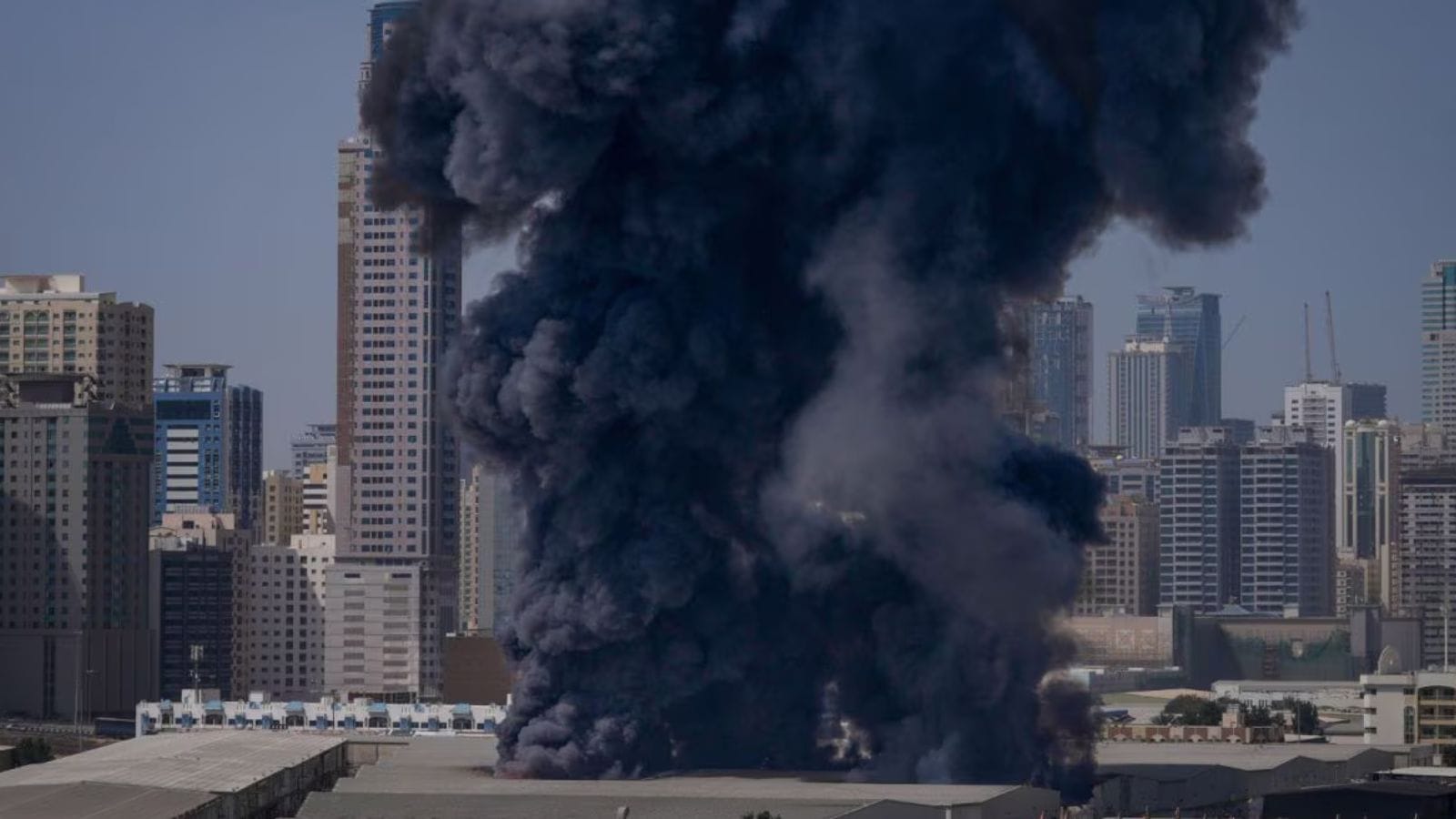
The decision by the UAE authorities wasn't born of a whim. It is a somber reflection of a regional climate—both literal and metaphorical—that has shifted. As conflict continues to simmer and boil across the Middle East, the traditional joy of Eid is being recalibrated. The move to bar open-air prayers this year is a logistical necessity wrapped in a blanket of security and somberness.
Mosques are sanctuaries. They are architectural marvels of geometry and grace. But a mosque has a ceiling. A ceiling creates a limit. When you move the Eid prayer—a prayer defined by its infinite scale—into a confined building, the atmosphere changes. It becomes intimate rather than epic.
Consider the mechanics of a typical Eid morning. In a standard year, the overflow of the faithful spills out onto the sidewalks and into the public squares. This year, the General Authority for Islamic Affairs and Endowments has been clear: Namaz will be held strictly inside. The doors will open, the fans will whir, and the carpets will be filled to the last inch of the Mihrab. But the sky is no longer the witness.
Why does this matter?
It matters because traditions are the anchors of our sanity. When the world feels like it is tilting—when the headlines from neighboring borders are filled with the smoke of war—the physical act of standing in an open field with your neighbor is a defiance of fear. It is a statement of presence. By moving the prayers inside, the state is prioritizing safety and order in a time of heightened regional tension. It is a pragmatic choice. It is a "robust" measure, to use the language of a bureaucrat, but to the man on the street, it feels like a withdrawal.
The invisible stakes are found in the transition.
Last year, the conversation at the breakfast table after prayer was about the heat of the sun or the quality of the dates. This year, the conversation is shadowed by the "why." You don't close the Musallas for no reason. You close them when the world outside feels unpredictable. You close them when the collective gathering of thousands in an unshielded space presents a variable that the authorities would rather not gamble with.
The mosques will be beautiful. The Takbeers—the rhythmic chants of "Allahu Akbar"—will still echo through the speakers, bouncing off the marble and the chandeliers. The soul of the prayer remains intact. The theology doesn't change based on the GPS coordinates of the worshipper. But the human element—the sensory experience of the wind on your face during the prostration—is gone for now.
Ahmed told his son that the mosque is the house of God, and there is no better place to be. He said it with a smile, but he felt the pang of a disappearing tradition. He remembered being a boy in the 1990s, when the desert was the only mosque they needed. There was a ruggedness to it. You brushed the sand off your knees when you stood up. You felt connected to the earth.
The shift to indoor-only prayers is also a reflection of the UAE’s rapid urbanization and its commitment to "managed" experiences. In a country that has mastered the art of the indoor environment—from ski slopes to rainforests—moving the most sacred outdoor event of the year inside is the final frontier of control. It ensures that the heat is managed, the crowds are channeled through specific gates, and the security perimeter is absolute.
But something is lost in the perfection of the climate control.
The "dry" facts tell us that the mosques will open 15 minutes before the prayer starts. They tell us that the prayer will be brief. They tell us that the sermons will focus on peace and gratitude. What they don't tell us is the feeling of the 5:30 AM walk toward a building instead of a horizon. They don't capture the sight of the empty fields that, for decades, were the beating heart of the community for one hour every year.
We are living in an era of the "Great Inside." We work in glass towers. We shop in mega-malls. We socialize in cafes. The Eid prayer was one of the last bastions of the "Great Outside," a moment where social hierarchies collapsed because everyone was sitting on the same dirt, under the same sun. When we move inside, the architecture takes over. The VIP sections are clearer. The exits are monitored.
The Middle East is a region that understands the cost of instability better than anywhere else on earth. The UAE has carved out an oasis of staggering wealth and peace in a neighborhood that is often on fire. Protecting that peace requires hard choices. Sometimes, it requires closing the gates to the fields. It requires asking the faithful to gather under a roof rather than a cloud.
It is a trade-off.
Safety for spontaneity.
Security for scale.
Order for the elements.
As the sun rises over the Hajar Mountains this Eid, the light will hit the empty Musallas first. It will illuminate the dust motes dancing over the vacant lots where thousands should have been kneeling. A few miles away, the mosques will be vibrating with the sound of a thousand voices trapped in a beautiful stone box. The prayer is the same. The God is the same. But the way we occupy the world has shifted.
We are retreating from the open spaces, not because we want to, but because the world has become a place where the open space feels like a vulnerability.
Ahmed will hold his son’s hand as they walk through the heavy wooden doors of the local mosque. He will find a spot near a pillar. He will bow his head. He will perform the same motions his ancestors did in the open desert. But when he says his final "Assalamu Alaikum," he will look up at the ceiling and wonder when the sky will be safe enough to hold his prayers again.
The rugs are laid out. The incense is lit. The doors are shut.