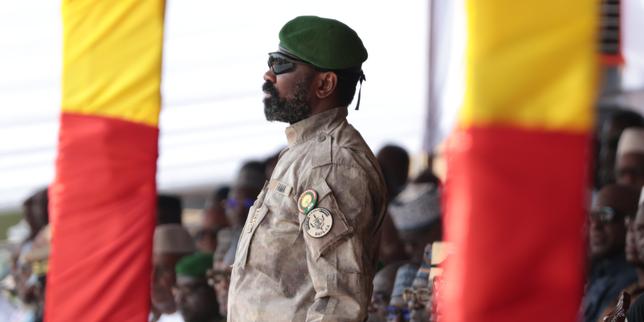
The rapid turnaround of Yann Vézilier took everyone by surprise. Just weeks after a Malian court handed the French intelligence officer a twenty-year sentence, President Assimi Goïta signed a presidential pardon.
Diplomacy moves fast behind closed doors. Public grandstanding usually dominates relations between Paris and Bamako. Yet, behind the scenes, quiet channels deliver results. Vézilier, identified as an agent of the Direction générale de la sécurité extérieure (DGSE) and accredited as a diplomat at the French embassy, was arrested in August 2025. Accused of state security violations alongside local military figures, his fate hung in the balance. Now, he is heading out.
Inside the Arrest and Trial of Yann Vézilier
Security crackdowns in Bamako hit hard last year. When authorities detained Vézilier alongside local officers like Generals Abass Dembélé and Néma Sagara, they claimed to uncover a major destabilization plot.
Paris rejected the charges outright. The French Ministry for Europe and Foreign Affairs maintained that Vézilier operated strictly within his diplomatic credentials. Arresting an accredited official sparked severe friction. Courts moved forward anyway. A specialized judicial pole delivered a harsh twenty-year prison term in June.
Most analysts expected a prolonged diplomatic freeze. Instead, a presidential decree changed the math overnight.
The Role of Secret Diplomacy
How did a convicted intelligence operative secure a release so quickly? Bamako pointedly credited a "brotherly third country" for stepping in with discreet mediation.
State sovereignty remained a core talking point for the transition government. The official communication stressed that the trial respected due process and legal independence. Granting freedom did not mean erasing the charges. Rather, it allowed Bamako to project authority while clearing a major thorn out of its bilateral footprint.
Discretion gets things done. Public ultimatums failed for months. Quiet third-party intervention succeeded.
The Unresolved Fate of Local Figures
While Vézilier packs his bags for an immediate departure from Malian territory, local actors swept up in the same dragnet face a very different reality.
The contrast is stark. Foreign nationals often benefit from high-level state bargaining chips. Domestic military personnel accused alongside foreign intelligence assets rarely receive the same fast track. The silence surrounding the judicial timelines of Malian officers highlights ongoing internal pressures within the security apparatus.
Unequal justice leaves deep scars. Observers watching the region note that solving a diplomatic spat with a Western power does not automatically resolve domestic political fractures.
What Comes Next for France and Mali
Tensions across the Sahel remain high. Burkina Faso, Niger, and Mali have steadily distanced themselves from traditional Western partnerships, leaning instead into new security arrangements.
Releasing Vézilier removes an immediate flashpoint. It opens a tiny window for recalculated engagement. Yet, structural distrust runs deep. Intelligence operations will adapt. Diplomatic protocols will face stricter scrutiny.
Keep your eyes on how regional intermediaries manage future disputes. Quiet leverage replaces open confrontation now. The rules of the game shifted, and intelligence agencies on all sides are rewriting their playbooks.