Ground gets dug up, stone replaces grass, and suddenly everyone has an opinion on presidential landscaping. The White House Rose Garden project grabbed headlines because people care deeply about historical spaces. Redesigning a legendary patch of grass isn't just about exterior design. It is about statements carved in stone.
Let's look past the political noise. Landscape changes at 1600 Pennsylvania Avenue always carry weight. When major alterations happened to the iconic garden, the public reaction split down predictable lines. Some viewed the updates as practical modernizations for outdoor events. Others saw it as an unnecessary disruption of a classic American aesthetic crafted decades ago.
The Physical Transformation From Lawn to Stone
The most immediate physical shift involved swapping wide borders of grass for a structured stone patio. Maintenance became a major talking point behind the scenes. Heavy foot traffic during press conferences and official ceremonies regularly ruined the turf. Walking heels sank into mud during rainy seasons.
Stone pathways solved the functional problem. They also fundamentally changed the visual temperature of the space. Bright green grass softened the historic exterior of the West Wing. Pavers brought a harder, more formal European courtyard feel.
Paving over a historic garden invites instant pushback. Historic preservationists argue that small aesthetic tweaks alter the character of a landmark. Supporters counter that historical spaces must adapt to modern utility. Presidents host hundreds of guests outdoors now. Grass simply cannot handle modern event logistics without constant replanting.
Adding Statues and Sculptures to the Grounds
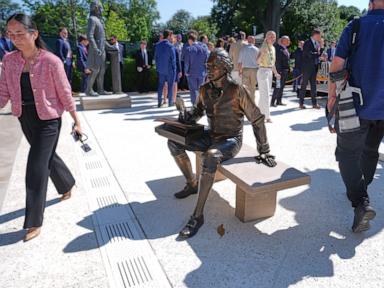
Bringing permanent bronze figures into the mix pushed the conversation further. Statues of historic figures entered the garden landscape, adding layers of narrative to an already symbolic space. Placing physical likenesses of American icons among the rose bushes shifts the focus from flora to legacy.
Critics questioned the curation and artistic choices. Who gets immortalized in bronze right outside the Oval Office? Every addition to presidential grounds gets weighed for political signaling. When you alter a garden tied to Jackie Kennedy's legacy, you trigger strong defensive reactions from architectural traditionalists.
What the Public Misses About White House Groundskeeping
Most people forget that the Rose Garden gets treated like a working stage. It is not a quiet suburban backyard meant for Sunday reading. It is a high-stakes backdrop for international diplomacy.
Horticulturists and grounds crews battle massive logistical hurdles. Security setups, television cables, podiums, and folding chairs take a heavy toll on organic material. Shifting to stone and adding durable elements reduces long-term wear and tear.
You cannot view these changes through a purely artistic lens. Every president leaves a physical footprint on the White House estate. From Truman's controversial balcony to Roosevelt's indoor pool, updates happen constantly. The Rose Garden renovation simply put those changes under a giant microscope.
Evaluate the space for what it is today. A functional outdoor stage built to withstand modern media demands while nodding to the past. The dust settled long ago, but the debate over how we treat historical architecture remains wide open.