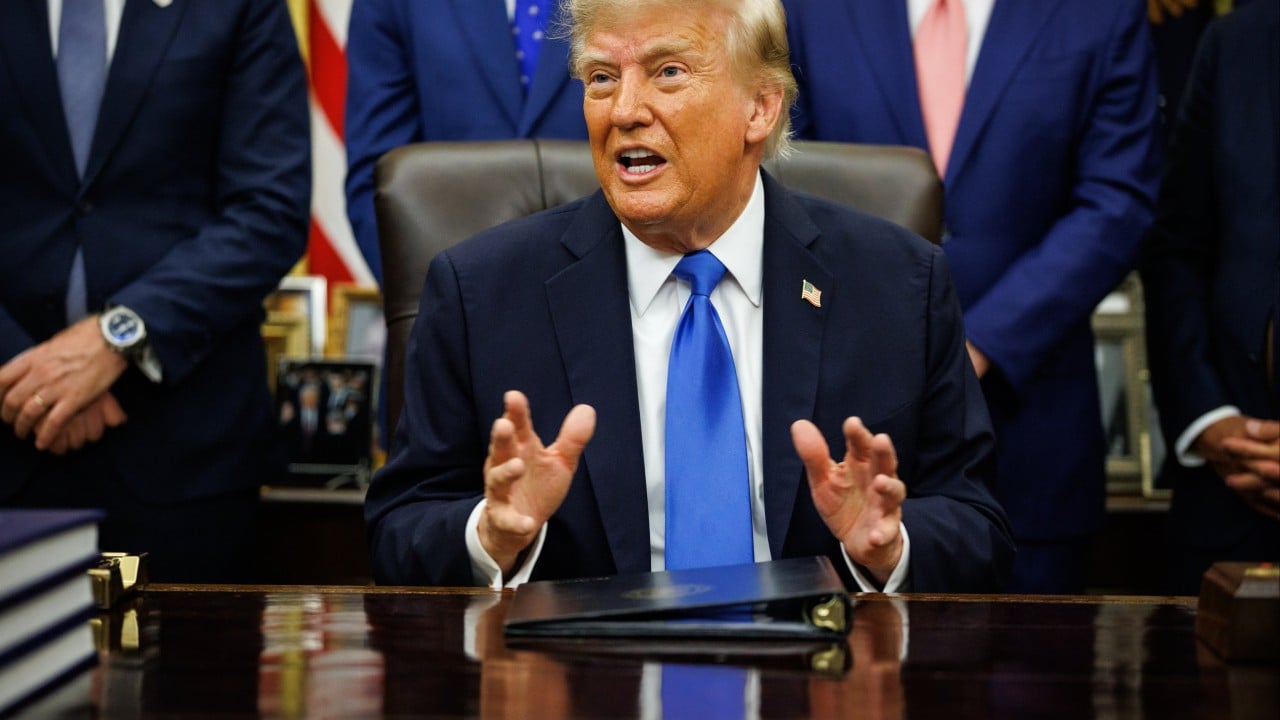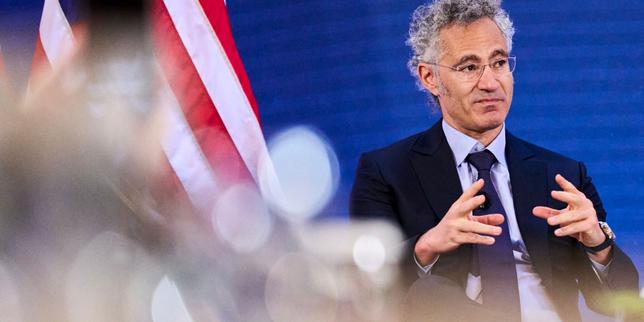
The federal government has chosen a side in the war over machine learning and intellectual property, throwing its weight directly behind OpenAI in the high-stakes copyright battle initiated by The New York Times. In a twenty-page statement of interest filed in Manhattan federal court, the Department of Justice argued that ingesting copyrighted journalism to train large language models qualifies as fair use. This extraordinary intervention marks the first time Washington has formally entered the sprawling docket of copyright litigation launched by authors, musicians, and publishers against major technology labs.
The government’s position is clear. Restricting artificial intelligence companies from scraping public archives would stifle scientific advancement, endanger national security, and surrender American technological leadership to foreign competitors. For Silicon Valley, this brief is a massive political win. For traditional media institutions fighting for economic survival, it is a chilling signal that the executive branch views their archives as public infrastructure for the tech sector.
The Legal Mechanics of the Argument
At the center of the Justice Department's filing is a specific interpretation of how modern machine learning operates. Government attorneys argued that large language models do not store or replicate source texts in the manner of a digital archive. Instead, the systems analyze patterns, syntax, and semantic structures to build generalized reasoning capabilities.
The brief labels this ingestion process as extraordinarily transformative. Under standard copyright doctrine, fair use protects works that repurpose original material to create something fundamentally new with a different purpose. The administration contends that extracting statistical relationships from a news article to teach a machine grammar and historical context is legally distinct from republishing that article.
"The United States has a strong interest in this court rejecting any argument that training LLMs on copyrighted texts violates copyright law," the Department of Justice stated in the court record.
This perspective effectively isolates the training phase from the output phase. The administration argues that even if a model occasionally generates text that brushes against copyright boundaries—an issue central to the Times' claims regarding verbatim regurgitation—those specific outputs should be litigated separately without poisoning the legality of the foundational training models.
Geopolitical Pressure and National Priorities
The timing and tone of the intervention reflect a broader executive strategy. The White House has consistently prioritized rapid infrastructure expansion and light-touch oversight for the domestic technology sector, frequently clashing with regulatory efforts. Commerce Secretary Howard Lutnick recently reinforced this stance before international officials, urging global partners to embrace broad fair use principles that favor training access while searching for separate ways to compensate creators.
National security frames the entire argument. Officials maintain that maintaining a dominant domestic artificial intelligence industry is inseparable from intelligence analysis, automated defense systems, and economic mobility. From the perspective of the Justice Department, allowing individual publishers to lock up historical text archives behind licensing paywalls would create a bottleneck that crippled national capabilities.
Associate Attorney General Stanley Woodward emphasized this logic on social media, declaring that the administration will not permit the nation to fall behind foreign adversaries due to a flawed understanding of copyright law.
The Fallout for Publishers and Creators
The reaction from the media industry was swift and severe. Representatives for The New York Times accused the administration of abandoning American creators to benefit a handful of trillion-dollar corporations. The newspaper argues that its multi-year, multi-million-dollar investigative reporting operations require financial sustainability, which is impossible if technology platforms can harvest human-created journalism without permission or compensation.
The underlying tension points to an existential economic squeeze. When platforms like Google introduce AI-generated search summaries or chatbots synthesize breaking news directly for users, the traditional referral traffic that drives digital subscriptions and advertising revenue evaporates. Publishers are caught in a double bind: they must remain visible inside the new generation of tools to stay relevant, yet participating feeds the exact models rendering their traditional business models obsolete.
While this Justice Department filing carries no formal binding authority over U.S. District Judge Sidney Stein, who presides over the Manhattan case, a statement of interest from the federal government carries substantial persuasive weight. It signals to the judiciary that executive priorities lean heavily toward market expansion over heritage copyright protections.
As dozens of parallel lawsuits involving writers, artists, and media outlets continue to wind through federal courts, the divide among judges remains stark. Last year’s initial rulings on generative AI training produced conflicting legal standards, and no appellate court has yet delivered a definitive interpretation. By inserting the full weight of the executive branch into the debate, the administration has ensured that the future of digital content ownership will be decided not just in corporate boardrooms, but under the shadow of national security imperatives.