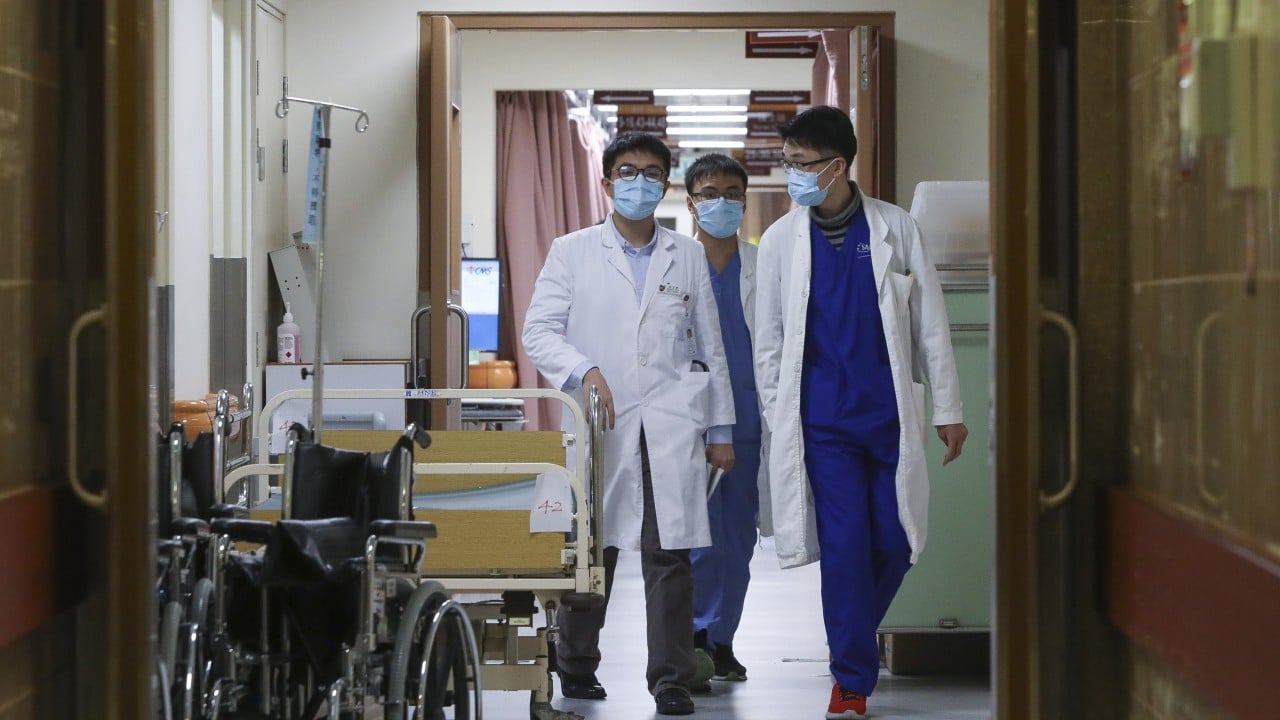
We wait in rooms that always smell faintly of bleach and floor wax.
The chairs are bolted to the linoleum. The magazines are three years old, featuring actors whose careers have already crested and receded. Every person sitting under that fluorescent hum shares a singular, terrifying arithmetic: the silent calculation of time. We wonder how long the body will hold its shape before something hidden inside decides to unravel.
For generations, the detection of cancer has been a game of hide-and-seek played in the dark. We wait for a lump to harden beneath the fingertips. We wait for a persistent cough to claw its way into a chest x-ray. By the time the shadow appears on the film, the enemy has often already set up camp, unpacked its bags, and built a foundation.
Now, a new promise arrives in glass vials and centrifuge tubes.
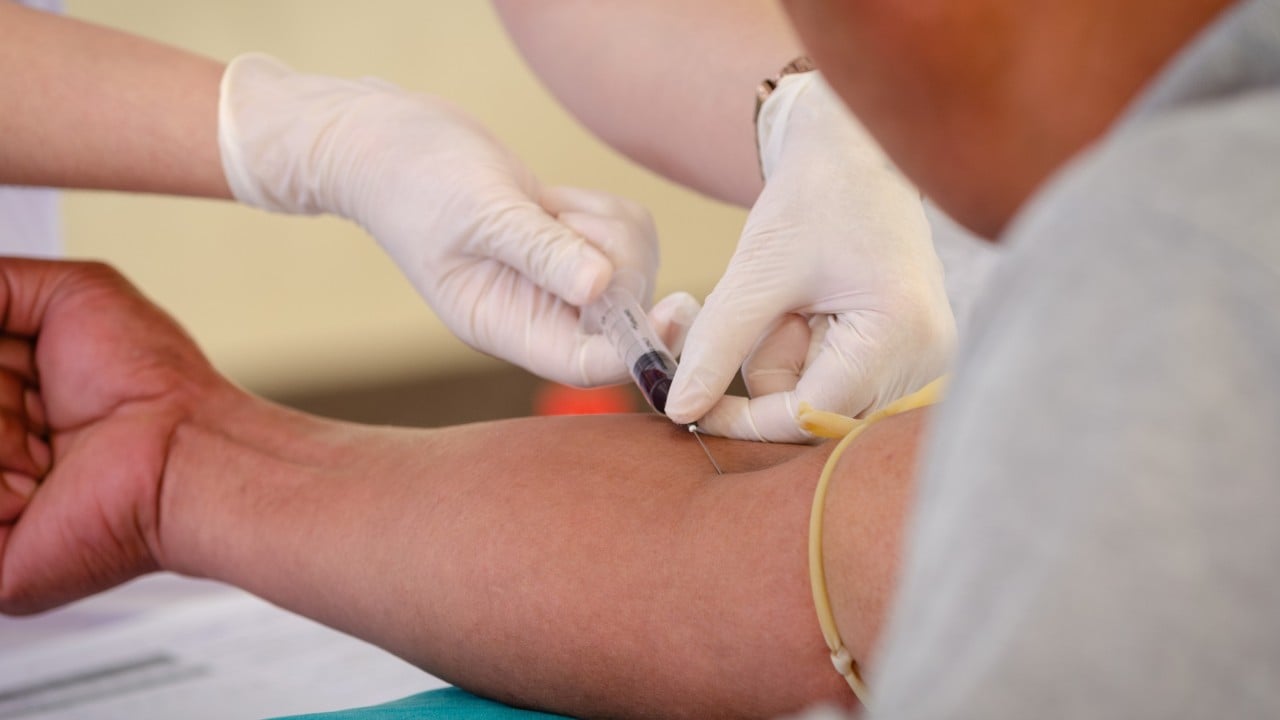
Multi-cancer early detection blood tests have stepped into the public square, cheered on by regulators in the United States and examined with rigorous, weary skepticism across the Pacific in Hong Kong. The pitch is intoxicating. A single draw of blood. A scan of circulating tumor DNA. A map of cellular debris whispering secrets about organs you cannot see and tissues you cannot touch.
It sounds like magic.
Medicine has a long history of falling in love with magic.
Consider what happens when a laboratory technician spins a vial of crimson liquid. To the untrained eye, it is just blood, heavy and dark. To the sequencer, it is a library of fragments. Cells die every second, shedding their genetic instructions into the bloodstream like leaves falling from an autumn tree. Most of those leaves drift away harmlessly. But sometimes, a leaf bears the jagged handwriting of mutation.
This is where the technology stands today. It can find those corrupted scraps of code. It can point a finger toward a cluster of cells that are multiplying out of control before they have managed to form a detectable mass.
In the United States, enthusiasm has outpaced hesitation. Regulators have thrown open the door, eager to hand patients a shield. The logic is simple, brutal, and seductive: catch it early, beat it easily. If you can spot a tumor when it is the size of a grain of sand rather than the size of an orange, survival rates soar from a desperate gamble to a manageable procedure.
Yet, walk into a consultation room in Hong Kong, and the temperature drops.
Here, physicians do not look at the same data with wide-eyed wonder. They look at it through the lens of consequence. They ask the questions that enthusiasm tends to sweep under the rug.
What happens when the test flashes red, but the colonoscopy comes back clean?
What happens when a patient spends six agonizing months undergoing full-body CT scans, endoscopies, and exploratory surgeries, only to discover that the blood test found a phantom signal, a false positive born of cellular noise?
That is not a hypothetical scenario. That is the daily reality of diagnostic medicine.
To understand the caution in Hong Kong's hospitals, you have to understand the psychology of the false alarm. Fear is a physical weight. When a doctor tells a patient that their blood contains the signature of malignancy, something inside that human being fractures. Even if the result turns out to be a ghost in the machine, the psychological toll is paid in sleepless nights, frayed marriages, and a permanent, low-grade terror whenever a minor ache flares up in the ribs.
We crave certainty because uncertainty hurts. But medicine rarely deals in absolute truths. It deals in probabilities.
A blood test that flags a risk without pinpointing the exact location of the disease leaves both the patient and the physician in a strange, suspended animation. Imagine standing in a dense fog. You hear footsteps crunching on gravel nearby. You know someone is there. You do not know if it is a friend bringing help or a stranger bearing a knife. Do you run? Do you hide? Do you swing blindly into the mist?
That is the clinical dilemma facing doctors in densely populated medical hubs like Hong Kong, where healthcare systems already operate under immense pressure. If tens of thousands of healthy people demand these multi-cancer screenings every year, the clinics will bottleneck. The machinery will grind. True high-risk patients—those with actual symptoms and urgent needs—might find themselves pushed to the back of the queue while healthy worried-well individuals clamor for answers from ambiguous laboratory printouts.
Accuracy matters. Predictive value matters.
A test can be ninety percent accurate, but if the condition it searches for is rare in the general population, a staggering percentage of the positive results will be false alarms. This is basic statistical reality, yet it is desperately hard to explain to a patient sitting across a desk with tears in their eyes.
We want science to be a clean line from problem to solution. We want the test to say yes or no. Instead, it speaks in dialects of risk, shading from pale gray to charcoal.
Does this mean the technology is flawed? No. It means it is adolescent.
We are watching the awkward, painful growth spurt of a tool that will eventually reshape how humanity confronts mortality. Twenty years from now, looking back at our current blood tests will feel like looking at the Wright brothers' flyer from the cockpit of a modern commercial jet. It flew, but barely. It was loud, fragile, and demanded immense courage from anyone willing to climb aboard.
The doctors in Hong Kong are not Luddites. They are guardians of the gate, holding the line between genuine innovation and premature panic. They know that a tool is only as good as our ability to interpret its warnings without breaking the people who receive them.
So the vials continue to spin. The sequencers hum in sterile white laboratories from Seattle to Sha Tin.
Somewhere out there, a microscopic rebellion is beginning inside a healthy body, entirely unnoticed by its host. Somewhere else, a researcher is tweaking an algorithm to separate the genuine signal from the background noise of life itself.
We live in the space between what we can detect and what we can comprehend. It is an uncomfortable place to be. It requires patience we do not naturally possess and humility we often resist.
The blood test is coming. It will change everything. But until we learn how to answer its whispers without losing our minds, the best medicine we have remains the steady hand of a physician who looks past the data on the screen, sits down across from us, and simply tells us to breathe.