The power grid in Western Australia is changing forever. You might have heard that the state government plans to shut down its public coal-fired power stations by 2030. It sounds simple on paper. Close the dirty plants, plug in some wind turbines, and call it a day. But if you look past the political press releases, you'll find a massive logistical scramble that's rewriting how an entire state keeps the lights on.
I've spent years tracking energy transitions, and I can tell you that ditching baseload coal in an isolated grid isn't like flipping a switch. It's a high-stakes gamble. Western Australia operates the South West Interconnected System. It's a massive, self-contained power network. It doesn't share electricity with South Australia or the eastern states. When things go wrong here, nobody else can bail you out.
Why the 2030 coal exit matters
State-owned Synergy runs the Collie and Muja power stations. These plants have kept factories humming and air conditioners running for decades. They're also massive emitters. The decision to phase them out isn't coming from tree-huggers alone. Economics killed coal long ago. Renewable energy became too cheap to ignore, and maintaining aging boilers got too expensive.
Yet, closing these plants creates an immediate vacuum. You need massive amounts of new generation and storage to replace them. The government committed billions to renewable energy projects and big batteries, but supply chain bottlenecks are real. Cranes, transformers, and skilled labor don't just appear because you allocated funds in a budget.
The engineering nightmare of an isolated grid
Building wind farms is the easy part. Managing grid stability is where things get messy. Coal plants provide synchronous inertia. Think of heavy spinning turbines that stabilize frequency when a sudden surge in demand hits. Solar panels and wind turbines don't have that natural weight.
Without coal, grid operators face a terrifying balancing act. When clouds roll in or the wind dies down, backup systems must kick in instantly. That means building vast fleets of utility-scale batteries and fast-ramping gas turbines. The government knows this, which is why gas will stick around as a transition fuel. Purists hate that compromise, but engineers demand it. If you move too fast without backup, you get blackouts. Ask anyone who lived through the transition shocks in other jurisdictions how that feels.
Retraining a workforce built on black rock
Communities like Collie grew up around coal. Generations of families worked the mines and tended the boilers. Telling those workers that green jobs are coming doesn't pay next week's mortgage.
A successful transition requires genuine retraining programs, not just empty rhetoric. The state set up a transition fund to help the town reinvent itself. You see investments in light manufacturing, tourism, and new industries. Still, convincing a seasoned mechanical technician to pivot to solar panel maintenance takes time and serious financial support. The human cost of this shift is the part politicians gloss over most often.
What the transition actually looks like on the ground
If you want to understand how Western Australia is surviving this shift, look at the projects breaking ground right now.
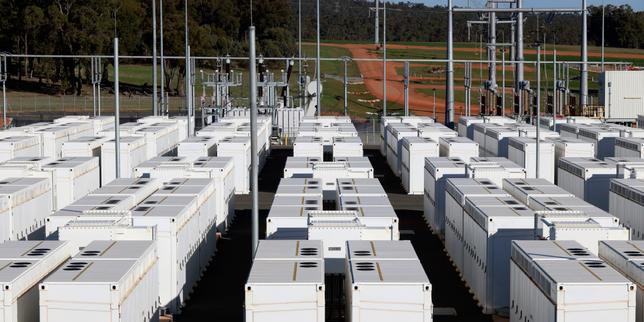
- Massive battery installations are popping up near substations to catch excess solar power during midday peaks.
- Transmission lines are being upgraded to ferry renewable energy from remote regional hubs down to Perth and the industrial southwest.
- Private capital is flowing into hybrid energy microgrids for remote mining operations, taking heavy industry off the main grid entirely.
These aren't abstract concepts. They're concrete construction sites moving earth right now.
The road ahead is bumpy
You won't fix a century-old energy model overnight. Expect price volatility. Expect construction delays. Expect politicians to argue about who dropped the ball when a transformer gets stuck at a port for six months.
The state is stepping into uncharted territory. By 2030, we will know if this massive bet paid off. If it works, Western Australia becomes a blueprint for isolated grids worldwide. If it stumbles, businesses and households will pay the price on their monthly power bills. Keep your eyes on the grid reserve margins over the next four years. That is where the real story unfolds.