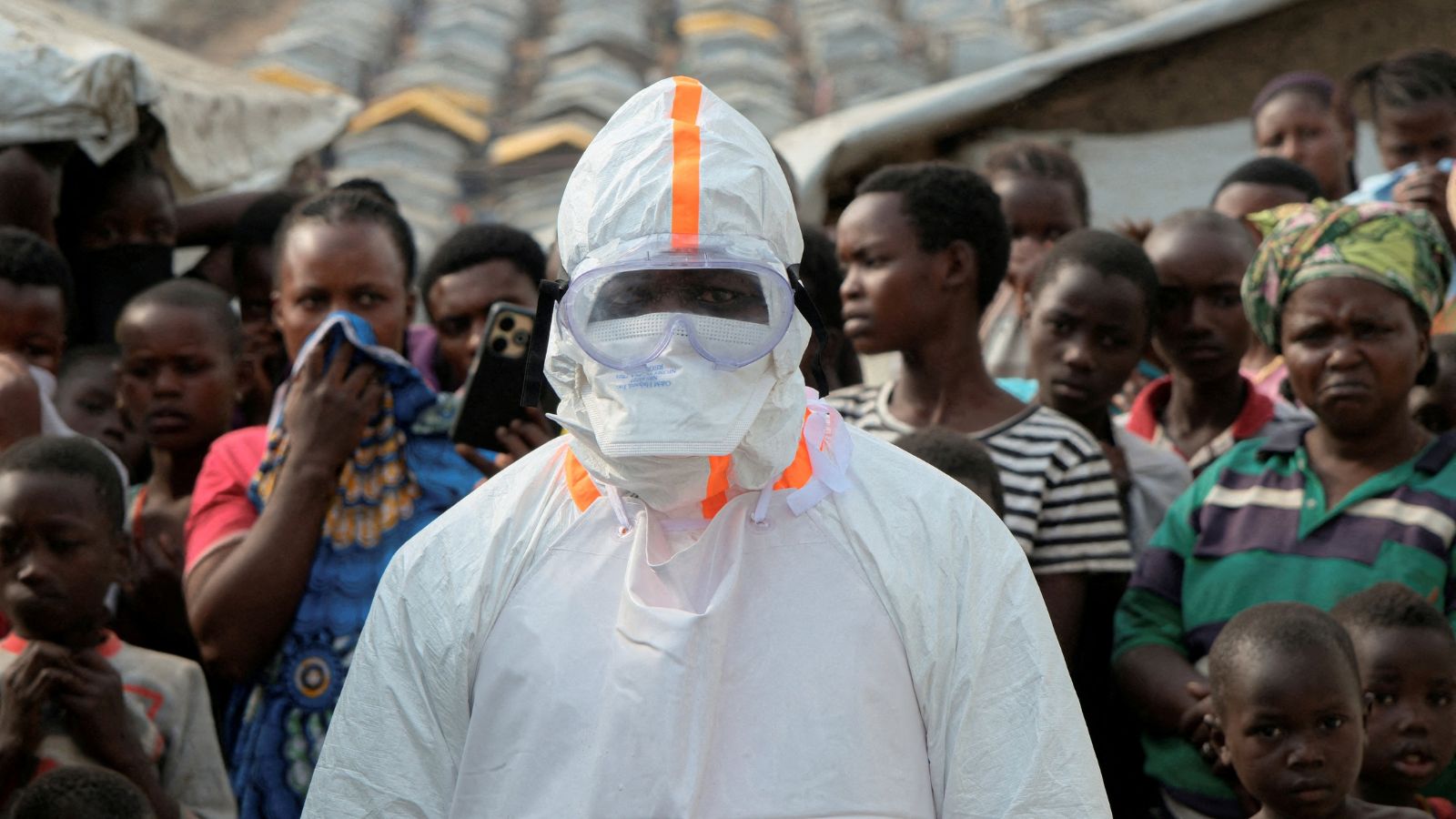
Western media loves a tragic narrative with simple villains. When the Democratic Republic of Congo hit 1,000 Ebola deaths during the 2018–2020 Eastern Congo outbreak, international headlines parroted the same script: militia violence and logistical shortages were halting life-saving medics.
That framing is not just incomplete. It is fundamentally backwards.
The narrative that Eastern Congo’s Ebola response failed because of local violence ignores a uncomfortable truth: the intervention structure itself fueled the conflict. Foreign aid agencies dumped hundreds of millions of dollars into a active war zone, created a parallel economic ecosystem that rewarded crisis over stability, and turned medical teams into targets.
Violence did not just magically appear to stop the medics. The bloated, top-down humanitarian apparatus actively incentivized it.
The Aid-Industrial Complex Built a Target
I have watched well-meaning global health bureaucracies throw capital at fragile regions with zero regard for local political economy. The result is always identical: massive distortion, deep resentment, and collateral damage.
When the World Health Organization and international NGOs flooded North Kivu and Ituri, they brought an influx of cash that disrupted local power dynamics overnight. SUV rentals were going for hundreds of dollars a day in a country where the average citizen survives on less than two dollars daily. Security contracts, logistics procurement, and daily allowances for response workers generated an economic boom centered entirely around a single virus.
Local populations were not stupid. They saw billions of dollars pouring in for Ebola—a disease that was killing thousands—while endemic killers like malaria, measles, and diarrhea were killing tens of thousands in the exact same villages with zero international outrage or funding.
Imagine a scenario where a foreign military task force sets up high-tech clinics in your neighborhood to treat one specific, rare illness while ignoring the fact that your water supply is poisoned and your kids are dying of malnutrition. You would not view them as saviors. You would view them as extractors.
The arrival of heavily armed escorts for medical personnel sealed the deal. By militarizing public health, international responders blurred the line between medical intervention and state counterinsurgency. Local armed groups did not see healthcare workers; they saw state intelligence agents and financial targets. Every attack on an Ebola treatment center became a lucrative leverage point to extort funding or assert control over land.
The Misguided Myth of "Logistical Shortages"
The conventional media line blamed "shortages" of supplies and personnel. This is a complete misdiagnosis of the problem.
There was no shortage of vaccines. Merck's rVSV-ZEBOV vaccine was a medical triumph, highly effective and deployed to over 300,000 people via ring vaccination strategies. There was no shortage of global attention or cash.
The shortage was trust.
Trust cannot be airlifted in from Geneva. When public health strategy relies on top-down directives from international experts who do not speak Swahili or understand the delicate tribal pacts of Kivu, compliance collapses. When compliance collapses, agencies resort to coercive tactics—using local police to enforce quarantines or force burials—which triggers violent resistance.
Public health is not an engineering problem where you simply dump resources into an equation and pull out eradication. It is a political contract. The response strategy treated the Congolese population as passive recipients of Western medical benevolence rather than active political actors with valid grievances against a corrupt central government.
The Mechanics of Crisis Monetization
To understand why the outbreak dragged on to become the second-largest in history, you have to follow the money.
Emergency declarations unlock massive, unrestricted funding streams. Responders get hazard pay. Local elites get lucrative transport and security contracts. Government officials in Kinshasa get a fresh bargaining chip for foreign assistance.
When a crisis becomes an economy, the incentive to permanently resolve it vanishes.
This does not mean individual doctors or field nurses were corrupt; the vast majority were heroic professionals risking their lives. But the macro-incentives of the global emergency response framework are deeply broken. The system rewards rapid deployment, high-visibility intervention, and massive capital expenditure. It penalizes slow, unsexy, long-term investments in basic healthcare infrastructure owned and operated by local communities.
If you pour $800 million into an emergency Ebola response while leaving the regional hospital without running water or basic personal protective equipment for general ward nurses, you have not solved a crisis. You have funded a temporary circus.
Fixing the Blueprint Requires Admitting the Failure
The contrarian path forward is uncomfortable for international donors because it requires giving up control and accepting lower profile victories.
First, dismantle the militarized response model. Public health operations should never travel with armed state escorts in active conflict zones. The moment a syringe is backed by a gun, neutrality is dead.
Second, pivot from disease-specific parachuting to horizontal health funding. Instead of creating elite, isolated Ebola treatment units, fund the existing local clinics so they can treat Ebola alongside malaria, typhoid, and maternal health complications. If the local community sees that the intervention improves overall healthcare rather than just protecting the West from a runaway filovirus, the hostility evaporates.
Third, shift resource ownership entirely to local civil society and community health networks. Local leaders, religious figures, and indigenous doctors knew how to navigate the social dynamics of North Kivu. They were routinely sidelined by foreign experts who prioritized rapid protocol execution over local diplomacy.
There is a cost to this approach. Decentralized, locally led responses are harder to track on a corporate dashboard in Washington or Geneva. They move slower in the setup phase. They do not generate the dramatic photo opportunities that drive donor fundraising campaigns.
But the alternative is what we witnessed in Congo: a billion-dollar response that escalated conflict, put targets on the backs of health workers, and allowed a preventable outbreak to claim over 2,200 lives before it finally burned out.
Stop blaming the failure of disease containment on local violence when the containment strategy itself is throwing fuel on the fire.


