Healthcare workers are supposed to be protected under international law. In the occupied West Bank, that protection has evaporated entirely.
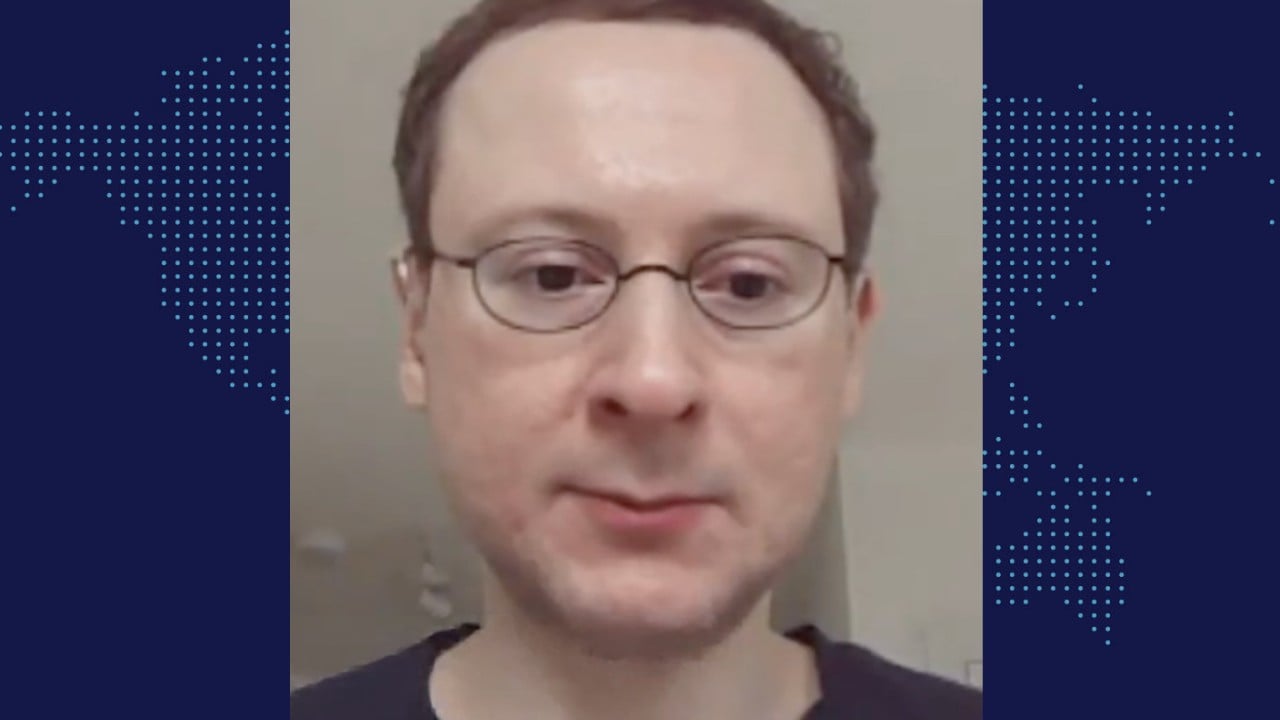
When armed Israeli settlers opened fire in the Al-Udeisa area of Sa'ir, northeast of Hebron, they weren't just targeting random civilian property. They permanently shattered the life of Mohammed Nabil Al-Mutawwar, a 27-year-old intensive care nurse who works at Dura Governmental Hospital. He was standing near the home he was building ahead of his wedding. A live round severed his spinal cord. He is now permanently paralyzed from the waist down.
This isn't an isolated mishap. It's part of an escalating pattern of violence sweeping across Palestinian communities, where medical personnel and emergency vehicles are routinely caught in the crosshairs of unchecked extremist aggression.
The Reality on the Ground in Hebron
Sa'ir has turned into a flashpoint. According to local municipal officials and the Palestinian Red Crescent, the gunmen came from a newly established outpost nearby. These outposts act as springboards for attacks on neighboring Palestinian villages.
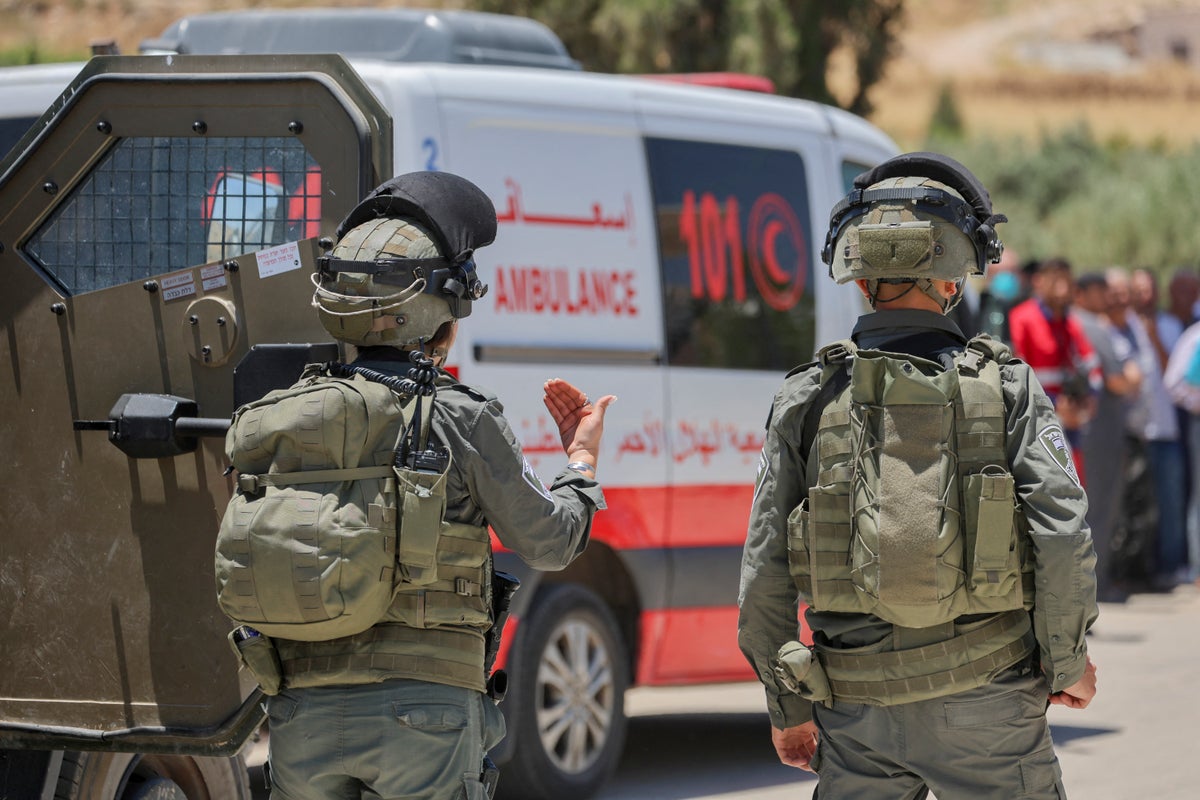
Al-Mutawwar wasn't the only casualty that Friday evening. A young woman standing nearby was also struck in the head and back by live rounds. When emergency responders tried to reach the wounded, ambulances faced severe delays. Reports from local humanitarian groups highlight that movement restrictions and direct interference by security forces routinely hamper medical access during crisis events.
You hear politicians talk about restraint, but the reality on the asphalt tells a different story. Nurses, doctors, and paramedics are operating in a war zone where their uniforms offer zero shield against high-velocity rifle rounds.
Why Healthcare Workers Are on the Frontline
People often wonder why medical professionals are getting shot far away from formal combat zones. The answer lies in the shifting nature of West Bank violence. Outposts expand, shepherds are harassed, and entire communities face nightly incursions. When villagers attempt to defend their homes or when rescue crews try to evacuate the injured, they become targets.
The Palestinian Nursing and Midwifery Association didn't mince words following the shooting. They stated publicly that targeting Al-Mutawwar was a calculated continuation of attacks designed to break the backbone of local medical infrastructure. When you take out an intensive care nurse, you don't just hurt one family—you strip an entire hospital ward of vital expertise.
And the numbers back up the grim trajectory. Palestinian health officials report that dozens of people have been killed by settler and military actions in the West Bank over the past year, while thousands of violent incidents have gone unpunished. Accountability remains virtually nonexistent. Arrests are rare, investigations stall, and the cycle repeats every single weekend.
What International Silence Means
Global human rights organizations keep issuing statements, but statements don't stop bullets. International bodies like the International Council of Nurses have been urged to step up pressure, yet tangible protection for medics remains absent.
When ambulances are pelted with stones and medical crews are pinned down by sniper fire, the humanitarian safety net collapses. Al-Mutawwar told reporters from his hospital bed at Al-Ahli Hospital in Hebron that despite his paralysis, he still intends to live in the home he built. That kind of resilience is staggering. But resilience shouldn't be a prerequisite for survival.
Until foreign governments move past hand-wringing and impose real consequences for settler violence, emergency responders in the West Bank will continue to pay the highest price simply for doing their jobs.