Silence is rarely peaceful. Sometimes, it is simply the sound of a roaring crowd vanishing into nothingness, leaving behind an echo that feels heavy enough to crush bone.
We imagine the golden cage from the outside, marveling at the gilt and the velvet, assuming that gilded bars somehow protect the soul inside from bruising. They do not. In fact, gold is cold to the touch. When you step away from the only world you have ever known—stripping off the heavy, suffocating uniform of duty, expectation, and centuries of tradition—you do not immediately step into freedom. You step into a vacuum.
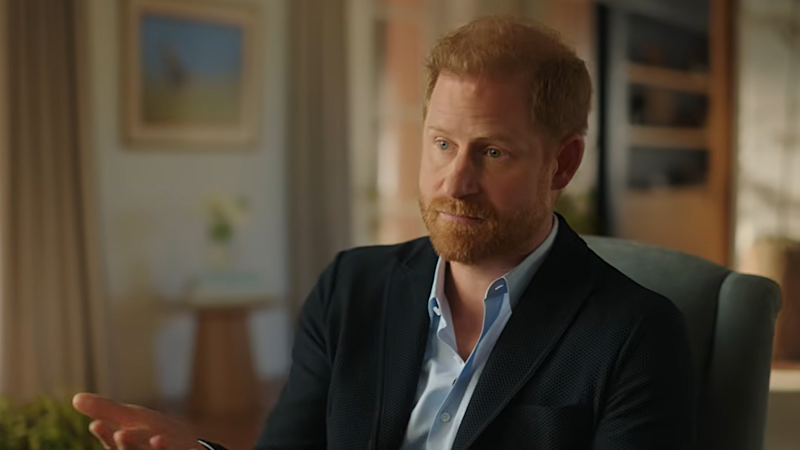
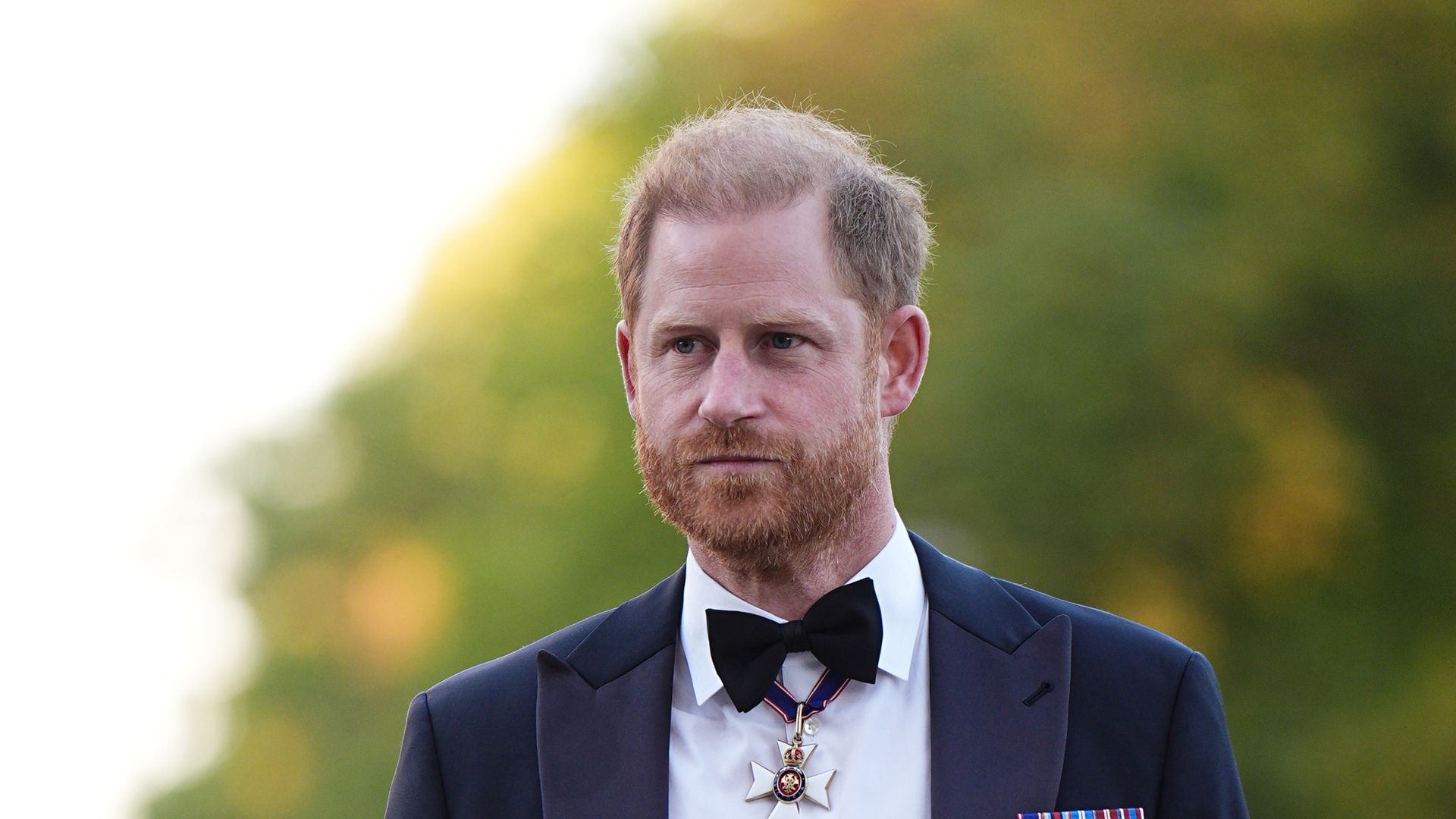
Prince Harry knew that vacuum intimately.
Years after packing up a life in the United Kingdom and relocating across an ocean to the sun-baked expanses of California, the reality of that transition settled in. It was not just a geographic relocation. It was an identity demolition. When your entire existence has been dictated by a royal title, military service expectations, and the relentless, suffocating hum of tabloid lenses tracking your every exhale, removing yourself from the machinery does not fix the machine inside your head.
Depression does not care about addresses. It does not check your passport, and it certainly does not respect your status as a prince.
Consider what happens when the adrenaline finally drains out of your bloodstream. For decades, survival meant bracing. It meant smiling through hostile crowds, standing on balconies while millions scrutinize your posture, and carrying the profound, unresolved grief of a lost mother under the unforgiving glare of flashbulbs. The nervous system becomes wired for war. Every flash is a threat. Every whispered headline is an attack.
And then, you leave.
You buy a house with green lawns and blue skies. You plant roots in a different hemisphere. The noise fades to a manageable hum. And that is precisely when the quiet arrives. Without the daily chaos to fight, the mind turns inward. The walls you built to keep the pain out suddenly become a prison keeping the trauma locked inside with you.
This is the hidden cost of transformation. We celebrate the escape, but we rarely speak of the disorientation that follows.
Healing is not a clean, linear ascent. It is a messy, backtracking, two-steps-forward-one-step-back kind of stumbling. In public discussions about mental health, we often look for neat resolutions. We want the celebrity interview where the pain is packaged neatly into a soundbite, tied with a bow of resilience, and presented as a triumph. But true recovery is far messier. It looks like sitting in a quiet room, staring at a wall, wondering who you are when nobody is watching you, cheering for you, or hissing at you.
When Harry spoke candidly about battling depression after the move, he pulled back the curtain on a universal human truth: geography cannot outrun internal despair. You can cross continents, change your career, alter your entire lifestyle, but the emotional ledger follows you. It demands to be settled.
We have all felt this, on varying scales. Maybe you did not leave a royal palace, but you left a toxic job, a lifelong hometown, or a relationship that defined your youth. You expected instant relief. Instead, you found a terrifying emptiness. Without the familiar friction of the old environment, you had to face yourself. And facing oneself is often the hardest battle of all.
The transition required a complete rewiring of how safety feels. Safety used to mean hyper-vigilance. Now, it had to mean vulnerability. It meant admitting that stepping away from toxic structures was only the first step; dismantling the internal fortress was the real work.
Therapy, open conversations, and the humbling realization that strength is not about enduring silent misery—these became the new tools. Not swords or shields, but quiet admissions of struggle.
There is a profound lesson hidden in the ongoing narrative of public figures navigating private pain. We project our desires for perfection onto them, forgetting that beneath the titles and the headlines are fragile nervous systems trying to make sense of a chaotic world. When a prince admits to feeling lost, isolated, and depressed despite living a life of apparent privilege, it grants permission to the rest of us. It shatters the myth that sorrow requires an invitation or an economic justification. Pain is simply pain.
And survival is simply waking up tomorrow and trying again, even when the California sun offers no immediate warmth to a spirit still thawing from the long, cold winters of the past.
The cameras eventually look away. The headlines cycle to something new. But the quiet remains. And in that quiet, the real work of becoming whole finally begins.