The desert does not whisper its secrets. It roars in the afternoon heat, a blinding sheet of white and copper where the horizon shimmers and dissolves into nothingness. Here, in the remote stretches of Sudan, the earth holds a quiet, heavy promise. It is a promise written in yellow veins running deep through ancient bedrock, guarded by miles of dust and blistering sun.
To understand why men climb down into the dark, you have to understand hunger. Not the polite emptiness between meals, but the persistent, gnawing hollow that comes when a country's currency turns to ash, when the markets stand empty, and when the future is nothing more than a blank wall.
Malik knew this wall intimately.
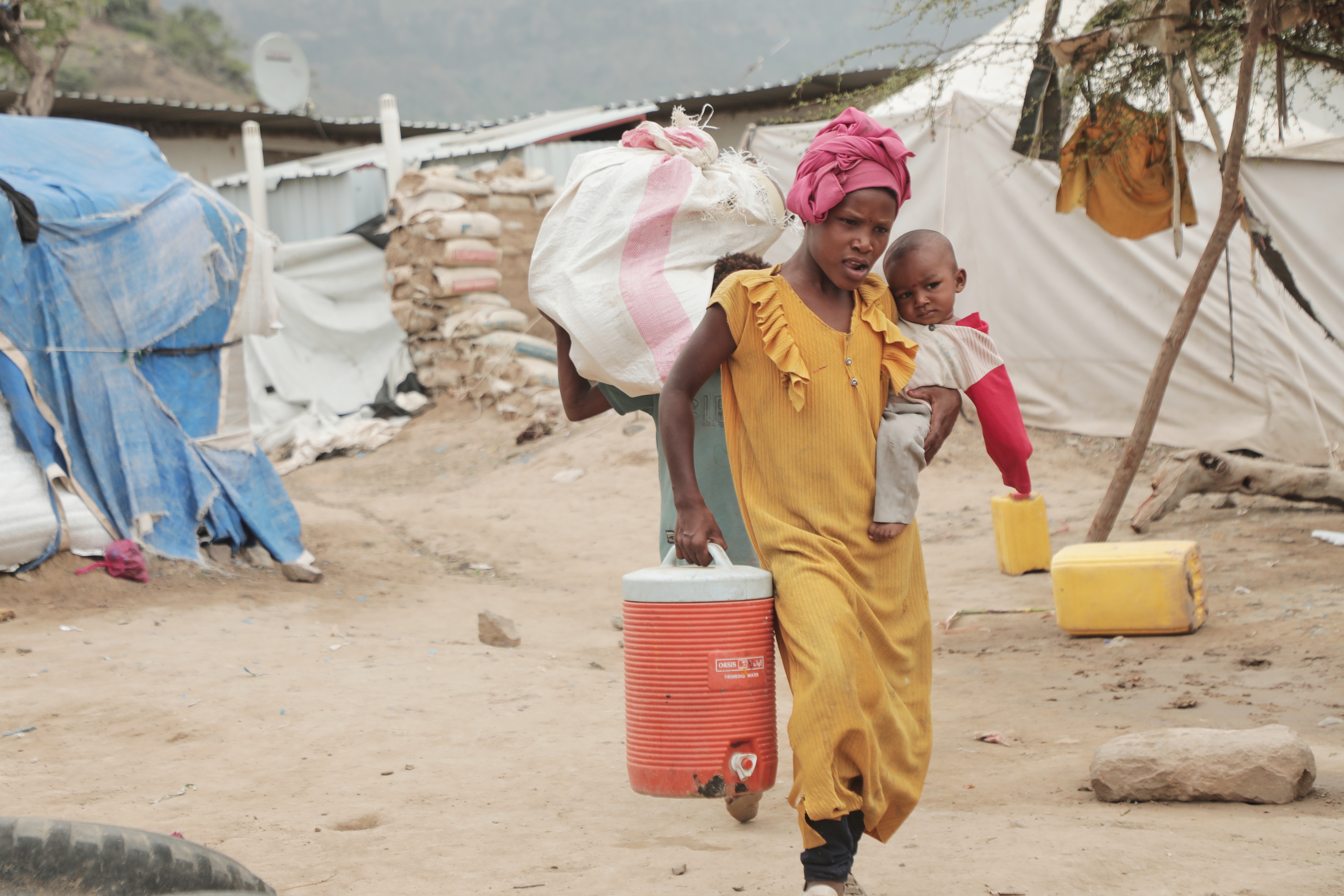
He was thirty-two, though the sun and the dust had aged him into a man of fifty. His hands were thick-skinned and cracked, permanently stained with the red iron of the desert earth. Every morning before dawn, while the air still held a fleeting chill, Malik strapped a heavy flashlight to his forehead and shouldered a rusted pickaxe. He walked past the sprawling cluster of tents and makeshift shacks that made up the mining camp, heading toward the shafts.
These were not engineered tunnels with steel beams and ventilation shafts. They were raw wounds carved into the crust of the earth by human desperation. Men dug down into the bedrock with hand tools, following the quartz veins wherever they twisted, sinking vertical pits twenty, thirty, fifty meters deep. They shored up the ceilings with splintered acacia branches and recycled oil drums, trusting wood that was already dry as bone to hold back thousands of tons of ancient stone.
The work was brutal, suffocating, and relentless. Below ground, the air grew thick and stale, smelling of sweat, diesel fumes from hand-cranked generators, and the sharp, metallic tang of pulverized rock. Miners worked in pairs or trios by the feeble beam of battery-powered headlamps, chipping away at the stone inch by inch. When a pocket of gold-bearing ore was freed, it was hauled up in woven sacks using frayed ropes and pulleys improvised from scrap metal.
For Malik, every strike of the pick was a gamble against starvation. A single rich bag of quartz could buy flour, sugar, and medicine for his children back in the village. It could pay off the debts he owed the camp merchants who sold water at exorbitant prices. That shimmering promise of gold was the only tether holding his family above the abyss.
And then came the sound.
It did not begin with a crash. It began with a sigh.
Deep within the subterranean labyrinth, the earth shifted. A low, subterranean groan echoed through the narrow tunnels, vibrating through the soles of Malik's bare feet before it even registered in his ears. The acacia props groaned, splintering with the sharp crack of rifle fire. Fine white dust rained down from the ceiling, stinging eyes and filling mouths.
In that fraction of a second, instinct fought against confusion. Some men scrambled toward the vertical shafts, shouting into the gloom. Others froze, paralyzed by the sudden, suffocating pressure of a collapsing world.
Then the roof gave way.
Tons of rock and sand cascaded downward, sealing the dark arteries of the mine in a heartbeat. The earth swallowed them whole. Above ground, the camp erupted into panic. Women dropped their cooking pots. Men dropped their shovels and ran toward the mouth of the pit, their shouts turning into ragged screams as they realized the scale of the disaster.
This was the tragedy that unfolded in the remote Sudanese wilderness, claiming at least sixty lives in a single, catastrophic collapse. It was not an isolated aberration, but the inevitable culmination of a quiet, ongoing crisis playing out across the margins of a fractured nation.
The Anatomy of a Forgotten Industry
Sudan is a land rich in mineral wealth, yet plagued by instability. For years, artisanal gold mining has served as the backbone of the informal economy. Millions of people, displaced by conflict, inflation, and climate shocks, have turned to the desert as a final refuge. They operate outside the bounds of formal regulation, without safety gear, engineering oversight, or emergency medical support.
Governments come and go in Khartoum, but the desert remains a law unto itself. In these remote areas, there are no inspectors to check the stability of underground shafts. There are no geologists to test the load-bearing capacity of the rock. There is only the frantic race between the collapse of the mine and the exhaustion of the miners.
Consider the economics of artisanal extraction. The miners do not own the heavy machinery used by industrial conglomerates. They use mercury to amalgamate the gold, poisoning themselves and their water sources in the process. They burrow blindly beneath hillsides and dry riverbeds, weakening the structural integrity of the earth with every kilogram of ore extracted.
When a shaft collapses, the response is rarely immediate or professional. There are no specialized rescue teams with seismic sensors or trained canine units stationed in the remote desert. Instead, the burden falls entirely on the survivors.
Within minutes of the mine cave-in, local miners grabbed whatever tools they had left. Shovels, pickaxes, bare hands. They clawed at the shifting debris, desperate to reach the men trapped beneath the tonnage of stone. They worked through the blistering heat of the day and the freezing chill of the night, driven by the knowledge that beneath the dirt lay their brothers, cousins, sons, and neighbors.
Every handful of dirt moved was a prayer. Every silence met in response to a shout was a crushing blow.
By the time the makeshift rescue operation reached its grueling end, the numbers told a devastating story. At least sixty bodies were recovered from the suffocating depths of the collapsed pit. Many more were injured, bearing fractures and internal trauma from the crushing weight of the earth.
The Invisible Stakes
Numbers on a screen are easy to dismiss. Sixty dead. Another mining accident. A distant tragedy in a corner of the world most people will never see on a map.
Strip away the statistics, however, and you find the true measure of the loss. Sixty men meant sixty households suddenly stripped of their primary breadwinner. It meant children pulled out of school because the tuition could no longer be paid. It meant wives and mothers left to navigate a harsh economic reality with zero social safety nets.
The gold recovered from those dangerous shafts does not enrich the communities that dig it. It passes through a complex network of local traders, middlemen, and smugglers, eventually finding its way into international markets. The human cost is paid entirely at the bottom of the ladder, in blood, sweat, and collapsed earth.
In remote mining camps, safety is viewed as a luxury few can afford. When a man must choose between feeding his family today and the remote possibility of a cave-in tomorrow, he takes the shaft every single time. The calculation is cold, brutal, and entirely rational within the grim framework of extreme poverty.
The collapse in Sudan serves as a grim mirror for a globalized addiction to precious metals. Every smartphone, every gold ring, every bullion bar sitting safely in a bank vault has a shadow attached to it. Somewhere in the world, someone took a terrifying risk in the dark so that glitter could be mined from the stone.
The Silence After the Storm
Back at the camp, the dust eventually settled.
The frantic shouting died down, replaced by the heavy, suffocating silence of mourning. In communities built entirely of canvas and corrugated iron, grief does not have the luxury of privacy. It is shared in the open air, under the unblinking gaze of the desert sun.
Makeshift shrouds were prepared. Prayers were whispered over bodies wrapped in simple white cloth. The burials were swift, dictated by the heat and the harsh realities of desert life.
Yet, even as the graves were filled, something else happened.
Barely a mile away, on the edge of the same gold-bearing ridge, another group of men gathered. They shouldered their pickaxes. They uncoiled their frayed ropes. They looked toward the dark mouth of a new shaft, freshly dug into the slope, waiting for them.
The gold was still there. The hunger was still there.
The earth had taken its toll, exacting a brutal payment in blood and bone, but the desert did not stop whispering its promises. And as long as the poverty remained deep enough, men would continue to answer the call, descending into the dark beneath the sand, chasing a glimmer of light that might just cost them everything.