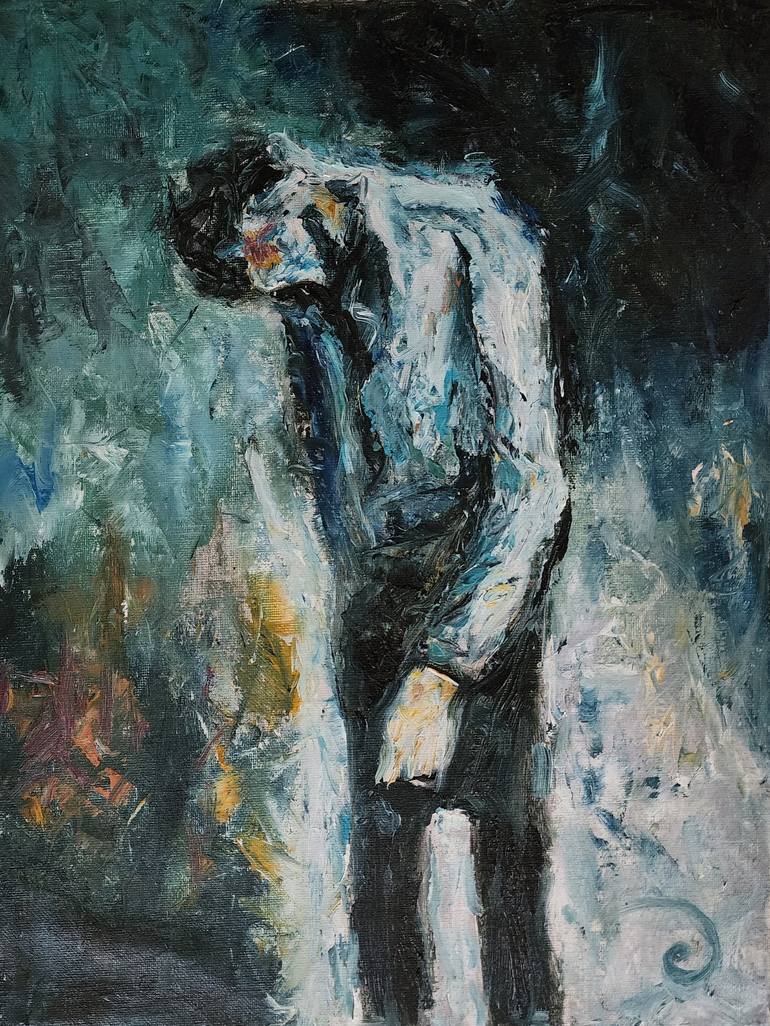
Dawn smells like cold iron and damp concrete.
If you have ever stood inside a British prison at five in the morning, you know the silence. It is not the quiet of a sleeping countryside or an empty library. It is a heavy, pressurized vacuum. It is the sound of two thousand human beings packed into Victorian brickwork, holding their breath, waiting for the heavy steel keys to rattle in the locks.
Right now, that rattle sounds different. It sounds hollow.
Andy Burnham is discovering what happens when a politician runs out of runway. For years, the Mayor of Greater Manchester has played the role of the northern insurgent, the plain-speaking voice of the people standing up against Westminster's blind spots. He has traded in righteous indignation, drawing sharp lines between the corridors of power in London and the reality of the streets outside. It has won him loyalty. It has won him elections.
Governance is harder than grievance.
Today, the prisons crisis is not a distant policy paper or a talking point for a Sunday morning interview. It is a daily emergency happening in the backyard of his city. Overcrowding has reached a breaking point. Staff are stretched to the point of structural failure. The numbers are staggering, but numbers are just cold shields designed to keep the horror at a distance.
Let us strip away the bureaucratic jargon.
Imagine walking down a landing where the doors are lined with cardboard because the damp rots the frames. Imagine three men crammed into a cell built for one during the reign of Queen Victoria. They spend twenty-three hours a day staring at each other's knees. Tempers fray. Fights break out over a spilled cup of tea. By evening, the air is thick with the metallic tang of fear and unwashed laundry.
This is where the political theory meets the brick wall.
Burnham has built his career on a simple premise: local leaders know best, and if Westminster would simply hand over the keys, the North could heal itself. But power comes with a terrifying catch. When you demand the wheel, you can no longer blame the driver when the car goes off the cliff.
The justice system is buckling under its own weight. Courts are clogged. Remand populations are swelling because cells are simply full. When prisons overflow, the shockwaves travel outward with brutal efficiency. They hit the probation service, which is already drowning in caseloads. They hit the local communities tasked with absorbing men and women released back onto the streets with £46 in their pockets, no home to go to, and a referral slip for a drug treatment program that has a six-month waiting list.
Failure has a ripple effect.
Consider a hypothetical neighborhood in Salford. A local convenience store gets broken into for the third time this month. The shopkeeper, a man named Arthur who has run his business for thirty years, looks at the CCTV footage with dead eyes. He doesn't even call the police anymore. He knows the drill. The police will take a report. If an arrest is made, the courts will struggle to find a trial date. If a conviction is secured, the prison service will look at the intake sheet, shake their heads, and release someone else early to make room.
The system is not just strained. It is broken.
This is the crucible facing Burnham. The public expects him to have answers because he has spent a decade positioning himself as the man with the moral clarity to fix what Westminster breaks. Yet, local leaders have limited direct control over the penal estate. It is a centralized beast managed by the Ministry of Justice.
Here is the trap.
If Burnham stays silent, he looks like a hypocrite. He appears as just another career politician who loves the microphone when it is time to throw punches, but goes quiet when the punches start landing close to home. If he speaks out, he risks stepping into a bureaucratic quagmire where his words collide with the harsh realities of national budgets, union disputes, and judicial independence.
The first real test of a leader is never about the victories they inherit. It is about the disasters they are forced to navigate when the spotlight turns white-hot and there is nowhere left to hide.
We have watched this pattern play out before. A charismatic figure rises on a wave of populist frustration. They promise a new way of doing things. They talk about dignity, community, and common sense. But systemic rot does not care about charisma. It does not pause for a press conference.
The prison population in England and Wales hovers near record highs, pushing capacity limits so aggressively that emergency measures like Operation Early Release have become the default state of affairs. When you let people out early simply because there is nowhere to put the next batch of arrivals, the social contract begins to fray at the edges.
People feel it. They sense the erosion of safety. They wonder why the streets feel less secure, why antisocial behavior goes unchecked, why the institutions meant to hold society together feel like cardboard bridges over raging rivers.
Burnham knows this. Behind the polished media appearances, there is the quiet panic of a man realizing that his usual playbook will not work here. You cannot out-rhetoric a lack of physical space. You cannot spin your way past a cell block with fifty broken windows and a staff vacancy rate of thirty percent.
The stakes are existential.
If Greater Manchester cannot model a better way to handle the intersection of justice, rehabilitation, and local governance, then the entire devolution project takes a hit. The promise that local regions can govern themselves better than Whitehall falls apart under the weight of reality.
Look closely at the days ahead.
The noise will grow louder. The demands for accountability will sharpen. Every incident inside those Victorian walls will be laid at the mayor's feet, fairly or unfairly. The luxury of distance is gone.
The key turns in the lock. The heavy iron door swings inward. Inside, the air is stale, waiting for a spark that nobody wants to see. Burnham stands outside, holding the handle, finally facing the room he asked to enter.