The Predictable Panicked Playbook
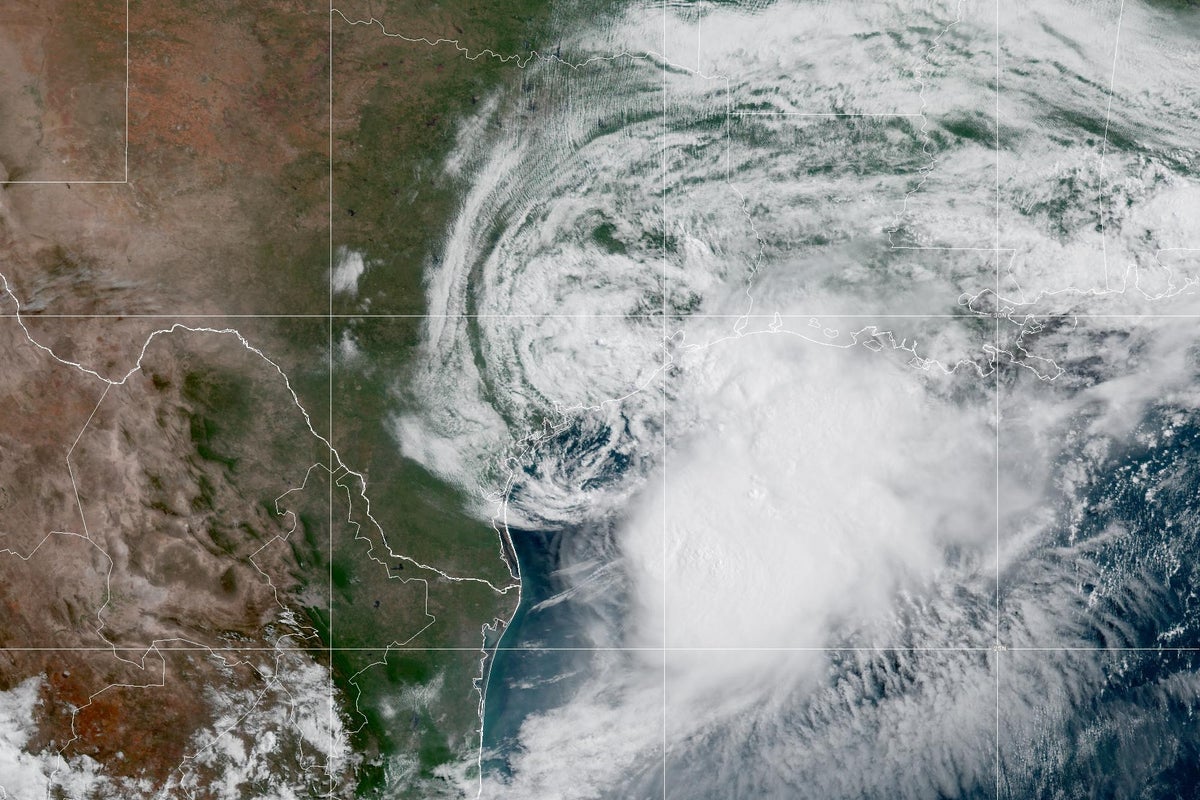
The sports media machine has a favorite script. When a major sporting event collides with a tropical weather system, the coverage shifts instantly from tactical analysis to disaster forecasting. We are seeing it happen again with Tropical Storm Arthur and its projected path toward Texas, right as global soccer fans converge for high-stakes World Cup matches.
The standard narrative is already locked in. Outlets are pumping out headlines designed to make you think the entire tournament is on the verge of being washed away. They point to radar loops, quote generic emergency management boilerplate, and imply that FIFA is caught entirely flat-footed. Also making headlines recently: What the New Liverpool FC Investment Deal Actually Means for the Club.
It is a lazy consensus. It treats modern, multi-billion-dollar sports infrastructure like a local youth league game scheduled on a patchy municipal field.
The reality? The matches will proceed. The stadiums will hold. The real disruption isn't the wind or the rain; it is the logistical panic generated by sensationalized reporting that fundamentally misunderstands how modern sports engineering and event management operate. Further information regarding the matter are explored by Sky Sports.
The Illusion of Vulnerability in Elite Stadium Engineering
To understand why the alarmism is unfounded, you have to look at where these matches are actually being played. Houston’s NRG Stadium and Dallas’s AT&T Stadium are not flimsy, open-air venues vulnerable to a standard tropical system. They are massive, fortified engineering marvels designed specifically to withstand severe Gulf Coast weather.
Let’s break down the actual mechanics of these venues, which the mainstream sports press routinely ignores:
- Retractable Roof Systems: Both major Texas venues feature massive retractable roofs. When a storm approaches, the roof closes. The game transforms instantly from an outdoor element-driven match into a controlled, indoor arena event.
- Structural Wind Loads: These stadiums are engineered to meet strict coastal wind building codes, capable of handling forces far exceeding what a typical tropical storm delivers.
- Independent Power Infrastructure: Elite venues do not rely solely on the local municipal grid during a crisis. They operate with massive backup generation systems to keep the lights, broadcasts, and safety mechanisms running without interruption.
I have spent years analyzing stadium operations and sports logistics. I have watched venues navigate severe weather warnings while the public text feeds overflowed with panic. The gap between public perception and operational reality is vast. Inside the stadium command center, a tropical storm is not an existential threat. It is a known variable with a pre-programmed operational response.
FIFA’s Hidden Operational Playbook
Critics love to paint FIFA as a rigid, bureaucratic monolith incapable of adapting to fast-moving situations. While that critique holds water when discussing international sports politics, it fails completely when applied to on-the-ground tournament operations.
FIFA does not arrive in a host city a week before the tournament and hope for the best. The operational planning for a World Cup begins years in advance, and severe weather mitigation is a massive line item in those plans.
+------------------------------------+------------------------------------+
| The Media Myth                     | The Operational Reality            |
+------------------------------------+------------------------------------+
| A storm will force sudden, chaotic | Pre-arranged contingency windows   |
| cancellations and strand teams.    | allow for precise kickoff shifts.   |
+------------------------------------+------------------------------------+
| Infrastructure will fail, causing  | Redundant power, water, and        |
| a total broadcast blackout.        | communication lines are mandatory. |
+------------------------------------+------------------------------------+
| Fans will be left entirely to fend | Local authorities coordinate       |
| for themselves in the elements.     | transit changes days in advance.   |
+------------------------------------+------------------------------------+
The protocols are ruthless and efficient. If a storm poses a legitimate threat to fan transit, the match timing is adjusted. It isn't cancelled; it is shifted into a safer window. The broadcast agreements, worth billions, dictate that the games must happen. The logistical machinery is built to bend, not break.
Dismantling the Premise of Fan Danger
"What about the thousands of fans traveling to the match? Isn't it irresponsible to keep the gates open?"
This is the standard question thrown at event organizers during any weather event. It sounds reasonable on the surface, but it misdiagnoses the actual risk environment.
Canceling a massive event at the last minute often creates far more chaos and danger than proceeding in a controlled environment. Imagine a scenario where 70,000 fans, many of them international travelers unfamiliar with local geography, are suddenly turned away from a secure, enclosed venue and forced out into a city with disrupted hotel bookings and altered public transit schedules.
An enclosed stadium is frequently the safest, most structurally sound building in the entire metropolitan area. It has dedicated medical staff, massive stockpiles of resources, and direct lines of communication with state and local law enforcement. Keeping the event moving inside a fortified structure keeps the crowd concentrated, managed, and safe.
The real challenge isn't the weather inside the stadium footprint. The challenge is the ripple effect on regional transportation.
The True Cost of Tactical Alarmism
When the media hyper-focuses on the specter of a ruined tournament, they miss the actual story. The hyperbole has real economic consequences.
Flight cancellations spike because airlines react to the media narrative rather than the actual meteorological data. Local hospitality businesses face sudden, unnecessary cancellations from domestic travelers who get spooked by non-stop cable news coverage.
This isn't to say that tropical storms should be ignored. Heavy rain causes localized flooding, and high winds demand caution. But treating a tropical storm as a tournament-ending catastrophe is a disservice to fans and an insult to the thousands of logistics professionals who manage these events for a living.
The counter-intuitive truth of modern international sports is that the show doesn't just go on because of greed. It goes on because the infrastructure built to support it is simply too big, too engineered, and too resilient to be stopped by a standard summer storm.
Stop watching the radar loops with dread. Stop reading the panic-laden live blogs. The pitch is protected, the roofs are closing, and the whistle will blow right on time.