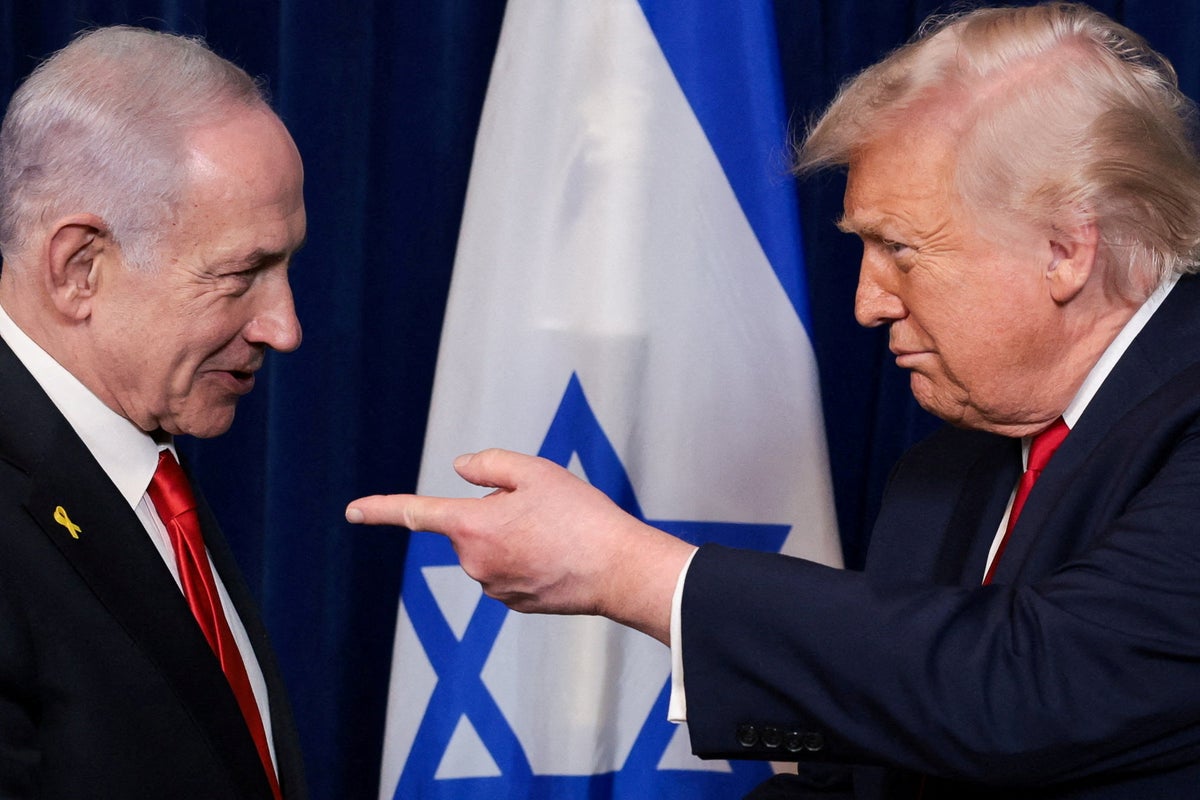
International pressure is reaching a boiling point over a multi-day standoff in the occupied West Bank, where extremist settlers have trapped Palestinian families inside their homes. Washington wants Israeli Prime Minister Benjamin Netanyahu to break his silence and publicly condemn the siege. But as usual, political calculations are standing in the way of basic law enforcement.
The standoff centers on the northern West Bank village of Qusra, near Nablus. For nearly a week, extremist settlers have surrounded residential homes, cutting off access and trapping residents inside. The situation escalated from sporadic harassment into a full-scale territorial lockdown. According to human rights organizations and local accounts, this is part of a broader, aggressive push to expand illegal outposts and displace Palestinian communities.
What changed the diplomatic math for Washington? Officials confirmed that the home of a Palestinian-American is among those caught under the settler siege. That specific detail transformed a localized human rights violation into an urgent foreign policy flashpoint.
Even the diplomatic language coming from American representatives has turned sharp. U.S. Ambassador to Israel Mike Huckabee, typically a staunch and vocal supporter of West Bank Jewish settlements, publicly labeled the actions of the besieging settlers as "Israeli terrorists". That kind of rhetoric from a pro-settlement envoy highlights just how extreme the Qusra incident has become.
Yet, Netanyahu has maintained absolute radio silence.
The Political Trap Behind Netanyahu's Silence
Why won't the Israeli prime minister speak out? Domestic politics offer a grim explanation. Netanyahu leads a fragile, hard-line coalition government that relies heavily on right-wing factions and pro-settler constituencies. Condemning extremist settlers openly carries massive political risks for him, especially with upcoming elections on the horizon and his security credentials already battered.
Other high-ranking Israeli figures have started breaking ranks, though. Defense Minister Israel Katz dismissed the perpetrators as "hilltop youths," while Israeli Ambassador to the U.S. Yechiel Leiter condemned the behavior as a "gang of hooligans" creating destructive anarchy. Despite these verbal distancing tactics from cabinet members, security forces on the ground have faced fierce criticism for moving too slowly—or failing entirely—to clear the illegal outposts and restore order.
Meanwhile, the human cost on the ground is stark. Residents trapped inside the besieged houses, including women and children, have described living in absolute terror. Basic supplies like water and electricity have been heavily restricted. When foreign and Israeli activists attempted to deliver emergency food and medical supplies, soldiers turned them away under the pretext of a closed military zone.
Growing Anarchy Across the West Bank
The crisis in Qusra isn't happening in a vacuum. Settler violence across the West Bank has surged dramatically over the past three years. Far-right elements within the Israeli government have historically downplayed these incidents, categorizing them as isolated acts by rogue youths. Critics argue that state funding for unauthorized outposts and a pervasive culture of impunity have actively fueled the lawlessness.
International observers are running out of patience. European diplomats and human rights experts have repeatedly warned that unchecked physical and psychological intimidation is quietly hollowing out any remaining framework for a future Palestinian state. When the state fails to protect civilians from extremist factions within its own borders, the line between law enforcement and complicity starts to blur.
The White House is demanding accountability, but empty diplomatic statements won't clear the roads in Qusra. Until Netanyahu decides that international law and basic human safety matter more than his coalition's survival, the cycle of impunity will keep spinning. Watch how the administration follows through once diplomatic channels fail to yield results.