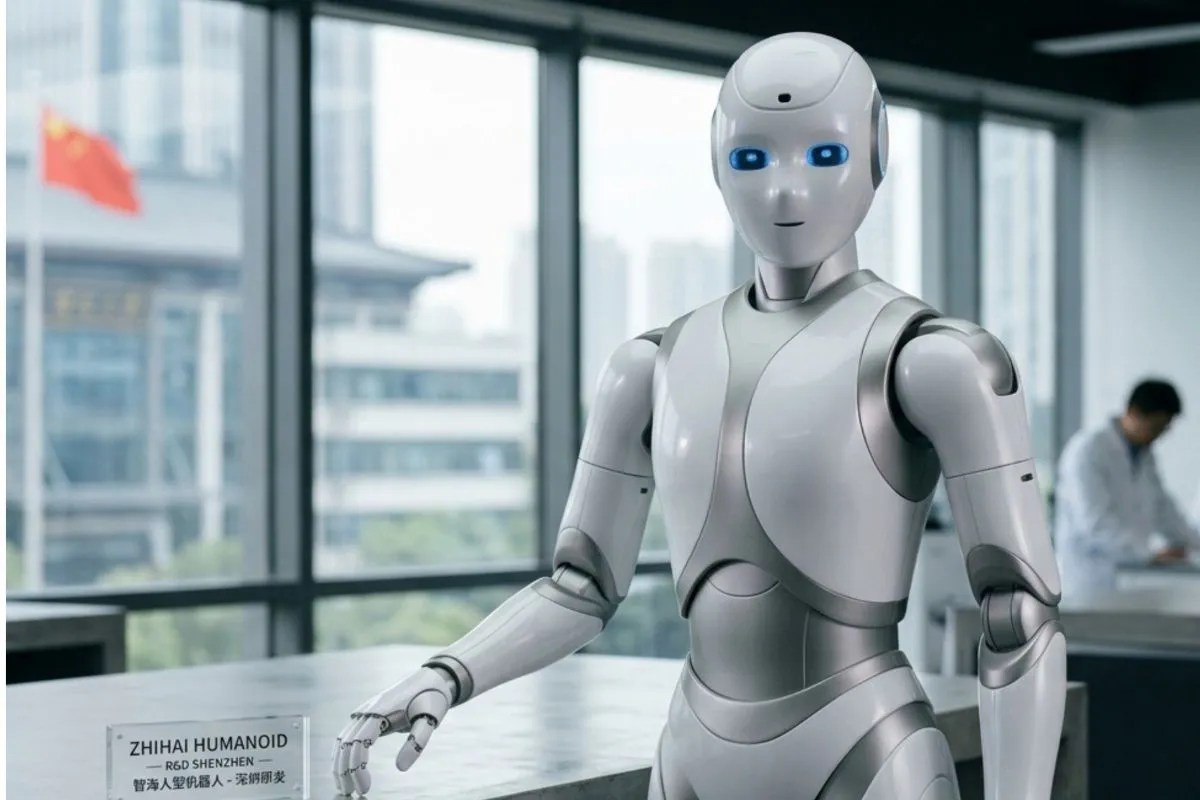
The Federal Communications Commission just drew a hard line in the sand. On Tuesday, the Trump administration announced a sweeping ban on new foreign-made humanoid robots and four-legged machines, targeting the surging wave of advanced hardware coming out of China. Power inverters used in data centers and solar setups got dragged into the prohibition too.
If you thought trade restrictions were going to stay restricted to semiconductors and electric vehicles, you were wrong. Washington is now looking straight at the factory floor and the research lab.
Let's look at what this actually means for the robotics industry. It is a massive pivot.
The Reality Behind the FCC Covered List
The FCC dropped these advanced machines onto its Covered List. That register explicitly flags goods and services deemed an unacceptable threat to national security. FCC Chairman Brendan Carr didn't mince words about securing critical supply chains.
The official reasoning comes down to data and control. Regulators argue that connected humanoid robots and quadrupedal robot dogs collect massive amounts of environment and spatial data. They worry foreign actors could use that information to map facilities, spy on infrastructure, or even remotely commandeer hardware.
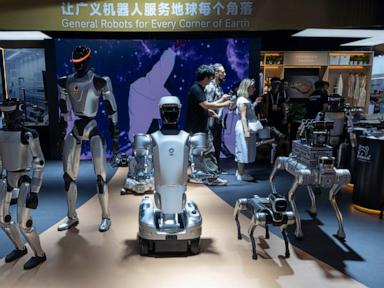
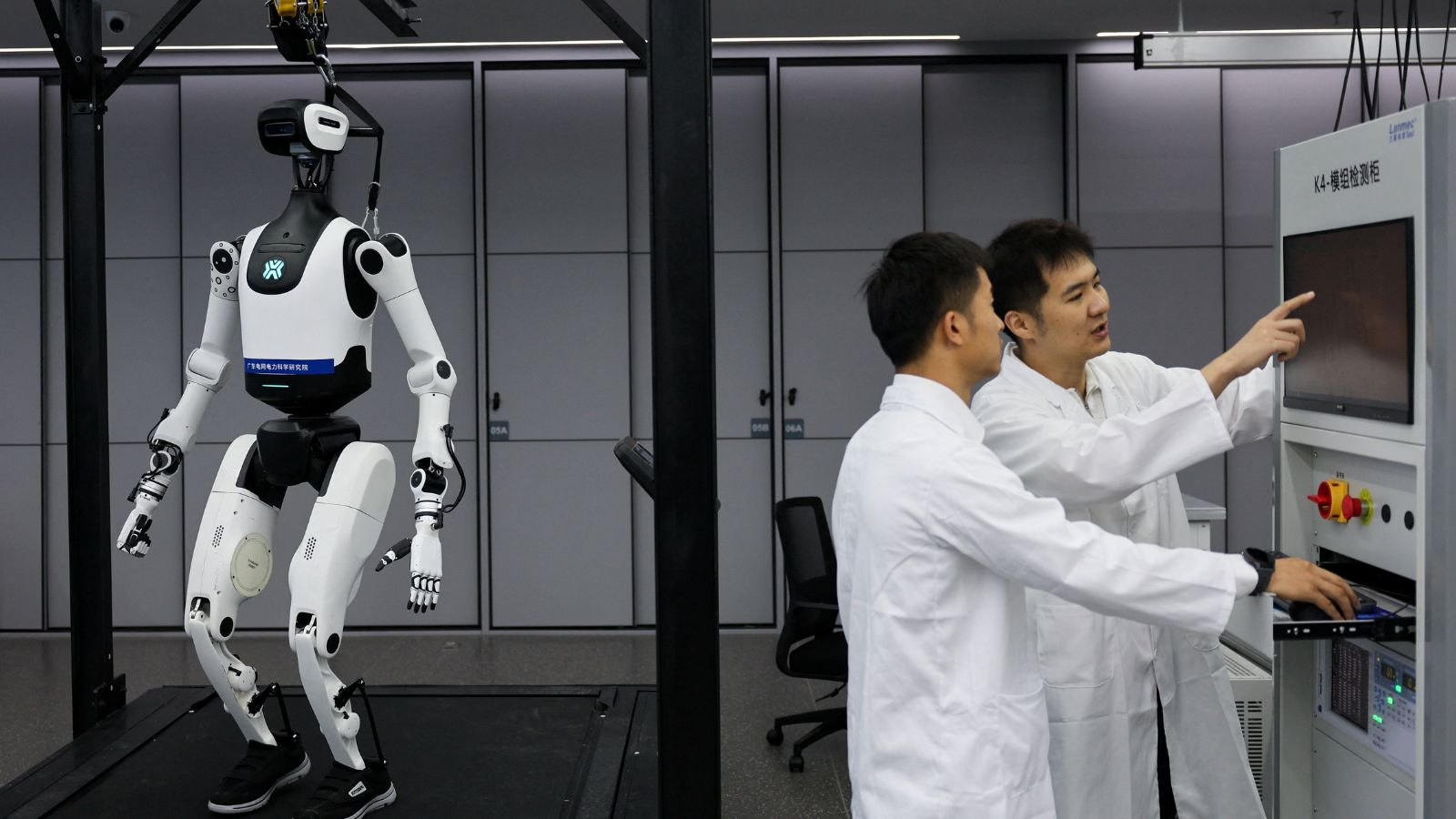
China currently dominates this space. Barclays data indicates that Chinese manufacturers accounted for roughly 85% of global humanoid robot deployments last year. Companies like Unitree scaled production and dropped unit costs way faster than Western alternatives.
When American universities and research startups wanted affordable hardware to test artificial intelligence models and automation software, they bought Chinese platforms. Domestic options like Boston Dynamics' Spot or enterprise-tier quadrupeds carry heavy price tags that lock out smaller labs. This new barrier changes the economics of robotics research overnight.
What Happens to US Labs and Startups Now
Research institutions are going to feel this squeeze immediately.
If you are a grad student or an engineer running tests on mobility algorithms, your hardware options just shrank to almost nothing. Domestic manufacturers simply do not mass-produce accessible, off-the-shelf bipedal and quadrupedal platforms at scale the way Chinese firms do.
Existing hardware already authorized by the FCC remains legal to operate. You can keep running the machines you already own. But getting your hands on new units will range from difficult to impossible unless domestic manufacturing dramatically accelerates.
The administration wants to force a reshoring boom. The logic is simple: protect the domestic artificial intelligence buildout from foreign vulnerabilities by forcing the ecosystem to build its own physical vessels. But building physical hardware takes years. Supply chains for specialized motors, actuators, and advanced chips cannot be spun up in a weekend.
The Broader Geopolitical Chessboard
This ban doesn't exist in a vacuum. It sits right in the middle of escalating tech tensions heading into a planned autumn summit between President Donald Trump and Chinese leader Xi Jinping.
Washington is also weighing restrictions on Chinese open-weight artificial intelligence models, aiming to curb models that match Western capabilities at a fraction of the training cost.
The Chinese embassy in Washington responded sharply, urging the United States to stop using groundless pretexts to target its companies and warning that Beijing will take necessary measures to protect its interests.
You are watching a complete decoupling of physical automation tech. Hardware and software are no longer neutral tools. They are geopolitical territory.
If you are building a robotics startup, stop waiting for cheap imported platforms to test your software stack. Start looking at domestic component suppliers, or prepare to build your own actuators from scratch. The rules of the game just changed for good.