Your brokerage account is bleeding red and the headlines are screaming about a global meltdown. It's March 2026, and the escalation between the U.S., Israel, and Iran has turned the Strait of Hormuz into a literal no-go zone. Oil just cleared $107 a barrel. If you're looking at the S&P 500's 1.2% dip today and panicking, you're missing the bigger picture. Geopolitical shocks feel like the end of the world, but they rarely are for the disciplined investor.
Markets hate uncertainty more than they hate bad news. Right now, the uncertainty is thick. But history—and the current tape—shows a massive divide between the losers and the winners. While airlines and paint manufacturers are getting crushed by fuel and raw material costs, other sectors are quietly thriving. This isn't a total market collapse. It's a violent rotation.
The reality is that "the market" isn't a single entity. It's a collection of businesses. Some of those businesses happen to get much more valuable when the world gets dangerous.
The Winners Hiding in the Chaos
When missiles fly, governments open their wallets. It’s a grim reality of the business world. Defense contractors like Northrop Grumman and RTX (formerly Raytheon) aren't just holding steady; they're rallying. In the last week alone, these stocks have jumped nearly 6% while the broader tech indices floundered. This isn't just about the current conflict. It's about the 2026-27 budgets. The U.S. and its allies are realizing their munitions stockpiles are thin. That means multi-year contracts and guaranteed revenue for the people who build the hardware.
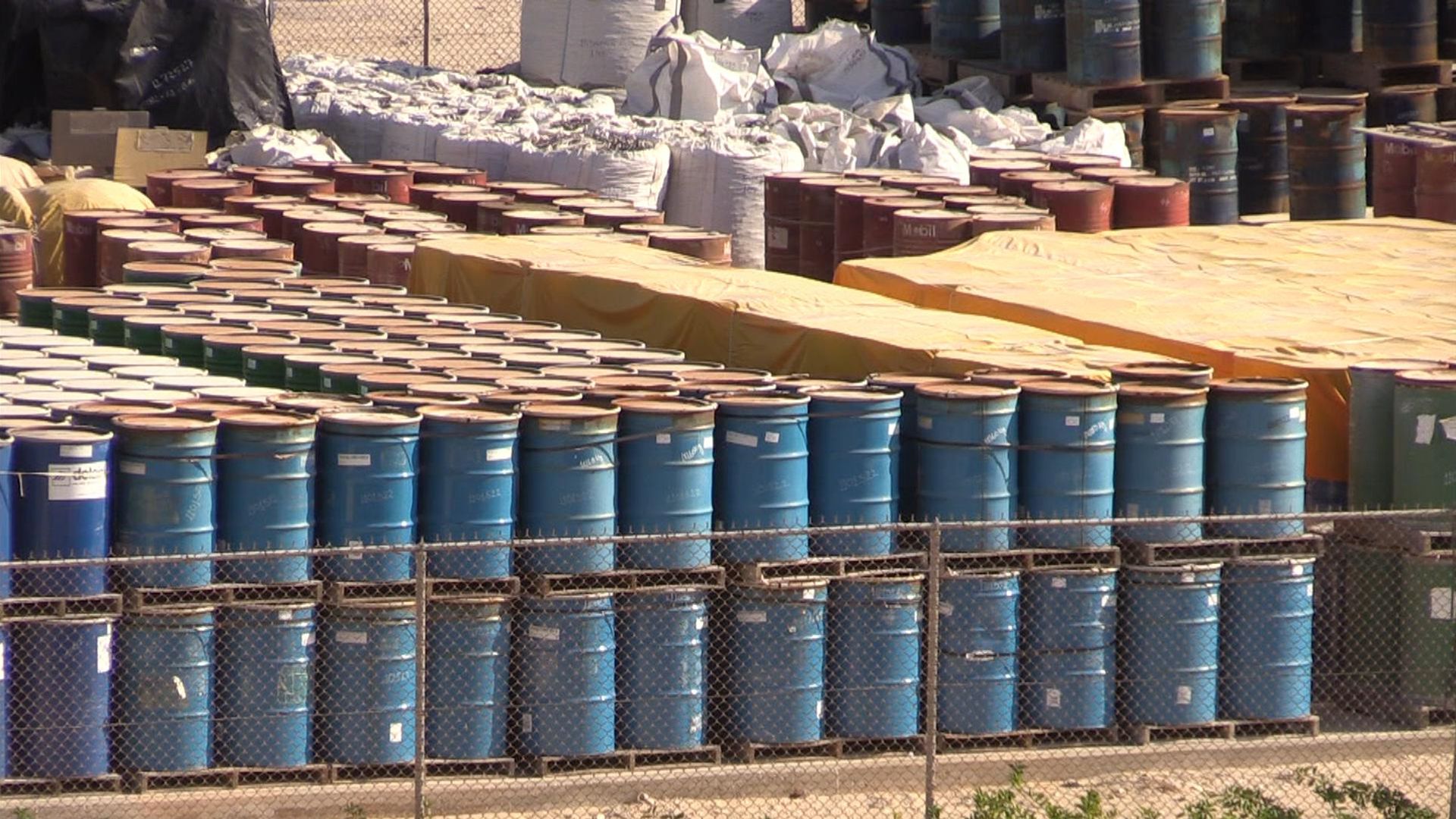
Then you have the energy giants. If you own Exxon Mobil or Marathon Petroleum, you're likely seeing green. With 20 million barrels of oil a day effectively stranded in the Persian Gulf, the price of crude has surged over 30% in a week. U.S. shale producers are in a unique position. Since the U.S. is now a net exporter, these companies are selling a high-demand product at record prices without the immediate physical risk of their Middle Eastern counterparts.
- Defense Stocks: They act as a natural hedge. When the world gets less safe, their order books get heavier.
- Upstream Energy: Companies that pull oil out of the ground benefit directly from the $100+ price tag.
- Cybersecurity: War in 2026 isn't just physical. As digital retaliation becomes a standard tactic, firms like CrowdStrike and Palo Alto Networks become essential infrastructure.
Where the Real Pain Is Felt
You don't want to be holding companies that "eat" oil. Look at the airline industry. American, United, and Delta are taking a triple hit. Jet fuel prices are skyrocketing, flight paths are being rerouted to avoid conflict zones (which costs more fuel), and travelers are getting cold feet. A 25% spike in fuel can slash airline margins by 500 basis points almost overnight.
It’s not just travel. Think about the stuff you use every day. Paint companies and tire manufacturers rely heavily on petroleum-based chemicals. For a company like Sherwin-Williams or Goodyear, crude oil isn't just fuel; it's their primary raw material. When oil stays above $90, their profit margins don't just shrink—they evaporate.
Retail is also in the crosshairs. We're seeing a "fertilizer shock" right now because a huge chunk of global urea and sulphur exports pass through the Strait of Hormuz. This is going to hit food prices by summer. If you're a consumer discretionary company—selling stuff people want but don't need—you're about to fight for a smaller slice of the consumer's wallet.
The Safe Haven Surprise
Typically, when things go south, everyone runs to gold. But March 2026 is proving weird. Gold and silver actually crashed 3.5% this week. Why? Because the U.S. Dollar is eating everything.
Investors aren't just scared; they're worried about inflation. High oil prices mean the Federal Reserve can't cut interest rates as fast as people hoped. In fact, there's talk of hikes. That makes the Dollar the ultimate safe haven. It’s the "Dollar Smile" in action. The U.S. economy looks resilient enough to handle the shock, and its currency offers a yield that gold simply can't match.
How to Manage Your Portfolio Right Now
Stop checking your 401k every hour. Seriously. Geopolitical events usually cause a "V-shaped" recovery. Morgan Stanley data shows the S&P 500 is typically higher six months after a conflict starts than it was the day before.
- Rebalance, don't retreat: If your tech-heavy portfolio is down, don't sell at the bottom. Check your exposure to energy and defense. If you have zero, you're not diversified.
- Watch the Fed, not the missiles: The war is the headline, but interest rates are the bottom line. If the Fed stays hawkish because of oil-driven inflation, growth stocks will struggle longer than the actual fighting lasts.
- Look for the "Fertilizer Lag": Keep an eye on agricultural stocks. The supply chain disruption in the Middle East won't hit grocery stores for three months. There's still time to position for the food inflation that's coming.
The market isn't plummeting; it's adjusting to a new cost of doing business. If you're holding high-quality companies with strong cash flows, they'll navigate the high energy costs. The firms to dump are the ones buried in debt that can't pass their rising costs on to the customer.
Review your "oil-sensitive" holdings today. If you have significant exposure to airlines or chemical-heavy manufacturing without an energy hedge, you're carrying more risk than you think. Start shifting toward large-cap value and domestic energy producers to balance the volatility.


