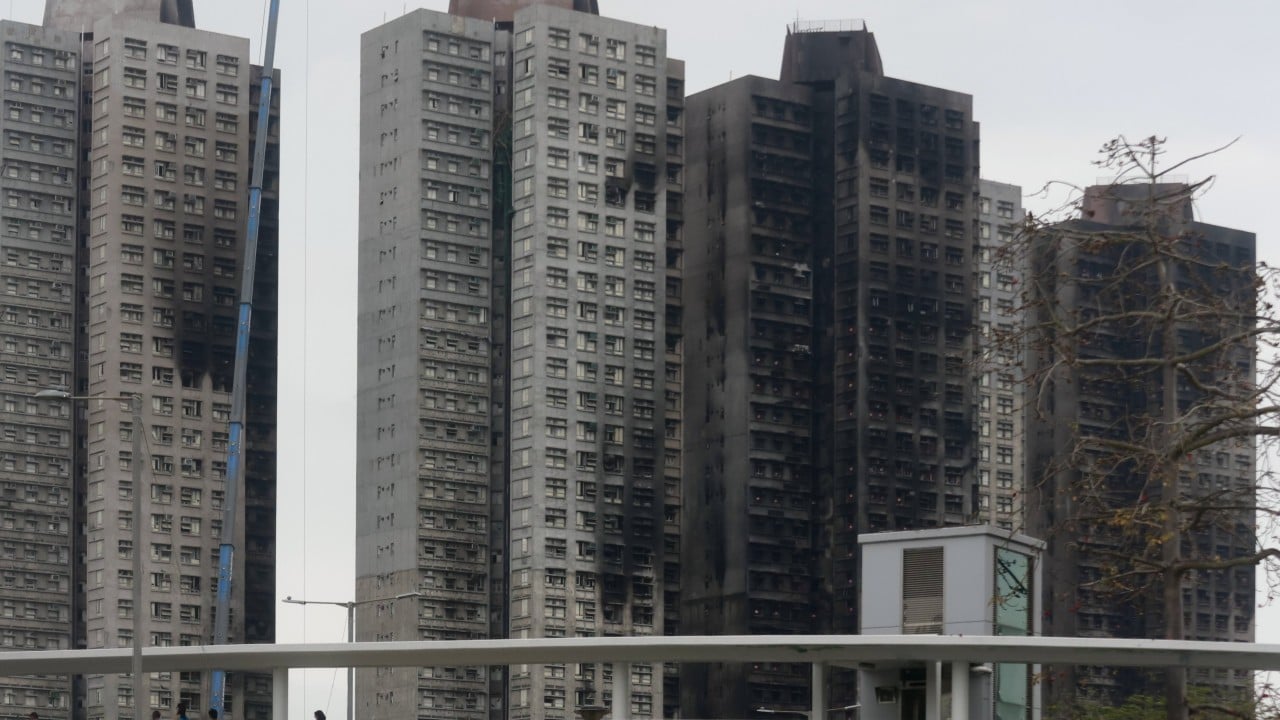
The wait is finally ending for the families of Wang Fuk Court who watched their lives go up in smoke. It’s been a brutal stretch of uncertainty since the fire tore through the residential blocks, leaving hundreds of people wondering if they'd ever see their passports, jewelry, or even a change of clothes again. We now have a firm timeline. Starting in mid-April, authorities will allow residents back into the affected units to retrieve their personal belongings. This isn't a full move-in. Far from it. But for those living out of suitcases in temporary shelters or on friends' couches, it’s the first real step toward some kind of normalcy.
You can't underestimate the psychological toll of being locked out of your own home. When a fire hits a high-rise in Hong Kong, the structural integrity and toxic residue become the primary concerns for the Housing Department and Fire Services. They don't just let you back in the next day. The smoke damage alone in these blocks requires specialized assessment. Mid-April might feel like a lifetime away when you're wearing the same three shirts, but the structural checks are non-negotiable. Safety isn't just a buzzword here; it’s the only thing keeping a bad situation from becoming a second tragedy.
The Mid-April Retrieval Window and What You Need to Know
The logistics of moving hundreds of people back into a fire-damaged building—even for an hour—are a nightmare. The Housing Department hasn't just picked a random date. They've spent weeks stabilizing the site. From mid-April, access will be granted in phases. You won't be able to just show up with a U-Haul and start clearing out furniture.
Expect a strictly controlled environment. Residents will likely be assigned specific time slots to minimize crowding and ensure that the elevators—if they’re even operational—don't get overwhelmed. You'll need your Hong Kong ID and proof of residency. Don't lose these. If your documents were destroyed in the fire, you need to contact the District Office immediately to get temporary certification. Without that paper trail, you’re staying behind the yellow tape.
Priority Items and the Reality of Smoke Damage
When you finally get through that door, focus on the essentials. Most people think about the big stuff, but you should be looking for the small, high-value items that are hard to replace.
- Identity Documents: Passports, birth certificates, and property deeds.
- Medication: Prescription bottles, even if they're empty, to show your doctor for refills.
- Financials: Bank books, checkbooks, and any hidden cash.
- Sentimentals: Photos and heirlooms that can't be bought back.
The reality is that anything fabric is probably ruined. Smoke is invasive. It gets into the fibers of your sofas, your clothes, and even the insulation of your electronics. Unless an item was in a fireproof safe or a tightly sealed plastic bin, it’s going to smell like a campfire for a decade. Professional restoration is expensive and often doesn't work for low-to-mid-range household goods. Honestly, you might be better off filing the insurance claim for the "total loss" of soft goods rather than trying to salvage a soot-stained mattress.
Why the Delay Was Actually Necessary
People are angry. I get it. You see your building standing there, and you don't understand why the police are blocking the entrance. But fire-damaged concrete is a fickle beast. At high temperatures, the chemistry of the building materials changes. The steel reinforcement inside the pillars can lose its tension. If the Housing Department lets you in and a ceiling slab collapses, that’s on them.
Then there’s the air quality. Fire produces a cocktail of nasty chemicals. Carbon monoxide is the one everyone knows, but hydrogen cyanide and various VOCs linger in the soot. Until the "deep clean" of the common areas is finished and the air filtration units have done their job, the building is a health hazard. The mid-April date suggests that the heavy lifting of the safety inspections is finally wrapping up. It’s a sign that the structural engineers have signed off on the "limited access" phase.
Dealing with Insurance and the Housing Department
If you don't have your insurance policy number memorized, now is the time to call your broker. Do it before mid-April. You want to know exactly what your coverage looks like before you step foot back in the unit. Most policies require you to "mitigate loss," which basically means you can't just leave a leaky pipe to ruin more stuff once you're allowed back in.
Take photos. Take hundreds of them. Before you touch a single item in your flat, film a walkthrough. This is your evidence. The Housing Department will provide the basic structural repairs, but the "interior fit-out"—your cabinets, your flooring, your wallpaper—that’s usually on you or your insurer. If you’re a tenant in public housing, the rules are slightly different, but the need for documentation remains the same.
What Happens After the Retrieval
Retrieving your belongings is a milestone, but it isn't the finish line. The blocks at Wang Fuk Court will likely remain uninhabitable for a longer period. "Retrieval" and "Reoccupation" are two very different things in the eyes of the government. Repairs to the electrical systems, the fire shutters, and the plumbing stacks take months, not weeks.
The government has been providing temporary housing, but we all know those units are often far from work and schools. The mid-April window is your chance to grab the things that make living in a temporary space bearable. Think about laptops, chargers, and books for the kids.
Immediate Steps for Affected Residents
Don't wait until the middle of next month to start your prep. You need to be ready the moment your block is called.
- Consolidate Your Paperwork: Get your ID and residency proof in a folder now.
- Contact Your Insurer: Get a claim number and ask if they require an adjuster to be present during the retrieval.
- Pack a "Go Bag" for the Day: Bring heavy-duty trash bags, N95 masks (the soot is no joke), and gloves.
- Coordinate with Neighbors: Often, the District Office communicates through community leaders. Stay in the loop via WhatsApp groups or the temporary shelter notice boards.
The fire at Wang Fuk Court was a disaster, but the recovery doesn't have to be. By the time mid-April rolls around, you should have a clear list of what stays and what goes. Focus on the irreplaceable. The rest is just stuff. Move quickly, stay safe, and keep your documentation tight. If you haven't yet registered with the Social Welfare Department for the emergency grants, do that today. Those funds are designed to bridge the gap while you're waiting to get back into your home.