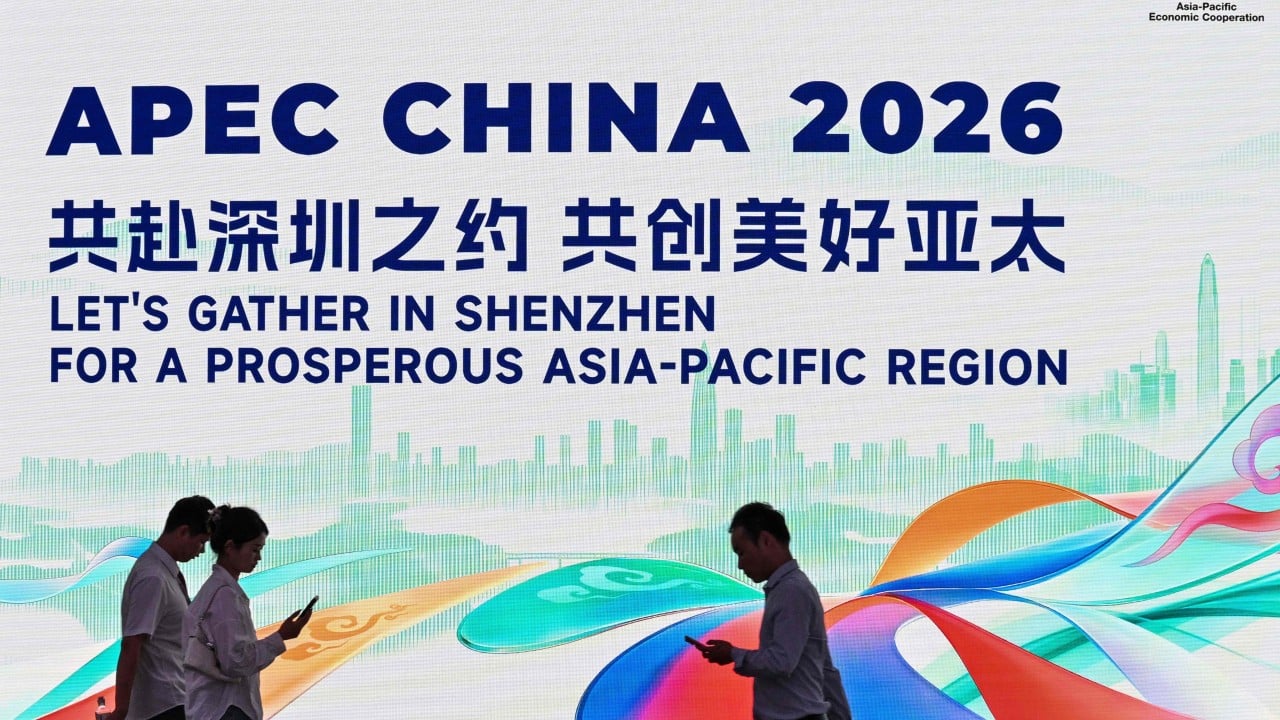
Conventional diplomatic coverage treats the Asia-Pacific Economic Cooperation (APEC) summit as a mere warm-up act for the G20. According to mainstream reporting, when Chinese President Xi Jinping and US President Donald Trump sit down at APEC, the meeting is framed as little more than a preliminary handshake, with "major deliverables" expected to wait until the G20.
That framing misses how bilateral diplomacy actually works—and it misreads the distinct institutional mechanics of both forums.
To understand why the "wait for the G20" narrative falls apart, look at how geopolitical analysts, trade negotiators, and diplomatic historians evaluate the two venues. On one hand, mainstream commentators argue that the G20 carries greater weight because it brings together the world’s 20 largest economies, offering a broader geopolitical stage and higher stakes for global market stabilization. Under this view, APEC is seen as a regional, non-binding talking shop where leaders test the waters before hammering out formal communiqués at the G20.
On the other hand, veteran trade practitioners and institutional analysts point out that the exact opposite dynamic often governs US-China breakthroughs. Because APEC operates on voluntary, non-binding consensus and focuses specifically on Asia-Pacific trade and economic integration, it provides a lower-friction environment where bilateral leaders can strike quiet, substantive understandings without the grandstanding required by a global G20 audience.
The Institutional Reality of APEC vs. The G20
The confusion stems from treating summit size as a proxy for diplomatic output. In practice, expanding the room rarely accelerates bilateral dealmaking.
Consider the structural differences between the two forums:
- The G20 Mandate: Created to coordinate global macroeconomic policy among major developed and emerging economies, the G20 forces Washington and Beijing to negotiate in front of European, Middle Eastern, and Global South powers. Every bilateral concession is immediately scrutinized for its multilateral precedent.
- The APEC Mechanism: Founded in 1989 to promote free trade and economic cooperation across the Pacific Rim, APEC describes its member states as "economies" rather than nations—a deliberate structural choice that allows Taiwan and Hong Kong to participate alongside Beijing and Washington. Its working groups deal directly with supply chain resilience, customs procedures, and digital trade standards.
When pundits assume major deliverables must wait for the G20, they conflate formal, publicized communiqués with actual policy shifts. In high-stakes US-China negotiations, the most consequential agreements—whether pausing tariff escalations, establishing military-to-military communication channels, or setting technical working groups on fentanyl precursors and artificial intelligence—are almost always finalized in private bilateral pull-asides before a broader summit ever convenes.
Why "Deliverables" Are Misunderstood
The obsession with "deliverables" reflects a media-driven scorecard rather than how statecraft functions. Reporters look for signed memoranda of understanding, joint press conferences, and headline tariff reductions. When those fail to materialize at APEC, the meeting is labeled a placeholder.
Trade experts who have sat inside these negotiations note that real progress between Washington and Beijing rarely looks like a grand treaty. Instead, it looks like risk management:
- De-escalation Floors: Establishing clear red lines so domestic political rhetoric does not trigger unintended economic or military shocks.
- Technical Channels: Reopening dialogue between treasury officials, commerce departments, and central bankers to manage sovereign debt, export controls, and currency stability.
- Supply Chain Signaling: Giving multinational corporations—from semiconductor manufacturers to agricultural exporters—enough clarity to plan capital expenditures without facing sudden, unannounced regulatory retaliation.
Waiting for a larger venue like the G20 to announce these shifts often backfires. The more leaders in the room, the harder it becomes to craft language that satisfies domestic audiences in both Washington and Beijing. At the G20, disagreements over unrelated global conflicts—such as European security or Middle Eastern crises—frequently hijack the joint declaration, absorbing diplomatic bandwidth that would otherwise go toward bilateral economic stabilization.
The Domestic Politics Trap
Both Xi and Trump operate under intense domestic constraints that shape where and how they can make concessions.
For the Trump administration, trade policy is closely tied to domestic manufacturing, tariff leverage, and bilateral deficit reduction. Making visible concessions on a crowded global stage invites immediate criticism from domestic hawks who view multilateral forums with skepticism. A focused bilateral meeting on the sidelines of a Pacific trade forum allows the administration to frame outcomes strictly in terms of direct, reciprocal American interests.
For Xi Jinping, managing economic headwinds at home—ranging from property sector adjustments to local government debt and export reliance—requires external stability without appearing to yield to foreign pressure. Beijing consistently favors bilateral settings where protocol is tightly controlled and parity between the two superpowers is visually reinforced.
Observers who predict that major breakthroughs will simply be deferred to the G20 overlook how domestic political incentives discourage grand multilateral bargains. When leaders delay decisions from one summit to the next, it is rarely because they are saving the best announcements for a bigger stage; it is usually because the underlying structural disagreements—over industrial subsidies, technology transfers, and market access—remain unresolved.
What Businesses and Markets Should Actually Watch
For executives, investors, and policy analysts trying to read the signals coming out of an APEC meeting, looking for a blockbuster trade deal is the wrong metric. Even a contrarian focus on quiet bilateral pragmatism has clear limits: no single summit, whether APEC or the G20, will reverse the long-term structural competition between the United States and China. Supply chain diversification, export controls on advanced technology, and strategic rivalry are entrenched features of the global economy.
Instead of waiting for a G20 miracle, decision-makers should track three concrete indicators during APEC:
- The Tone of Readouts: Watch whether official summaries from both sides emphasize "managing competition responsibly" versus rehearsing familiar grievances. Subtle shifts in diplomatic phrasing often precede regulatory pauses.
- Cabinet-Level Follow-Through: A successful bilateral meeting produces immediate, scheduled follow-up trips by treasury, commerce, and foreign ministry officials within 60 to 90 days. Without follow-up calendars, summit handshakes evaporate.
- Targeted Exemptions: Look for quiet adjustments in tariff exclusions, agricultural purchasing commitments, or visa and flight quotas—practical mechanisms that lower friction without requiring either leader to claim ideological victory.
Treating APEC as an inconsequential prelude to the G20 misunderstands the machinery of modern diplomacy. If Washington and Beijing cannot find common ground in a focused Pacific economic forum, moving the conversation to a larger, noisier global stage will not solve the problem.