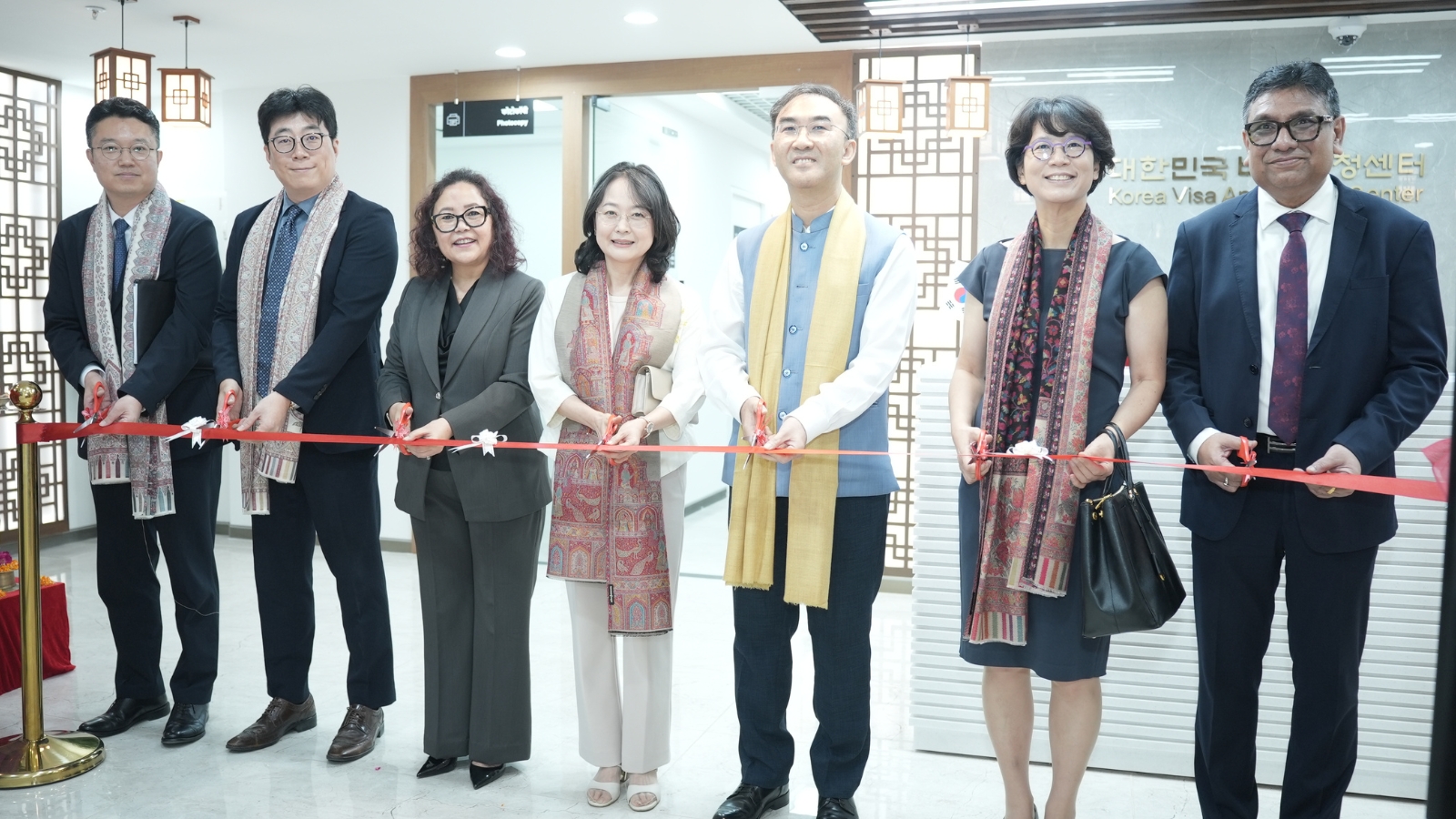
Every travel blog and corporate press release is currently hyperventilating over a simple logistical update: the expansion of South Korea visa processing infrastructure across South Asia through six designated facilities managed by VFS Global, including upgraded flagship hubs in New Delhi alongside Bengaluru, Chennai, Kolkata, Dhaka, and Colombo.
The lazy consensus claims this network upgrade represents a massive victory for regional globetrotters. Commentators suggest that dropping paperwork off at a shinier, more accessible venue near a metro station or a suburban mall solves the friction of international travel. You might also find this related story interesting: Why Tourism Safety Bureaucrats Are Killing Older Travelers.
They are missing the point entirely.
I have watched corporate travelers and holidaymakers burn thousands of dollars on non-refundable hotel bookings because they treated a physical intake desk like an approval guarantee. Physical proximity to a collection counter has never translated to a higher visa acceptance rate. A marble floor and a digital token machine do not change the underlying bureaucratic realities of consular vetting. As extensively documented in recent articles by The Points Guy, the implications are significant.
Let us define terms precisely. VFS Global is an administrative conduit, not an embassy. Their personnel check boxes, staple documents, and capture biometric scans. They possess zero authority over whether a consular officer stamps your passport or rejects your application. Celebrating an expanded intake network is equivalent to celebrating the opening of a faster mailbox. It speeds up the collection of paperwork, but it does nothing to fix the systemic document flaws that cause the vast majority of rejections.
The real bottleneck in South Asian outbound mobility has never been real estate availability. It is financial opacity and mismatched documentation standards. Applicants routinely submit poorly structured bank statements, vague employment letters, and haphazard travel itineraries, expecting frontline intake staff to rescue them. When the embassy subsequently issues a refusal, applicants blame the processing partner, completely misunderstanding where the decision was actually made.
Consider the structural friction of modern regional mobility. Demand for South Korean tourism, driven by cultural exports and tech-business exchanges, has surged exponentially. Consulates face a crushing volume of submissions. To manage this influx, embassies tighten internal risk thresholds. Adding more intake centers distributes the foot traffic, but it concentrates the administrative strain on the back-end evaluators.
If you want an optimized travel workflow, stop focusing on the geography of the drop-off point. Instead, treat your financial documentation with algorithmic precision. Ensure your liquid assets, tax filings, and employment verification strings align with what a skeptical foreign bureaucrat expects to see on a single-page audit.
The downside of this contrarian approach is stark: it requires rigorous personal preparation. You cannot outsource financial credibility to a premium lounge service or a VIP appointment slot. No amount of interior design at a metropolitan intake hub will compensate for a weak ledger.
Stop asking which city has the newest processing facility. Ask whether your paper trail can survive a hostile audit from an officer who has ten minutes to decide your fate.
South Korea Visa Services Now Available at Six VFS Global Centres
This video provides an overview of the recent regional expansion of South Korea visa application centers across South Asia.