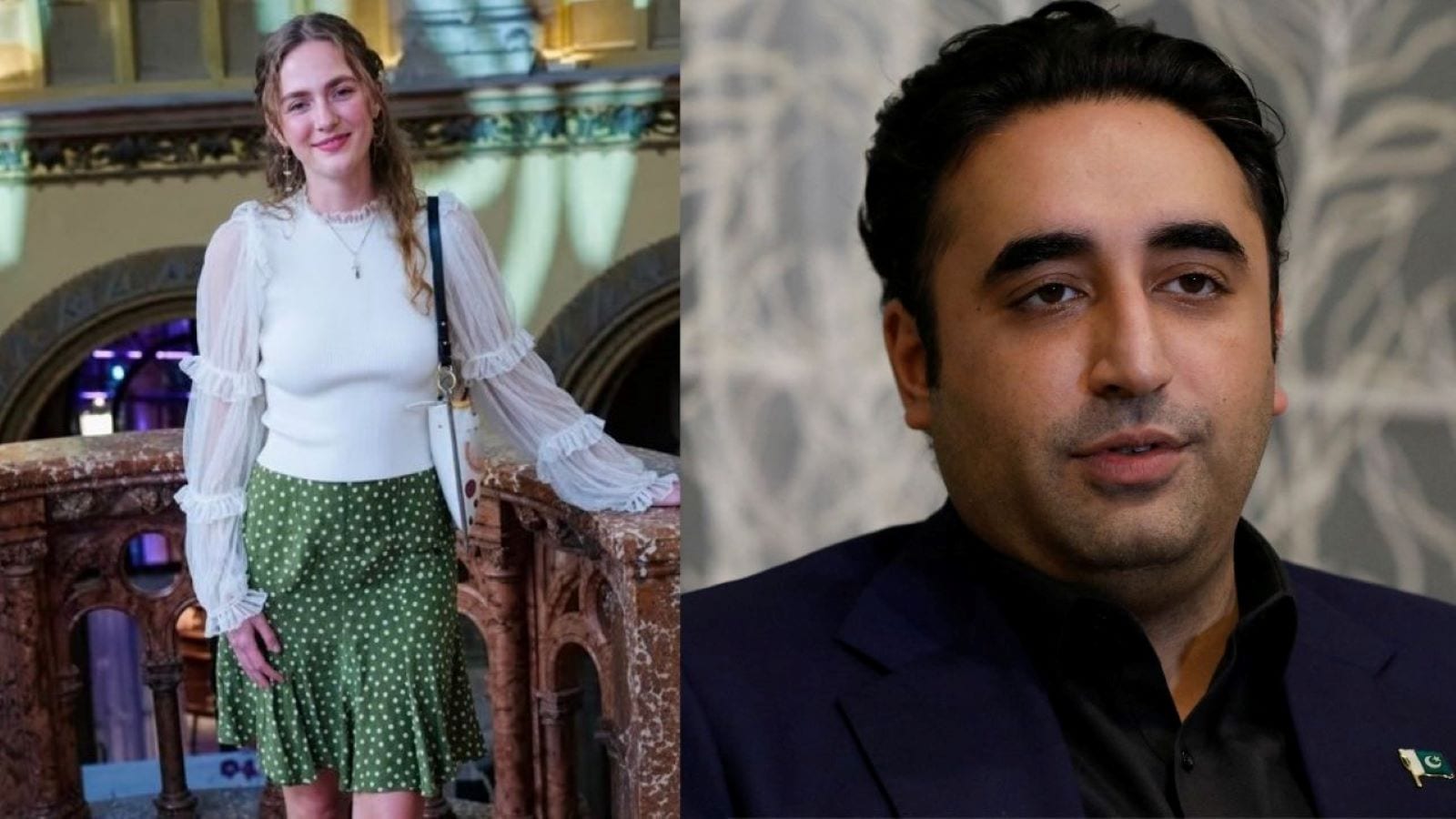
Digital information ecosystems exhibit a structural vulnerability to unverified narratives regarding high-profile political figures, transforming isolated personal speculation into viral geopolitical mythology within hours. The recent circulation of marriage rumors involving Pakistan Peoples Party Chairman Bilawal Bhutto-Zardari and European nobility provides a clinical case study in digital virality. This phenomenon requires a breakdown of how unverified claims propagate, mutate, and eventually collide with institutional refutations.
The propagation sequence began when a routine, unannounced private overseas trip by President Asif Ali Zardari triggered speculative aggregation across digital platforms. In the absence of official scheduling disclosures from the presidency, information vacuums are systematically filled by organic speculation or fabricated reporting. Local digital aggregators and unvetted online publications seized upon the ambiguity, mapping the presidential itinerary to a European principality and asserting an impending matrimonial alliance.
Content mutation represents the second phase of this informational cascade. As the narrative crossed platforms, the identity of the prospective bride underwent rapid iterations. Initial iterations pointed vaguely toward a resident of Liechtenstein, which subsequently mutated into specific references to European royal lineage, and eventually converged upon specific individuals such as former Austrian archduchess Gloria von Habsburg. This evolution follows a predictable disinformation lifecycle: abstract claims acquire hyper-specific details over time to maximize engagement metrics, despite possessing zero empirical validation.
Institutional friction entered the equation when Karachi Mayor and senior party representative Murtaza Wahab issued a categorical denial via digital channels, explicitly labeling the reports as incorrect and unfounded. In political communications, official pushback from designated spokespersons serves as a hard boundary against runaway narratives. However, the asymmetry between viral fabrication and institutional correction ensures that retractions rarely achieve the initial distribution velocity of the original rumor.
Evaluating the mechanics of such political gossip requires separating verifiable inputs from manufactured outputs. The factual baseline consists solely of a private presidential journey to Europe and historical commentary from the political leader regarding his future marriage criteria, which he previously joked would require approval from his sisters. The manufactured output includes specific geographic venues, royal lineages, and engagement timelines that lack any corroboration from primary sources or family declarations.
Political strategists managing high-exposure public figures must anticipate these information loops by implementing proactive communication protocols. When private travel schedules coincide with aggressive social media speculation, informational ambiguity acts as an accelerator for unverified stories. Closing the feedback loop early with precise itinerary disclosures minimizes the surface area for speculative fabrication. The persistence of unverified biographical rumors highlights the necessity of treating unsourced digital claims as low-fidelity noise until primary sources confirm their validity.