Imagine spending years building a life in the United States, only to be forced onto a flight back to the country you fled. Now imagine landing, getting bussed to a state-run holding facility, and watching the walls pancake on top of you just hours later.
That isn't a plot for a dystopian movie. It's exactly what happened to 146 Venezuelan nationals. On June 24, 2026, an Immigration and Customs Enforcement (ICE) flight from Miami touched down in Caracas. The passengers, including 19 women and seven children, were caught up in the administration's aggressive push for mass deportations. Venezuelan authorities moved them to the Hotel Santuario La Llanada in the coastal city of La Guaira for medical checks and processing.
They were told they could go home the next morning. They never got the chance.
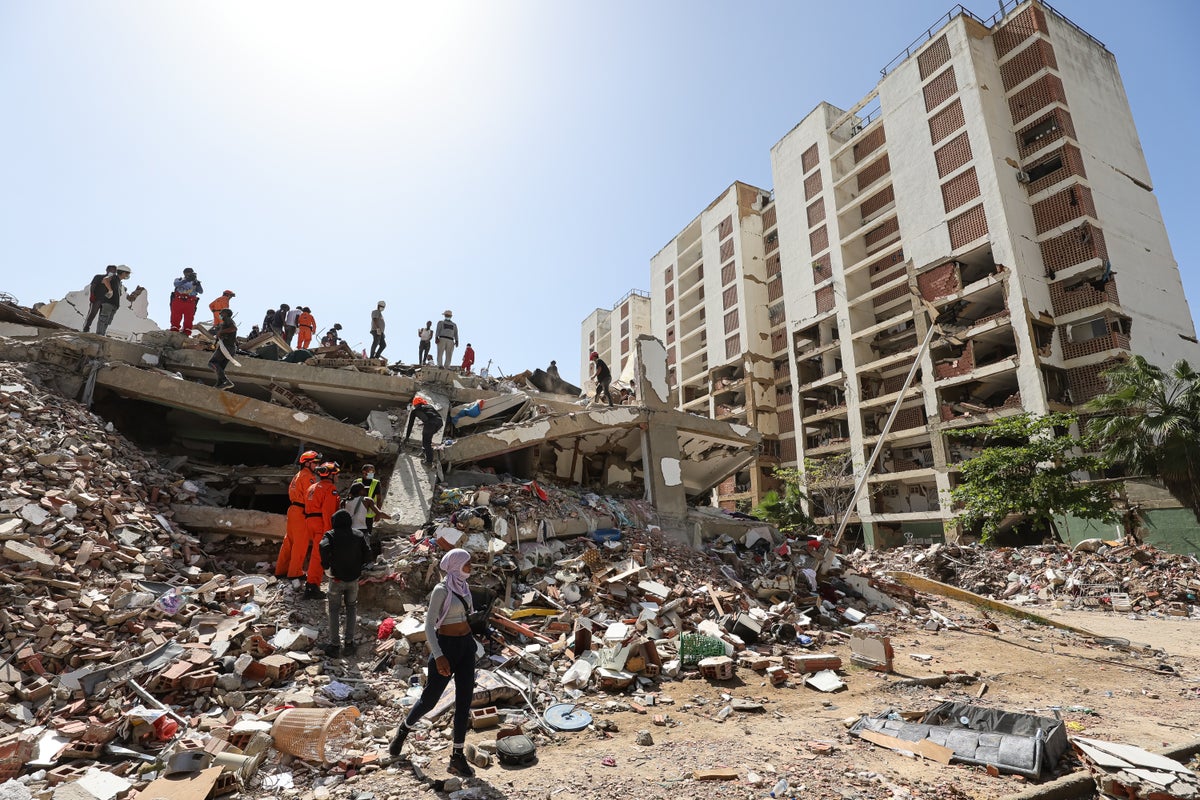
By Wednesday evening, two massive earthquakes, registering 7.1 and 7.5 magnitude, ripped through northern Venezuela within seconds of each other. The hotel holding the deportees completely collapsed, leaving families across two continents searching the ruins for signs of life.
Trapped in the ruins of Hotel Santuario
Lisbeth Portillo, a 58-year-old grandmother who lived in South Florida for over four years, was in a second-floor room with 16 other women when the ground buckled. She had just stepped onto the balcony to look at the sea, noticing the sky looked strangely black and heavy. Moments after lying down on her bed, the building began to rattle violently.
"I started hearing 'papa, papa papapa,' and I saw the women next to me start to fall," Portillo later recalled. They were all screaming for help. Before anyone could process the first shock, the second earthquake hit. The building pancaked.
Portillo ended up pinned under a heavy structural beam. In a stroke of luck, the secondary tremors shifted the debris just enough for her to wiggle free. Bruised, bloodied, and terrified, she escaped into the dark streets of La Guaira alongside 20 other survivors.
Others weren't as lucky. Jenny Rodriguez, a 24-year-old on the same flight, found herself completely buried. She managed to free a single hand from the concrete, grabbing the trousers of a fellow deportee who was stumbling past. He pulled her out.
The scene outside was pure chaos. People ran through the streets barefoot, some entirely naked, covered in gray dust. Portillo walked five kilometers in a daze, weeping because all local communication networks were dead. She eventually reached a National Guard post to call her husband, Cesar, who was still in the United States. He didn't believe she was alive until their children drove out to verify and pick her up the following evening.
The human cost of political timing
This disaster highlights a deeply uncomfortable intersection of natural catastrophe and immigration policy. Deportation flights to Venezuela had only recently picked up steam again, following a long pause. Those onboard were people trying to find solid ground; instead, they were sent back into a humanitarian crisis that was instantly compounded by a natural disaster.
Human Rights First, which tracks these operations via its ICE Flight Monitor initiative, confirmed the logistics of the flight. Yet, getting clear answers about who survived has been an exercise in bureaucratic frustration. While organizations like the Associated Press and local networks have piece-mealed survivor stories together, official counts are dangerously absent.
The family of Angelo Mejía Meléndez wasn't as fortunate as Portillo's. Angelo had been making a living working at a pier in Miami before his deportation. He died in the hotel collapse just hours after touching down.
Another deportee, 32-year-old Víctor Guanipa Toyo, remains entirely unaccounted for. His brother, Alonso, has been scouring database logs, hospitals, and makeshift morgues. The agency handling the deportees claimed families were being notified via WhatsApp, but family members on the ground say they are getting nothing but radio silence.
A disaster zone with shrinking hope
The scale of the devastation in La Guaira is staggering. The twin quakes have claimed over 1,700 lives, with thousands more injured or missing. International rescue teams, including hundreds of American first responders and Spanish canine units, joined local efforts to tunnel through unstable structures.
Local volunteers like Moises Faramaya, a 26-year-old former miner nicknamed "the mole," have been doing the heavy lifting with nothing but shovels and pickaxes. Faramaya alone pulled 16 people out alive from the surrounding Los Corales neighborhood.
But the reality on the ground is grim. The critical 72-hour survival window slammed shut days ago, and heavy seasonal rains have slowed operations down to a crawl. For families of the missing deportees, the anger is palpable. They feel abandoned by both the US system that sent their loved ones back and the local government struggling to manage the wreckage.
If you have family members who were on recent repatriation flights to Caracas or were staying in the La Guaira coastal corridor, do not wait for official agencies to contact you. Use grass-roots tracing networks like the Red Cross Restoring Family Links portal or local digital registries set up by volunteer rescue groups on the ground. Check hospital admission lists in Caracas rather than relying solely on La Guaira hubs, as many severe trauma patients were immediately evacuated inland.
Miracle Rescue from Venezuela Quake Rubble
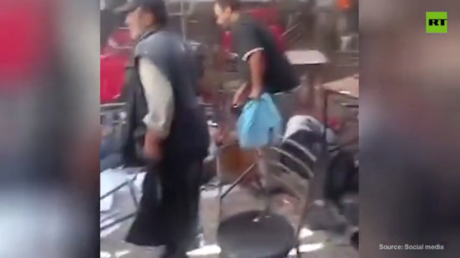
This video shows the immense challenges and emotional reality on the ground as emergency crews work against the clock to pull survivors from the collapsed infrastructure in La Guaira.