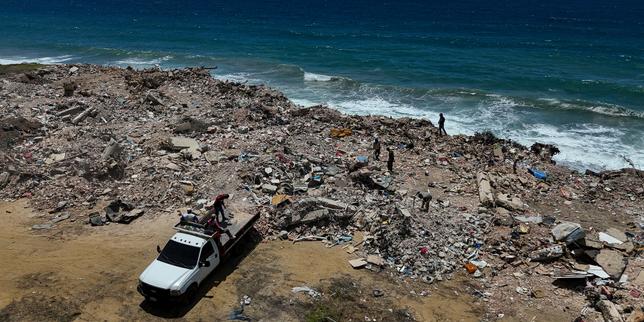
Clearing millions of tons of concrete after a double earthquake isn't just about heavy machinery. It's an operational nightmare that tests a nation's basic infrastructure.
When two massive earthquakes hit northern Venezuela on June 24, 2026, the destruction was instant. The World Bank estimates damages at roughly $19.6 billion, with over half that figure tied directly to destroyed residential neighborhoods. The death toll has surpassed 5,000, and thousands remain unaccounted for. But as search-and-rescue teams finish their work, local authorities face another massive wall: how do you clear, transport, and process decades of collapsed structural concrete in a country with a crippled transport grid?
I've looked closely at post-disaster cleanup operations across various regional crises, and the situation in Venezuela, particularly around La Guaira and Caracas, presents a rare convergence of severe geographical and structural bottlenecks.
The Real Numbers Behind the Concrete Collapse
Most coverage focuses on emergency aid drops and temporary shelters, which are obviously critical. But the physical residue of the disaster—the rubble—is what halts actual recovery.
When reinforced concrete structures collapse, they don't just turn into dirt. They form tightly packed slabs interwoven with rebar, twisted pipes, and toxic hazardous waste.
- Volume overload: Thousands of residential units collapsed in Caraballeda and Catia La Mar alone.
- Equipment shortages: Heavy excavators, hydraulic crushers, and front loaders require massive amounts of diesel and constant maintenance, two things in short supply locally.
- Narrow coastal topography: Northern Venezuelan urban zones sit wedged between steep mountain slopes and the Caribbean Sea, offering almost zero natural dump sites or clear bypass roads.
If you don't clear the main arteries first, humanitarian convoys get stuck. If you dump debris along riverbeds or coastlines to save time, you set off environmental disasters when rain hits. It's a lose-lose dynamic unless the strategy is meticulously organized.
Fuel and Road Grid Bottlenecks
You can bring in fifty high-capacity excavators, but they're useless if you don't have a steady stream of diesel to power them.
The highway connecting the port of La Guaira to Caracas has historically been a critical transport lifeline. With mountain bridges stressed by seismic shocks, weight limits on heavy vehicles are strictly enforced. Hauling 20-ton loads of crushed concrete up steep inclines burns fuel at an alarming rate and threatens to cause secondary road collapses.
International organizations like the UN Logistics Cluster have set up short-term storage facilities near major ports, but long-distance transport remains a sticking point. The U.S. and other donor nations have assisted with airfield repairs at Maiquetía and port openings, but airlifting heavy debris-clearing equipment is far more complex than dropping food rations.
Why Dumping Debris Isn't a Simple Option
People often ask why crews don't just push the wreckage into designated low-lying areas or the ocean.
In reality, unmanaged concrete waste creates massive environmental risks. Modern urban rubble contains asbestos, pulverized silica, refrigerants, and industrial chemicals. Dumping untreated debris into coastal waters ruins marine ecosystems and destroys local fishing infrastructure.
Proper debris processing requires a clear three-step operational pipeline:
- On-site sorting: Crews must separate rebar, steel, and toxic materials from clean masonry.
- Mobile crushing: Portable crushers convert concrete slabs into aggregate right at the site.
- Repurposing: Recycled aggregate should be reused immediately to reinforce washed-out roadbeds and fill unstable ground.
Skipping these steps means creating toxic landfills right next to temporary displacement camps.
Actionable Steps for On-the-Ground Debris Management
To speed up recovery without compounding environmental or health hazards, agencies on the ground should focus on three practical shifts right now.
First, prioritize mobile processing units directly at collapse sites in La Guaira rather than trucking raw, uncrushed slabs up the mountains. Crushing concrete locally reduces truck volume needs by up to 40%.
Second, establish clear local labor initiatives that pay residents to safely sort salvageable metals and non-hazardous materials. This provides immediate income to displaced families while speeding up the sorting phase before heavy machinery moves in.
Third, map out dedicated temporary staging areas using satellite imagery to prevent informal dumping along vulnerable coastlines.
Without a structured, industrial-scale plan for handling millions of tons of waste, Venezuela's recovery phase will stall long after the emergency aid supplies run out.


