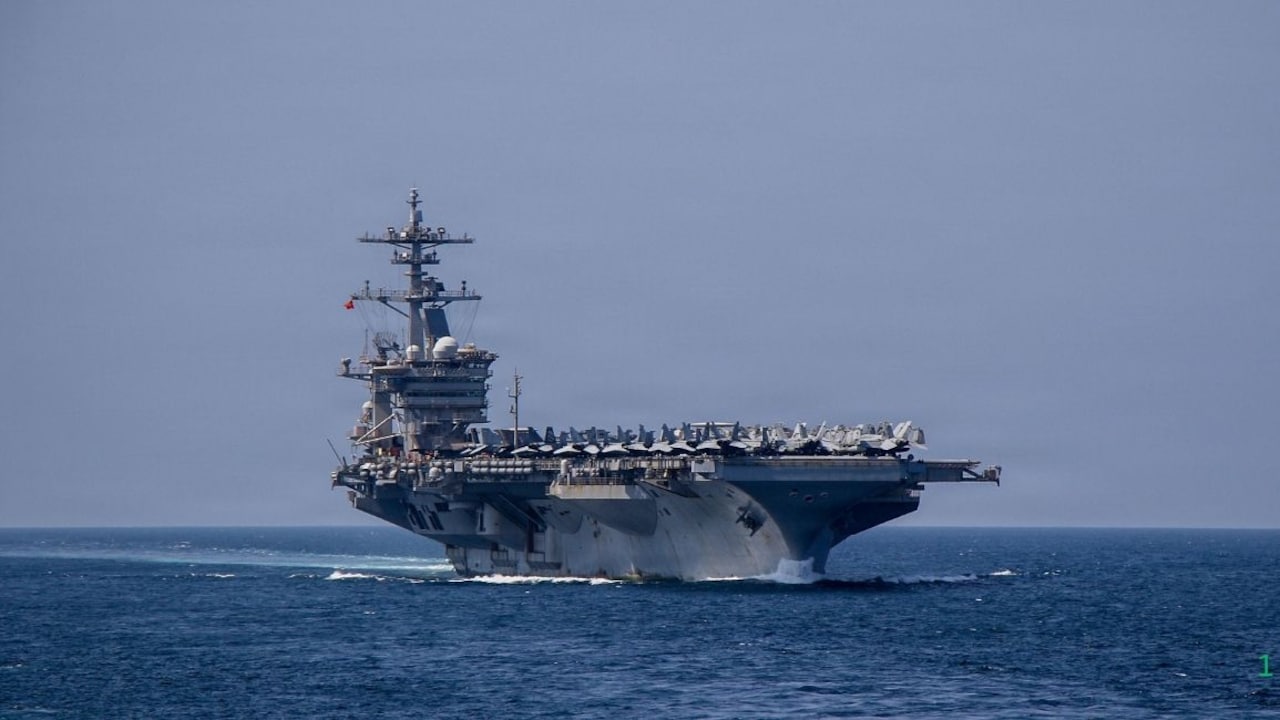
When a nuclear-powered aircraft carrier spends over 250 consecutive days at sea without a single port visit, something is bound to snap. That breaking point has arrived for the USS Abraham Lincoln, forcing the United States Navy to dispatch the USS George Washington to the Middle East to relieve the exhausted crew.
The crisis aboard the Lincoln isn't just an administrative hiccup. It exposes the brutal human and mechanical costs of sustaining high-tempo combat operations during the ongoing war with Iran. For months, the ship's crew of roughly 5,000 sailors and Marines has operated under immense pressure, enduring supply chain disruptions, grueling patrol schedules, and an alarming mental health toll that military leadership can no longer sweep under the rug.
The Reality of a 250-Day Lockdown at Sea
Most people don't understand what happens to a warship when it is cut off from normal rotation cycles. Standard naval deployments rely on regular port calls roughly every thirty to forty-five days. These stops provide critical breathing room: fresh food, mail delivery, equipment maintenance, and a chance for sailors to touch dry land.
The Lincoln left San Diego on November 21, initially bound for routine operations in the Pacific before being redirected to the Middle East as tensions with Iran boiled over. What followed was an unprecedented stretch of over 200 to 250 days without a port call.
Sailors, families, and lawmakers like Senator Richard Blumenthal have painted a grim picture of life onboard. Reports surfaced detailing broken plumbing, moldy showers, severely restricted food options, and mail delivery delays that left care packages lost in transit for months.
The Human Toll and Leadership Pushback
The strain of the deployment manifested in ways that shattered morale. Investigative reports from military publications revealed multiple instances of sailors attempting to jump overboard, triggering intense scrutiny from Congress and outcry from military families. During a tense meeting in San Diego, family members confronted acting Navy Secretary Hung Cao, openly stating that leadership had broken trust with the households supporting those in uniform.
Defense officials have pushed back against the severity of these reports. Defense Secretary Pete Hegseth dismissed descriptions of the ship's conditions as entirely misrepresented. Navy spokespeople insisted that clean water, functioning air conditioning, and medical resources remain accessible, while noting that no official spike in completed suicides has been verified.
Even so, the friction between official narratives and the lived reality of families on the home front highlights a widening chasm. When service members are reduced to eating minimal rations because regional supply hubs are strained by active combat, morale collapses.
How the USS George Washington Steps In
To stem the crisis, the Navy initiated a carrier swap. The USS George Washington, operating in the Western Pacific and fresh off a stop in Vietnam, moved west through the Strait of Malacca and the Indian Ocean toward the Middle East.
While Pentagon officials frame the rotation as a long-planned transition, the timing serves an urgent operational and humanitarian purpose. The Lincoln needs a complete stand-down, extensive maintenance, and mental health interventions for a crew pushed past reasonable limits. Meanwhile, the United States cannot afford a vacuum in its naval deterrence posture while enforcing blockades and supporting combat missions in regional chokepoints like the Strait of Hormuz.
This incident forces a hard look at modern force management. The military is running a deficit in hull availability, forcing fewer ships to cover wider zones for longer periods. When strategic demands outpace fleet capacity, the price is paid by the sailors standing watch.
Check your local defense policy updates, track the ongoing carrier transition in the Indian Ocean, and support military family advocacy groups pushing for enforceable limits on continuous deployment lengths.