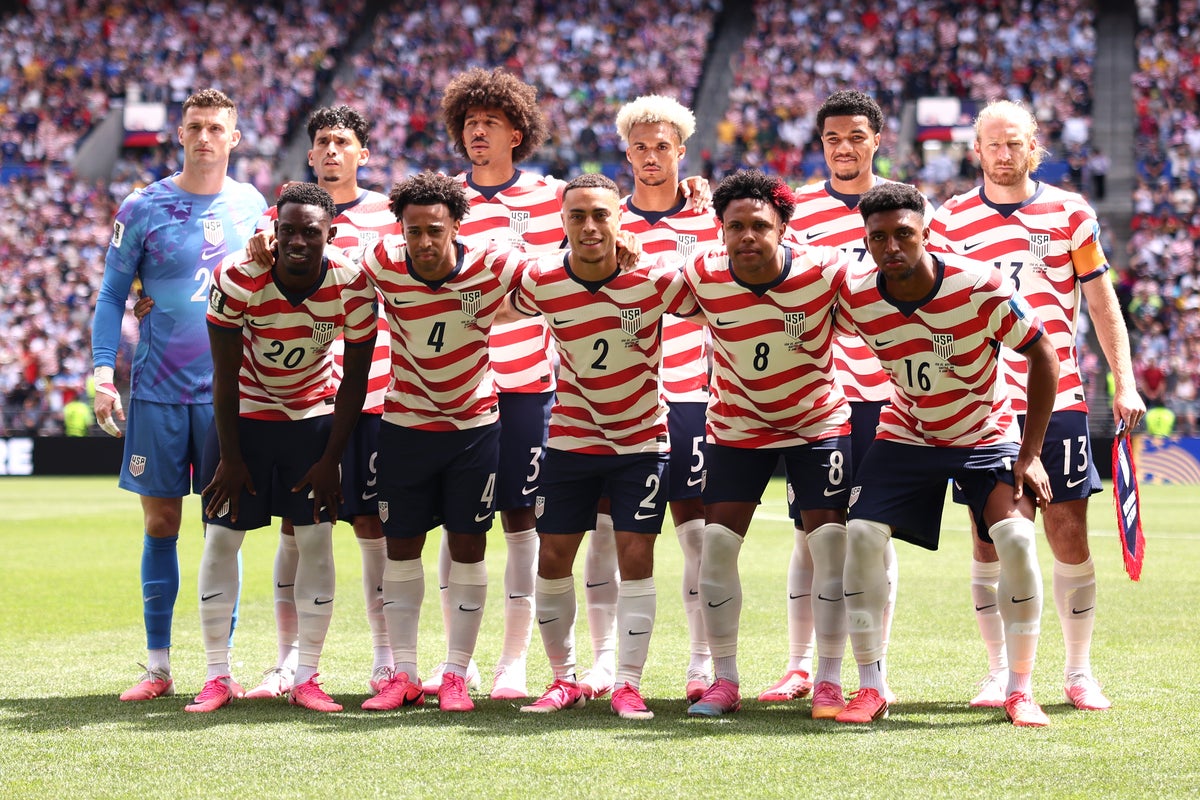
Stop looking at the 2-0 scoreline like it was just another routine summer victory. What happened at Seattle Stadium on Friday afternoon wasn't typical. The US Men's National Team didn't just crawl across the finish line to secure a spot in the Round of 32. They dismantled a rugged, physical Australian team without their undisputed talisman, Christian Pulisic.
Honestly, the narrative around American soccer for the last decade has been a relentless loop of "what-ifs" and anxiety. But right now, Mauricio Pochettino has this group playing with a scary level of tactical maturity. By putting away the Socceroos with goals in the 11th and 43rd minutes, the USMNT grabbed six points from their first two group matches. It's the most points they've ever logged in a modern World Cup group stage, and they did it with a game to spare. Don't forget to check out our earlier article on this related article.
If you came here looking for a simple match report, you're missing the bigger picture. This match proved the Americans are no longer a one-man show dependent on Pulisic's magic.
The Pulisic Absence and How the Hierarchy Shifted
When word leaked before kickoff that Pulisic was glued to the bench with a lingering calf injury, panic hit the fan base. He had been electric in the 4-1 opener against Paraguay. Taking him out of the equation felt like stripping the engine out of a sports car. To read more about the history of this, CBS Sports provides an in-depth summary.
Instead of collapsing, the collective stepped up. Ricardo Pepi got the start up top, shifting the gravity of the attack. Folarin Balogun drifted out wide and into half-spaces, becoming a nightmare for the Australian backline. Balogun's post-match comments summed it up perfectly. He noted that while everyone wants to score, forcing errors that give the team momentum matters just as much.
The depth didn't just survive; it dictated the entire tempo of the opening 45 minutes.
Forcing Errors Is a Feature, Not a Flaw
Let's address the elephant in the stadium. Yes, the opening goal in the 11th minute was a Cameron Burgess own goal. And yes, this makes the USMNT the first team in the century-long history of the World Cup to benefit from own goals in back-to-back games. Critics will call it pure luck. They're dead wrong.
Luck is a byproduct of relentless pressure. Balogun didn't just get a fortunate bounce; he completely cooked his defender on the left flank, drove hard toward the box, and whipped an aggressive, low-driven ball into the six-yard area. Burgess had to make a split-second decision while running at full speed toward his own net. When you force defenders into those positions, bad things happen to them. The USMNT didn't get lucky; they created the chaos that broke the Australian low block.
Alex Freeman is Legitimate
If you haven't been paying attention to Alex Freeman over the last year, it's time to wake up. The 21-year-old fullback—son of Green Bay Packers legend Antonio Freeman—spent the last two years scrapping just to get a look on the senior roster. He shined at Orlando City, caught Pochettino's eye, earned a winter move to Villarreal, and now he looks totally unphased by international pressure.
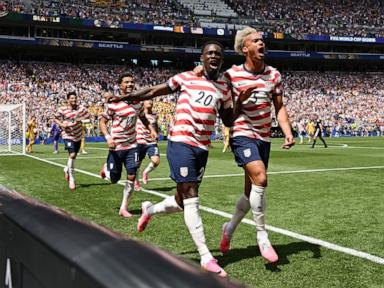
Just before halftime, Sergiño Dest cut inside and unleashed a heavy drive that deflected high into the Seattle air. While Australia goalkeeper Patrick Beach was completely out of position after diving early, Freeman read the flight, timed his run perfectly, and hammered home a close-range header.
A lengthy VAR review threatened to wipe it out for offside, but the goal stood. It was Freeman's first career World Cup goal, and it essentially broke Australia's game plan before the hydration break.
+------------------+-------------------+
| Stat Category    | USMNT Performance |
+------------------+-------------------+
| Goals Scored     | 2                 |
| Clean Sheet      | Yes (1st in 11)   |
| Group Points     | 6 (Qualified)     |
+------------------+-------------------+
The Defensive Grunt Work in the Second Half
The second half wasn't pretty, but it was exactly what this team needed to show. Down two goals, Australia threw the kitchen sink at the American defense. They brought on Nestory Irankunda and Cristian Volpato, speeding up the tempo and turning the match into a physical, foul-heavy grind.
Tyler Adams was sliding into tackles to clear balls out of the box while simultaneously drawing fouls. Harry Souttar and Balogun practically had each other in headlocks by the 89th minute. Tempers flared, yellow cards flew, and the referee even seemed to pull a muscle dealing with the chaos.
But look at the backline. Tim Ream and Chris Richards absorbed the aerial assault. Antonee Robinson and Dest worked tirelessly before Joe Scally and Auston Trusty came on to close the shop. Pochettino even pulled striker Ricardo Pepi for Sebastian Berhalter in the 74th minute, turning the midfield into a lockdown zone.
The result? The first American shutout in 11 matches. That defensive resilience is what wins knockout games.
What Happens in California
The USMNT travels to SoFi Stadium in Inglewood, California, to face Türkiye on June 25. Because they've already secured a spot in the Round of 32, the pressure is entirely off.
Your next move as a fan or analyst is to watch how Pochettino handles the roster rotation. Expect a heavy dose of the B-team and tactical experimentation. Yellow card management will be massive; players like Richards and Balogun who picked up bookings will likely sit to prevent suspension. Pulisic gets an extra week to heal his calf. The Americans are playing chess while the rest of Group D is playing checkers.