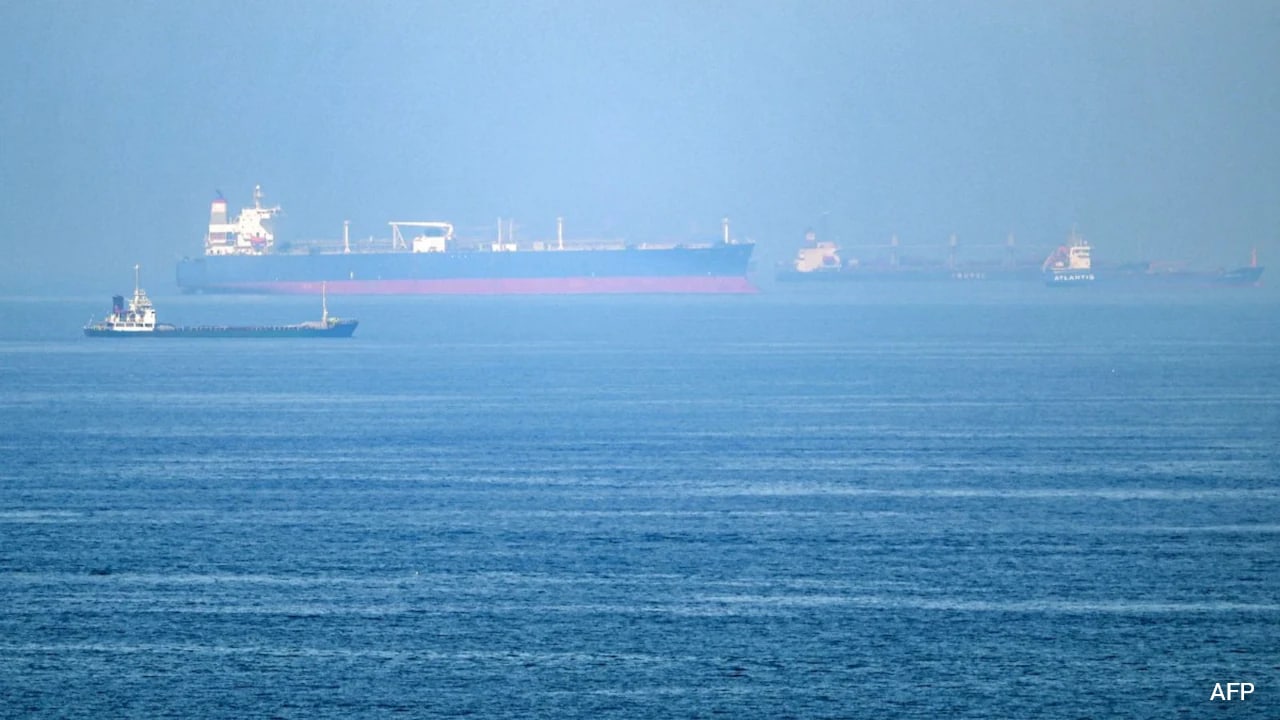
When a military superpower decides to enforce a total maritime blockade, warning shots rarely stay warnings for long.
The US military just proved that reality in the Gulf of Oman. An American Navy MH-60 helicopter fired Hellfire missiles straight into the engine room of the M/V Vela Nova, a Panama-flagged container ship. Why? The civilian crew allegedly ignored repeated warnings and tried to run the American blockade on Iranian ports. For a different perspective, see: this related article.
If you think this is just standard posturing, look closer at the numbers. United States Central Command reports that naval forces have already redirected 55 commercial vessels, boarded two, and disabled three non-compliant ships. With more than 15 warships—including two aircraft carriers and an amphibious assault ship—stationed across the Arabian Sea, Washington is playing hardball.
Inside the Gulf of Oman Strike
The operation unfolded before dawn. The Vela Nova was moving westbound through the Gulf of Oman, roughly 71 nautical miles from the coast of Pakistan, when things turned violent. Maritime risk management firm Vanguard noted that the vessel took a direct missile hit, sparking a fire that the crew eventually put out. Similar analysis on this matter has been shared by Associated Press.
All 17 crew members survived. But the ship was completely neutralized. Reports indicate the crippled vessel later attempted to transfer its crew to another civilian ship, highlighting the desperate tactics used by operators trying to bypass sweeping economic sanctions.
CENTCOM didn't mince words about the objective. The blockade aims to squeeze Tehran's economic lifelines. Iran's leadership has routinely pushed back, declaring that vital regional choke points like the Strait of Hormuz will face constant friction until demands are met. Yet the presence of multiple carrier strike groups means commercial operators face an impossible choice: obey the blockade or risk kinetic strikes.
The Growing Risk for Flag-of-Convenience Shipping
Using a Panama flag used to be a quiet way to navigate contentious waters. No longer.
Global shipping registers are under heavy scrutiny. When cargo vessels try to slip past enforcement zones, maritime intelligence networks track every degree of heading change. Private security firms like Vanguard pick up distress signals and missile impacts long before official military briefings hit the wire.
Captains running these routes face unprecedented hazards. Insurers are spiking rates or canceling coverage entirely for vessels suspected of dodging naval restrictions. If you operate commercial tonnage in the Middle East right now, standard navigation rules are out the window.
Real-world enforcement is brutal and direct. The attack on the Vela Nova signals a permanent shift in how naval restrictions are maintained on the high seas. Expect more interceptions, tighter boarding protocols, and zero tolerance for ships that test the perimeter.