The Middle East just hit a point of no return. You've probably seen the headlines about "Operation Lion’s Roar" and "Operation Epic Fury," but the reality on the ground is far more chaotic than a catchy military codename suggests. On February 28, 2026, the United States and Israel didn't just "strike" Iran. They launched a full-scale, daylight air campaign designed to do one thing: end the Islamic Republic as we know it.
This wasn't a warning shot like we saw in the summer of 2025. This was an assassination of a state's nervous system.
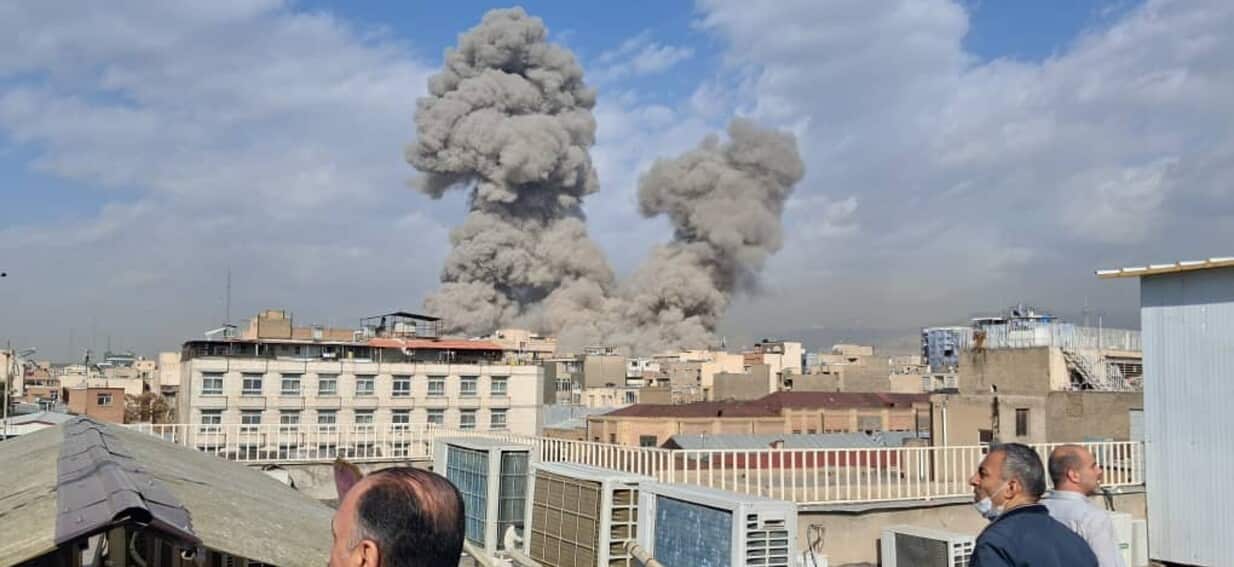
The biggest shock came from Truth Social, where U.S. President Donald Trump confirmed that Iran’s Supreme Leader, Ayatollah Ali Khamenei, is dead. After ruling for nearly four decades, the 86-year-old’s secure compound in Tehran was leveled by pinpoint bombing. Satellite imagery already shows the black smoke rising from what’s left of the residence. If you're wondering why this feels different, it's because the "regime change" quiet part is now being shouted through a megaphone.
The Strategy Behind the Sudden Escalation
For months, the CIA and Mossad have been tracking the top brass of the Iranian military. They didn't just wait for a provocation; they created an opening. This attack didn't happen in a vacuum. It came just as negotiators in Geneva were trying to hammer out a nuclear deal.
The U.S. and Israel clearly decided that diplomacy was a dead end. Instead of another decade of "strategic patience," they opted for a decapitation strike. Along with Khamenei, reports indicate that over 40 senior commanders were killed in the first 24 hours. We’re talking about the heads of the IRGC, the defense ministry, and the architects of Iran’s ballistic missile program.
The logic here is brutal. If you take out the people who give the orders, the retaliatory response becomes uncoordinated and messy. Israel's Defense Minister Israel Katz called it a "preventive attack" to remove an existential threat. Basically, they're betting that the Iranian public, weary from years of economic misery and a brutal crackdown on protesters last year, will see this as their chance to "take their country back," as Trump put it.
When Retaliation Hits the Neighbors
Iran didn't just roll over. Despite the chaos in Tehran, the "Axis of Resistance" is lashing out. But it's not just hitting Tel Aviv. The retaliation has turned into a regional wildfire, pulling in countries that tried their best to stay neutral.
- Tel Aviv and Beit Shemesh: Multiple missile impacts have been reported. In Tel Aviv, a building partially collapsed, and in Beit Shemesh, at least eight people died after a direct hit.
- The Gulf States: This is where things get really ugly. Iran’s Revolutionary Guard targeted U.S. bases in Qatar, Kuwait, Bahrain, and the UAE.
- Dubai and Abu Dhabi: Luxury hotels like the Burj Al Arab caught fire, and airports in both cities were shuttered after drone and missile strikes.
- Bahrain: A drone hit a high-rise building in Manama, and the U.S. Navy’s 5th Fleet headquarters was a confirmed target.
This isn't just a war between three countries anymore. It's a total shutdown of Middle Eastern transit and energy corridors. The UAE has already recalled its ambassador from Tehran. The message from the Gulf is clear: "Don't bring your war to our doorstep." But that's exactly what's happening.
The Human Cost and the "Minab School" Tragedy
We can talk about "surgical strikes" all day, but the reality is never clean. In the southern city of Minab, state media and Reuters have verified a horrific strike on a girls' primary school. At least 150 people were killed, mostly children.
The Pentagon says they're "looking into it," noting that the school was adjacent to an IRGC facility. Honestly, it doesn't matter much to the families on the ground whether the target was a missile silo or a classroom. These are the kinds of events that can either break a population’s spirit or radicalize them for another twenty years.
In Tehran, the scenes are reminiscent of the "War of the Cities" in the 1980s. People are fleeing the capital, clogging roads as they try to reach the countryside. There’s a massive exodus happening because they know the second and third waves of bombing are coming.
Can the Regime Survive Without Khamenei?
This is the billion-dollar question. The Islamic Republic is a rigid, ideological system. It's not just about one man, but Khamenei was the glue. He had no designated successor. Now, you have a power vacuum in the middle of a war.
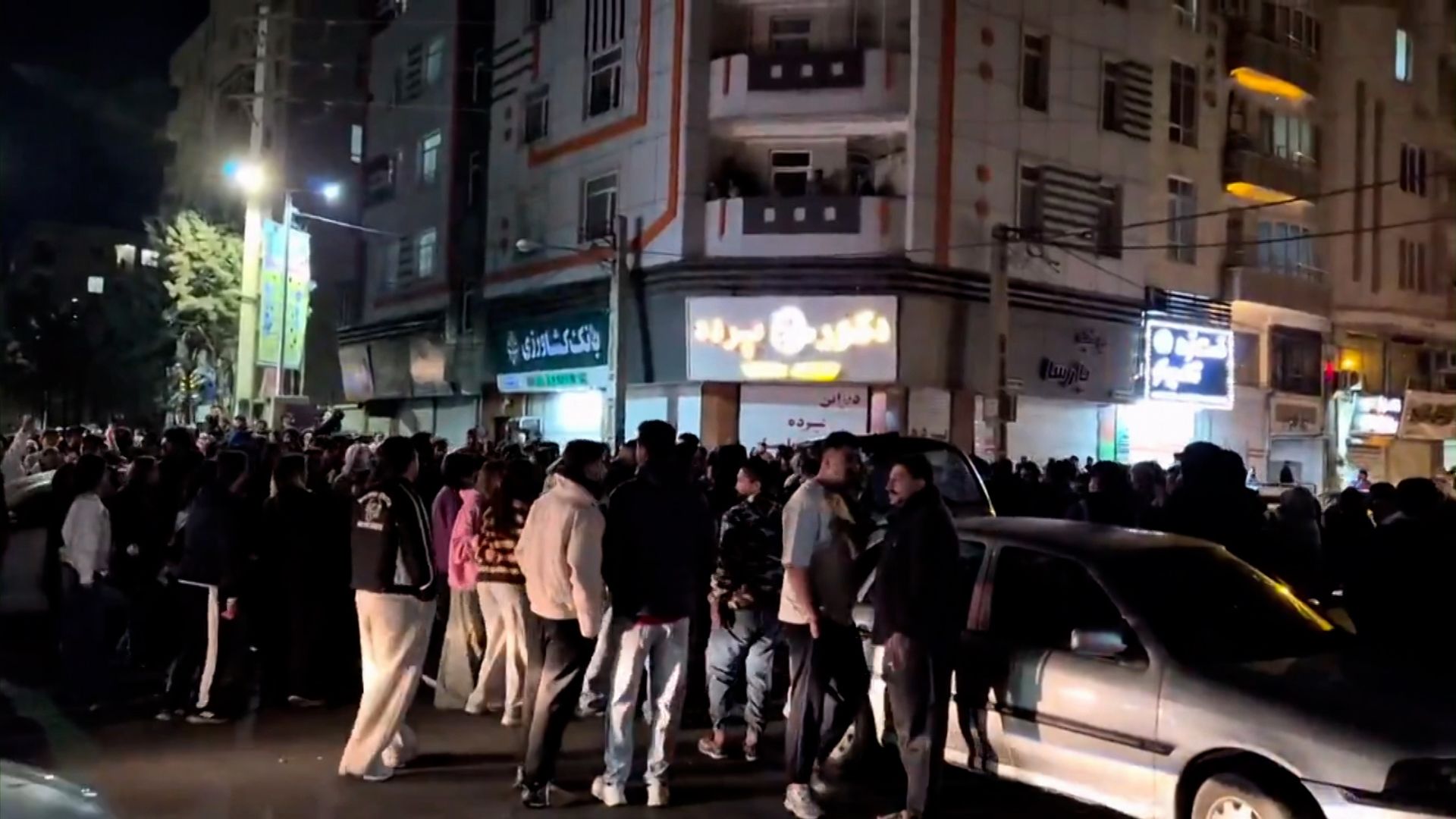
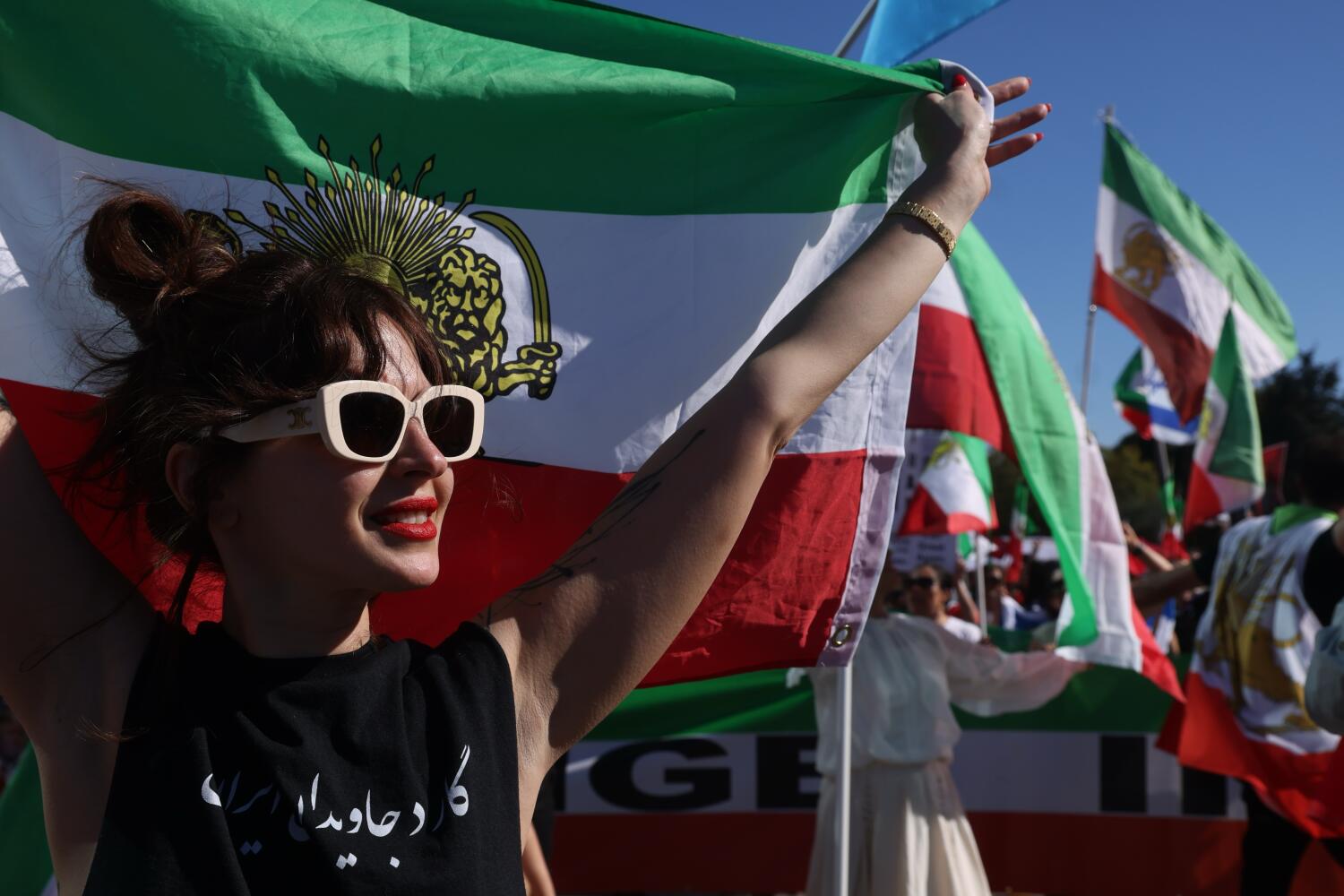
Some Iranians are reportedly celebrating in the streets of the diaspora—Paris, Berlin, Los Angeles—waving pre-revolutionary flags. But inside Iran, it's a mix of grief, terror, and confusion. Thousands gathered in Tehran’s Enghelab Square to mourn, wailing and calling for revenge.
The U.S. is counting on the "worn-down security apparatus" to fail. If the guys with the guns (the Basij and IRGC) don't get paid or lose their chain of command, the government collapses. But if they feel they have nothing left to lose, they might double down on the internal repression.
What to Watch in the Next 48 Hours
The next two days will tell us if this is a short, sharp shock or the start of a decade-long quagmire. Here is what you should be monitoring:
- The Strait of Hormuz: If Iran successfully blocks this, global oil prices will skyrocket. It’s their last big "economic nuke."
- The Assembly of Experts: Look for any news on who they might try to name as a "temporary" leader. If they can’t agree, the military might just take over completely.
- U.S. Domestic Reaction: Prominent Democrats are already calling this an "illegal aggression," while Republicans are cheering it as a "noble mission." This will be a massive flashpoint in U.S. politics.
- Hezbollah's Move: Naim Qassem has vowed to "confront the aggression," but will they launch a full-scale ground invasion into Northern Israel? That would change the game entirely.
If you’re traveling anywhere near the Middle East or have investments tied to energy markets, it's time to hedge your bets. This isn't a headline that's going away by next week. We’re watching the map being redrawn in real-time.
You can stay updated by following the live feeds from the UN Security Council emergency sessions, as the diplomatic "regrets" from Antonio Guterres aren't likely to stop the missiles from flying tonight.