The map of the Middle East is being rewritten in real-time, and it's happening through the sights of Israeli and American drones. If you've been following the news over the last 24 hours, you've seen the headlines about Ali Larijani and Gholamreza Soleimani. This isn't just another "escalation." It's a systematic dismantling of the Iranian leadership structure that has held power since 1979.
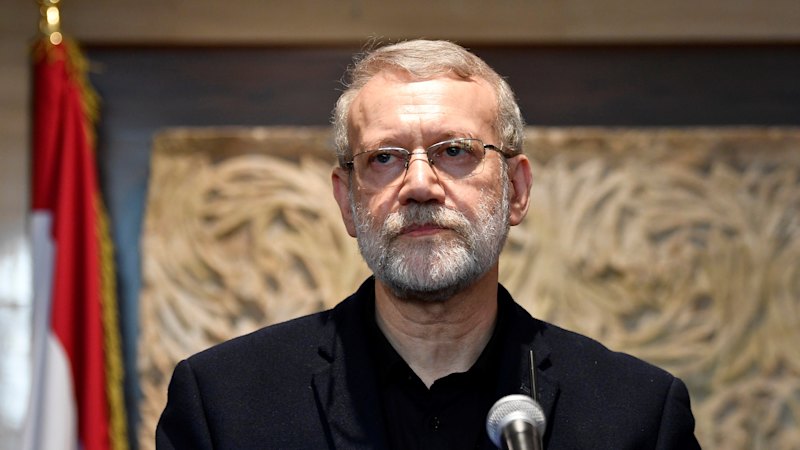
Israeli strikes overnight in Tehran confirmed the deaths of Ali Larijani, the Secretary of the Supreme National Security Council, and Gholamreza Soleimani, the head of the Basij paramilitary force. While the world watches the smoke rise over Tehran, Donald Trump is busy turning the heat up on his own allies, specifically calling out Australia and NATO for their lack of "skin in the game."
Why the Larijani and Soleimani Deaths Change Everything
Most people don't realize how deep these cuts go. Ali Larijani wasn't just a bureaucrat. He was the de facto leader of the country after the Supreme Leader, Ayatollah Ali Khamenei, was killed on the first day of this war back in February. Larijani was a pragmatist, the guy who knew how to talk to the West but remained fiercely loyal to the Islamic Republic's survival.
By taking him out, Israel has cut the "brain" of the current resistance. Without Larijani, the regime is essentially a headless horseman. There's no one left with the political gravity to hold the warring factions of the Revolutionary Guard (IRGC) together.
Then you have Gholamreza Soleimani. To be clear: he's not related to Qassem Soleimani, the general killed in 2020. But his role was arguably more vital for the regime's internal survival. He led the Basij, the plain-clothes militia that does the dirty work of crushing domestic protests. Israel didn't just hit a military target; they hit the man responsible for keeping the Iranian public in check.
The Intelligence Gap is Massive
The most shocking part? Israel hit Larijani in a "safe house" apartment in the heart of Tehran. This tells us two things:
- Mossad has agents everywhere. They knew exactly which window to fly a missile through in a city of 9 million people.
- Iranian security is non-existent. If the "effective leader" of the country isn't safe in a high-security hideout, nobody is.
Trump Australia and the Loyalty Test
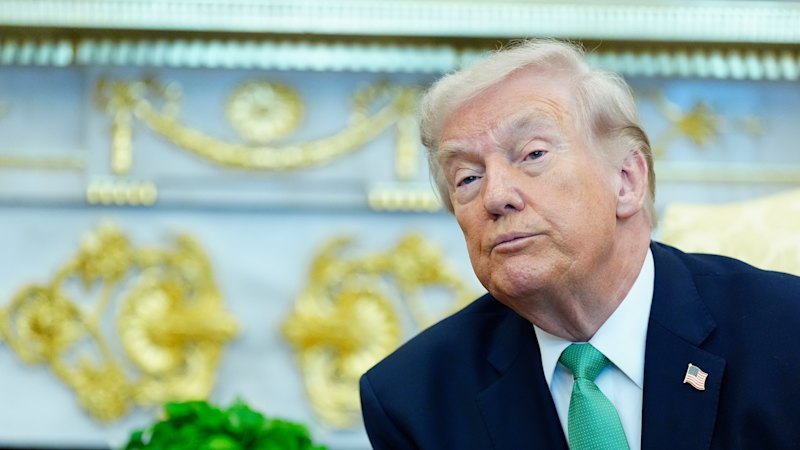
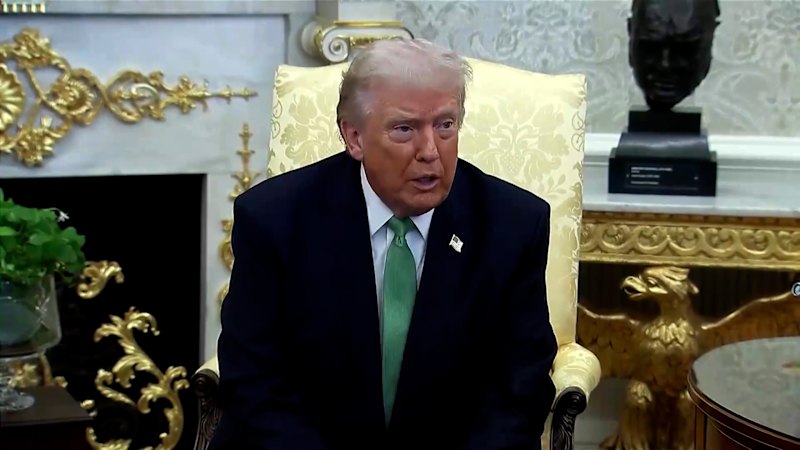
While the missiles fly, the diplomacy is getting ugly. Donald Trump has shifted from requesting help to outright mocking his closest allies. In a series of statements that sound more like a breakup text than a diplomatic cable, he's made it clear that he's keeping score.
Australia has been particularly vocal about its limits. Deputy Prime Minister Richard Marles and Treasurer Jim Chalmers have basically said, "We’re with you in spirit, but our ships are staying home." Australia is focused on its own region and doesn't want to get sucked into a maritime war in the Strait of Hormuz.
Trump isn't having it. He’s explicitly stated that the US doesn't "need" Australia, Japan, or NATO anymore because the military success has been so "great." It’s classic Trump bravado, but it carries a real threat: if you aren't helping us reopen the oil routes, don't expect us to be there when you have a problem.
The Strait of Hormuz Bottleneck
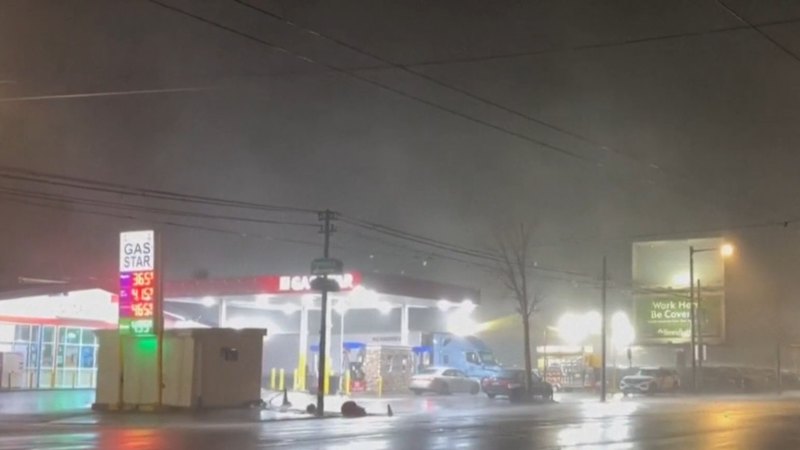
Why does this matter to you? Look at the price of gas. Iran still has a "stranglehold" on the Strait of Hormuz. One-fifth of the world’s oil passes through that tiny stretch of water. Crude is sitting around $100 a barrel and showing no signs of dropping. Trump wants a "coalition of the willing" to force the strait open, but Europe and Australia are terrified that joining in will turn their own cities into targets for Iranian cyberattacks or proxy strikes.
What This Means for the Iranian Public
Netanyahu recently said the goal is to give the Iranian people "the opportunity" to remove the regime. It sounds good on paper, but the reality is messier. Right now, most Iranians are just trying not to die.
There’s a huge "Festival of Fire" (Chaharshanbe Souri) coming up, and the regime is terrified it’ll turn into a mass riot. They’re sending threatening texts to citizens, telling them to stay inside. With the Basij commander dead, the guys usually responsible for stopping riots are currently disorganized and leaderless.
We’re seeing a paradox: the regime is weaker than it’s ever been, but the people are too busy sheltering from airstrikes to start a revolution.
The Immediate Risks You Should Watch
Don't expect Iran to just fold because a few leaders died. They’ve already responded with missile strikes near Tel Aviv and have been hitting oil infrastructure in the Gulf.
- Cyber Warfare: Expect major disruptions. If Iran can't win on the battlefield, they'll go after banking systems or power grids in the West.
- Proxy Retaliation: Hezbollah is already deeply involved in Lebanon, but look for "sleeper cells" or smaller groups to target US interests in Iraq and Syria.
- The Power Vacuum: With Larijani gone, the IRGC hardliners might take total control. These are the guys who think Larijani was "too soft." If they take the wheel, expect things to get much more violent.
The old guard is dead. The question now is whether the new guard is even more dangerous. Keep an eye on the Strait of Hormuz—the price you pay at the pump is the most direct indicator of how this war is going.
If you're looking for a silver lining, there isn't one today. The region is in a tailspin, and the "allies" are more divided than they've been in decades.
Next Step: Monitor the official Chaharshanbe Souri reports coming out of Tehran tonight. If the streets stay empty, the regime still has control. If they fill up, we’re looking at a total collapse.