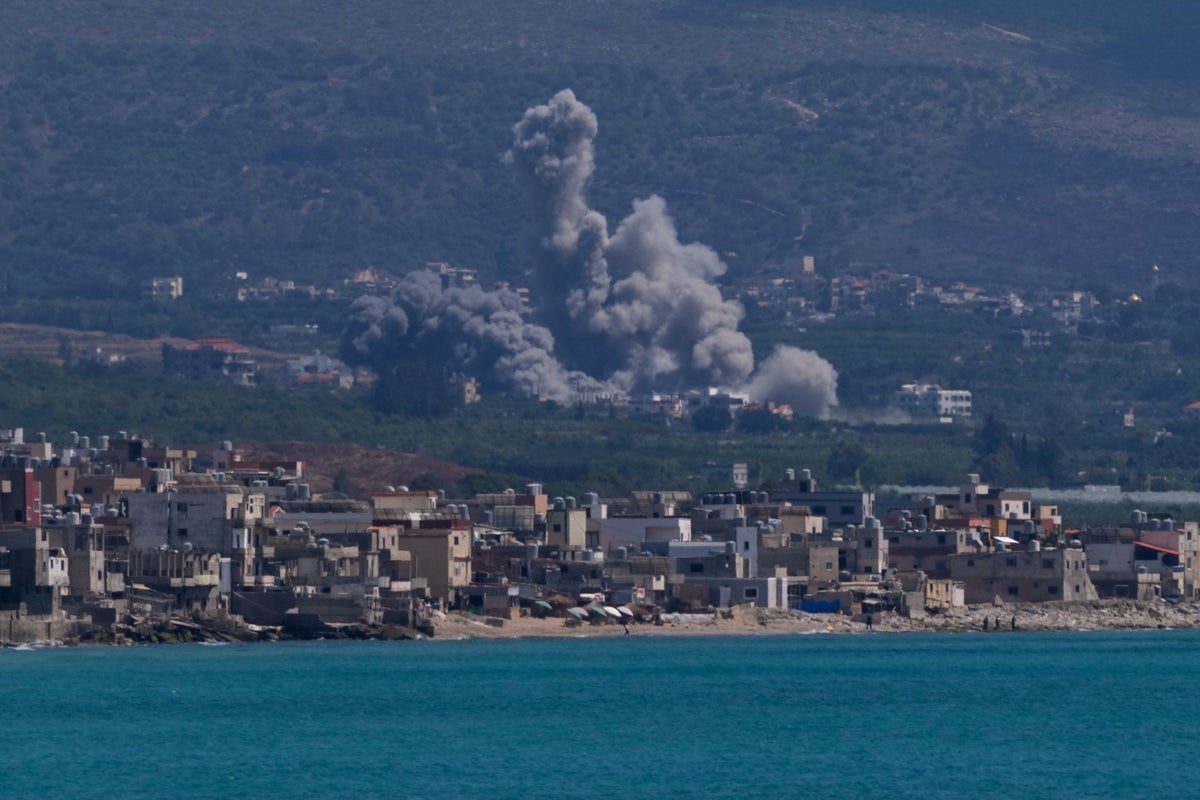
Don't believe the optimistic spin coming out of Washington or the furious denials from state media in Tehran. The tenuous ceasefire established in April is actively falling apart. While President Donald Trump insists that indirect peace talks are continuing at a "rapid pace," the reality on the ground tells a much bloodier story. We are witnessing a dangerous cycle of fresh military strikes, public posturing, and total diplomatic misalignment that threatens to drag the Middle East right back into full-scale war.
If you're trying to make sense of the conflicting headlines, you aren't alone. One hour the White House claims a deal is close, and the next hour U.S. Central Command is ordering airstrikes on Iranian drone infrastructure. To understand why these peace talks are stalling, you have to look past the rhetoric and focus on the deep-seated issues both sides refuse to compromise on.
The Illusion of a Rapid Pace Deal
Trump took to Truth Social to dismiss reports that negotiations had completely broken down, blasting them as "fake news." He claimed conversations have been going on continuously. Yet, just hours before his public assurances, an Iranian news outlet linked to the Islamic Revolutionary Guard Corps (IRGC) explicitly stated that Tehran was suspending the exchange of texts through mediators.
This isn't just a minor communication gap. It's a fundamental divergence in strategy. Look at the mixed messaging coming from the highest levels of the American government:
- The Presidential Bluster: Trump stated in a CNBC interview that he "couldn't care less" if negotiations collapsed, calling the process "very boring." Shortly after, he reversed tone online to claim rapid progress.
- The Diplomatic Reality: Secretary of State Marco Rubio testified before Congress that Iran had agreed to discuss aspects of its nuclear program that were previously completely off the table.
- The Iranian Denial: Iranian Foreign Ministry spokesman Esmaeil Baghaei flatly contradicted Rubio, stating that absolutely no negotiations have occurred regarding the details of the nuclear issue.
When the two main entities in a conflict can't even agree on whether they are talking about nuclear weapons, you don't have a peace process. You have a public relations campaign hiding a military stalemate.
Fresh Strikes Explode the Ceasefire
The true metric of peace isn't what politicians say in Washington or Islamabad. It's what happens in the Persian Gulf and the skies over the Middle East. The reality is that both nations are trading fresh military blows.
U.S. forces recently launched targeted strikes against an active Iranian drone operation near the vital Strait of Hormuz, hitting a ground control station in the port city of Bandar Abbas just as it prepared to launch attack drones. Tehran didn't hesitate to retaliate, launching a ballistic missile toward a major U.S. airbase in Kuwait, which required immediate interception by regional air defenses.
U.S. Strike (Bandar Abbas Drone Hub) ──> Iranian Retaliation (Missile toward Kuwait Base)
These aren't accidental skirmishes. They are calculated, high-stakes military operations occurring right under the nose of an indefinite ceasefire. The U.S. calls these actions defensive measures to maintain the truce, but to the IRGC, they represent clear violations that justify opening "other fronts" in the war.
The Real Stumbling Blocks Nobody Wants to Concede
What most people get wrong about this conflict is assuming that a deal is just a matter of signing a piece of paper. The structural disagreements are massive. The Islamabad talks stalled because the core demands of each nation are completely incompatible.
The Strait of Hormuz Dilemma
Iran wants a framework where it shares management of commercial shipping traffic through the Strait of Hormuz with Oman, alongside a total lifting of the U.S. naval blockade on its ports. Trump's response was characteristically blunt. He dismissed any notion of shared Iranian control, declaring the strait international waters and threatening to "blow up" any regional actors who don't behave. The U.S. Treasury Department backed this up by slapping fresh sanctions on the Persian Gulf Strait Authority.
The Nuclear Red Line
The White House maintains a strict red line: Iran cannot develop nuclear weapons. While the U.S. demands total, verifiable dismantlemet of the Iranian nuclear program before granting permanent sanctions relief, the Iranian parliament’s national security committee insists that domestic uranium enrichment is non-negotiable.
The Lebanon Flank
You can't separate the U.S.-Iran war from the ongoing violence between Israel and Hezbollah in Lebanon. Iran demands that any permanent ceasefire must fully restrain Israeli operations in southern Lebanon. On the flip side, Israeli Prime Minister Benjamin Netanyahu has made it clear that his military will continue to operate as planned, completely ignoring Trump's premature public declarations that "all shooting will stop."
What Happens Now
Expect the volatility to get worse before it gets better. If you are tracking this situation for its impact on global energy markets or international security, ignore the daily political theater and watch these specific pressure points instead:
- Shipping Manifests in the Persian Gulf: Watch whether commercial vessels attempt to navigate the Strait of Hormuz under unilateral U.S. protection, which will almost certainly trigger more IRGC drone attacks.
- Sanctions Enforcements: Keep tabs on the U.S. Treasury’s next moves. Continued targeting of Iranian energy infrastructure means the diplomatic track is effectively dead.
- The Status of the Indefinite Ceasefire: Trump extended the April truce indefinitely, but with senior Iranian military commanders openly calling a resumption of full-scale war "inevitable," that declaration is losing its meaning by the hour.
The diplomatic window is slamming shut. Tehran has been operating under its current revolutionary framework for 47 years, and the current administration in Washington expects total capitulation. Without genuine compromise on maritime security and nuclear development, the fresh strikes we are seeing today are simply a preview of the next major escalation. Keep your eyes on the military movements in the Gulf, because that's where the real decisions are being made.